 Chinese (Traditional)
 Chinese (Simplified)
 English



IB English A: Literature HL tutor
TUTORZONE SUBJECT GUIDE · IB
IBDP English A: Literature HL is one of the most intellectually demanding courses in the International Baccalaureate Diploma Programme. Here we break down its objectives, course content, assessment — and why it suits passionate literature students.
Direct Answer:What is IB English A: Literature HL?
IB English A: Literature HL is an intellectually demanding IBDP course focused on literature, known for its rigorous objectives, content, and asses。
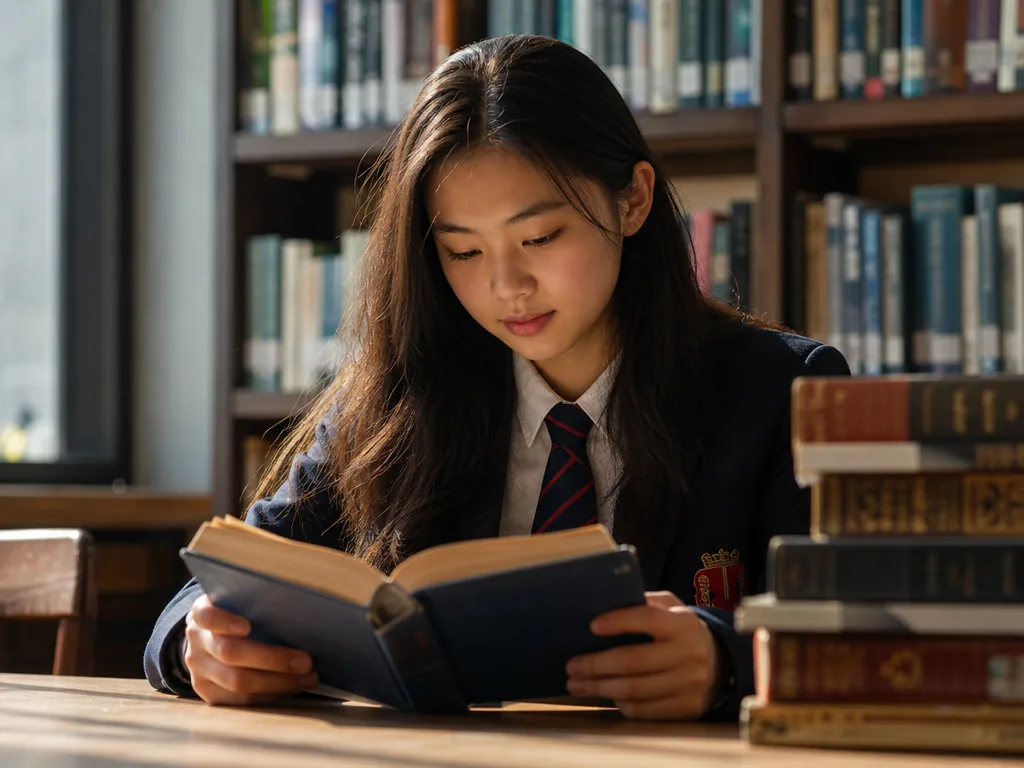
What Are the Objectives of IB English A: Literature HL?
The IB English Literature HL course equips students with advanced tools for understanding and interpreting literature. Key learning outcomes include:
Critical Literary Analysis
Develop close reading skills to unpack a text’s language, structure, and deeper meanings.
Global Literary Perspective
Explore works from different cultures, historical periods, and literary traditions — from Shakespeare to postcolonial authors.
Independent Research and Writing
Learn to formulate original arguments and write a high-level academic essay (the HL Essay), a key element of IB assessment.
These objectives aim to foster not only textual comprehension but also cross-cultural understanding and academic independence.
Course Content: What Do HL Students Study?
Students enrolled in English A: Literature HL study 13 literary works, compared to 10 in the Standard Level (SL) course. The curriculum is structured to ensure both variety and depth, and includes:
- Genres Covered — Poetry, drama, prose fiction, and literary non-fiction.
- Diverse Voices — Texts come from a range of cultures and time periods, including at least one translated work originally written in a language other than English.
- Author Studies — Deep dive into the works of 2–3 selected authors to analyze literary style and thematic development across multiple texts.
These works allow students to explore literature beyond surface-level understanding, with an emphasis on critical interpretation.
How Is the HL Course Assessed?
The assessment for IB English Literature HL is split between external examinations (70%) and internal assessment (30%). Here’s how each component works:
External Examinations
- Paper 1 (20%) — A timed literary analysis of an unseen text — either prose or poetry. HL students are expected to write around 1,000 words.
- Paper 2 (25%) — A comparative essay based on at least two studied works, focusing on literary techniques and themes. HL students typically write 1,500 words.
Internal Assessment
- HL Essay (20%) — A 1,200–1,500 word academic essay on a topic of the student’s choice, based on one literary work. It showcases independent research and critical thinking.
- Individual Oral (15%) — A 15-minute oral presentation comparing a studied translated work and another self-selected text, focusing on a global issue such as identity or power.
Together, these assessments test not only a student’s knowledge but also their ability to express complex ideas coherently.
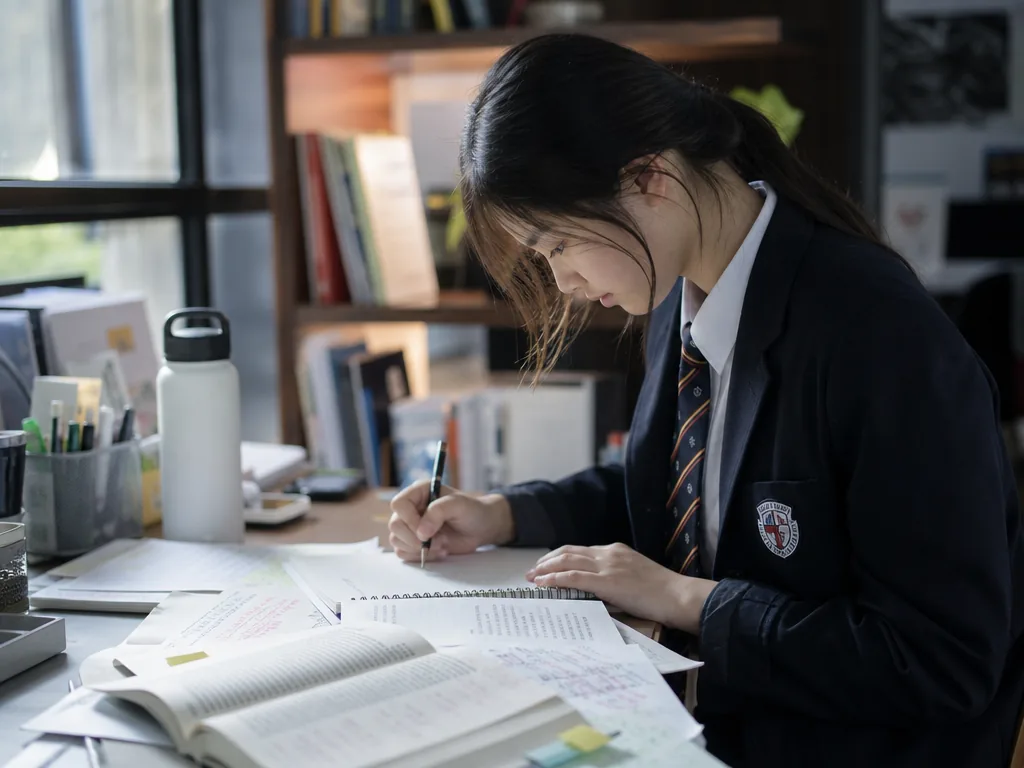
What Makes HL More Challenging Than SL?
IB English A: Literature HL comes with higher academic expectations. HL students are assessed on deeper conceptual understanding and broader literary knowledge, with greater emphasis on:
- Advanced Literary Theories — Application of critical perspectives such as feminism, Marxism, post-colonialism, or psychoanalytic theory.
- Intertextual and Global Connections — Linking literature to wider social, historical, or political contexts.
- Technical Analysis — Going beyond plot summary to explore narrative structure, symbolism, metaphor, and stylistic features in detail.
Who Should Choose English Literature HL?
English A: Literature HL is best suited for students who:
- Are passionate readers and enjoy deep literary analysis.
- Have strong abstract thinking skills and enjoy interpreting symbolism, theme, and authorial intent.
- Are capable of independent learning and disciplined academic writing.
This course is especially beneficial for students aiming to study English Literature, Law, History, Philosophy, or Liberal Arts at university level.
Final Thoughts
IBDP English A: Literature HL offers a rich, challenging curriculum that goes far beyond reading books and writing essays. It fosters critical literacy, cross-cultural understanding, and academic writing skills that prepare students for success in university and beyond.
Frequently Asked Questions (FAQ)
Q: Is English A: Literature HL much harder than SL?
Yes. HL students study 13 literary works (compared to 10 at SL) and are assessed on deeper conceptual understanding, advanced literary theories, and detailed technical analysis of style and structure.
Q: What is the difference between the HL Essay and Paper 2?
The HL Essay (20%) is a 1,200–1,500 word independent academic essay on one self-chosen literary work. Paper 2 (25%) is a timed comparative essay on at least two studied works, focused on literary techniques and themes.
Q: What does the Individual Oral involve?
It is a 15-minute oral presentation (15%) comparing a studied translated work and another self-selected text through a global issue such as identity or power.
Q: Which university subjects does Literature HL support?
It is especially useful for English Literature, Law, History, Philosophy, and Liberal Arts, as well as other humanities degrees that value critical analysis and academic writing.
Further Resources & Next Steps
- Official Resources — Visit the International Baccalaureate Organization website for the latest syllabus, prescribed reading lists, and assessment guidance.
- Further Reading — Read widely across poetry, drama, prose fiction, and literary non-fiction to build the close-reading and analytical skills the course rewards.
- Parent Tips — Encourage regular, varied reading and discussion at home; strong, consistent reading habits are the best preparation for Literature HL.
Note: The information above is for reference only. Please consult professional education institutions for details.
This article was initially drafted and organised with AI. Editor / Professor Chan Kwok-wai; Managing Editor / Kong Yee-leung
Act Now: Find a Tutor / Register as a Tutor
For parents & students: looking for a home or online tutor for this subject? Click the button below to post a free tuition case (subject, level and preferred time) — TutorZone will match you with suitable tutors:
For tutors: do you teach this subject? Click the button below to register for free and receive more suitable cases — you pay only when a match is made: