 中文(繁體)
 中文(簡體)
 English



A Complete Guide to A-level Art & Design: Course Structure, Assessment, and Career Pathways
TUTORZONE SUBJECT GUIDE · A-LEVELS
A complete guide to A-level Art & Design — what the course covers, how it is structured and assessed, and the creative careers and further study it opens up, from fine art and graphic design to fashion, photography, and architecture.
Direct Answer:What is covered in A-level Art & Design?
A-level Art & Design covers hands-on technique and creative practice, with pathways in fine art, graphic design, fashion, photography, and architec。
What Is A-level Art & Design?
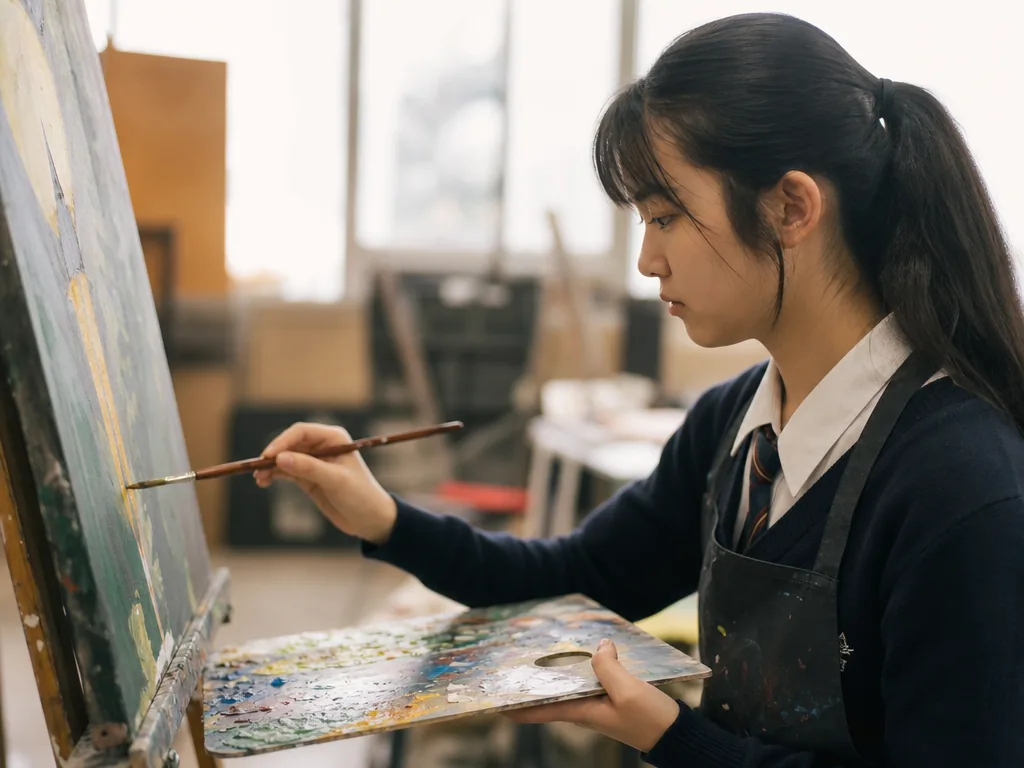
A-level Art & Design is a dynamic and comprehensive course designed for students with a passion for visual creativity. It provides a deep exploration of artistic theory, practical techniques, and the historical and cultural context of art and design. This subject encourages personal expression and innovation, while also building technical skills across a range of media such as painting, photography, sculpture, graphic design, and fashion.
Whether you’re aiming to pursue a creative career or simply want to develop your artistic talents, A-level Art & Design offers a rich and rewarding educational experience.
A-level Art & Design helps students develop practical art-making skills while also fostering an understanding of art history, contemporary trends, and design theory. It’s not just about creating beautiful visuals — it’s about learning to think critically, communicate visually, and present original ideas through artistic expression.
This course is ideal for students interested in fine art, graphic design, digital media, fashion, or architecture, and those considering further study or creative professions.
Course Structure: What Will You Learn?
A-level Art & Design typically includes two major components: Coursework and a Personal Investigation. Together, they support both technical development and creative growth.
Understanding Art and Design Theory
Students start by exploring the foundational principles of art and design:
- Art History——Study key movements such as the Renaissance, Impressionism, Modernism, and explore both Western and non-Western art traditions.
- Design Principles——Learn about composition, colour theory, proportion, balance, and how these apply to different design fields such as graphic, fashion, and product design.
- Contemporary Trends——Understand how modern technology and social themes influence today’s artists, including digital art, installation art, and conceptual design.
Art Media and Techniques
A key focus of the course is building hands-on experience with various materials and processes:
- Drawing & Painting——Use media such as watercolour, oil paint, and acrylics while learning skills like shading, perspective, and composition.
- Sculpture & 3D Design——Work with clay, wood, metal, or mixed media to create three-dimensional pieces.
- Photography & Film——Explore traditional and digital photography, visual storytelling, and editing techniques.
- Graphic & Digital Design——Use tools like Adobe Photoshop and Illustrator to create visual art and layouts.
- Fashion Design——Learn the basics of garment design, textile creation, and accessory design for those inclined toward the fashion industry.
Creative Development Process
Creativity is a journey, and this part of the course helps students document and reflect on that process:
- Idea Generation——Learn to draw inspiration from nature, culture, social issues, and everyday life.
- Sketchbooks & Planning——Record thoughts, sketches, experiments, and research in visual journals.
- Experimentation——Try new media, techniques, and styles to find your unique visual voice.
- Reflection——Evaluate your own work critically and take on feedback from peers and teachers.
Portfolio Development
The art portfolio is a critical part of the A-level course. It showcases your best work and tells the story of your creative journey:
- Creative Process——Include planning, drafts, experiments, and annotated notes.
- Final Outcomes——Present polished, completed works in various media.
- Analysis & Evaluation——Write reflective commentary explaining your artistic decisions, influences, and challenges.
Practical Art Practice
Students apply their knowledge through independent projects and real-world exhibitions:
- Personal Project——Choose a theme that resonates with you and develop a series of artworks around it.
- Presentation & Exhibition——Learn how to curate, mount, and present your work in a professional context.
Learning Objectives of A-level Art & Design
By the end of the course, students will be able to:
- Master a range of artistic techniques——across multiple media.
- Think creatively and critically——when developing visual ideas.
- Understand historical and contemporary art movements——to inform their own practice.
- Build a strong, university-ready portfolio——for art and design courses.
- Communicate personal ideas——through visual language.
How Is A-level Art & Design Assessed?
Assessment is divided into two main components:
Coursework (Personal Investigation) — Typically 60%
- Self-directed project——A practical portfolio with a written component (usually around 1000–3000 words).
- Full creative journey——Includes final artworks, research, experimentation, and critical analysis.
Externally Set Assignment (Timed Exam Project) — Typically 40%
- Exam board prompts——The exam board provides a list of themes or prompts.
- Timed practical exam——Students create preparatory work followed by a timed practical exam (usually 15 hours) to complete a final piece.
Career Prospects and Further Study
Studying A-level Art & Design opens doors to a wide range of creative fields. Whether you want to enter a fine arts programme or jump into the design industry, this course provides a solid foundation.
Possible Career Paths
- Artist——Painter, sculptor, installation artist, or mixed-media creator.
- Designer——Graphic designer, fashion designer, interior designer, product designer.
- Photographer——Art photography, commercial, fashion, or advertising photography.
- Art Teacher or Lecturer——Teach in schools, colleges, or creative workshops.
- Curator or Arts Manager——Manage exhibitions, galleries, or cultural events.
Further Education Options
- Bachelor’s degrees——in Fine Art, Design, Architecture, Illustration, or Animation.
- Diplomas——in Fashion, Graphic Design, or Multimedia Arts.
- Foundation Year——Art & Design Programmes (especially in the UK).

Final Thoughts
A-level Art & Design is a deeply rewarding course that nurtures creative thinking, technical skill, and artistic independence. It’s perfect for students who want to express themselves visually and pursue a future in art, design, or related creative industries.
With the right guidance, dedication, and imagination, students can build an impressive portfolio and carve out a unique path in the vibrant world of visual arts.
Frequently Asked Questions (FAQ)
Q: What is A-level Art & Design, and who is it for?
It is a creative subject that builds practical art-making skills alongside art history, design theory, and critical thinking. It is ideal for students interested in fine art, graphic design, digital media, fashion, or architecture, and for those considering further study or creative professions.
Q: How is A-level Art & Design assessed?
Assessment is split into two components: Coursework (Personal Investigation), typically worth 60%, combining a self-directed project, portfolio, and written commentary; and an Externally Set Assignment, typically 40%, involving preparatory work and a timed practical exam of around 15 hours.
Q: What media and techniques will I learn?
Students work across drawing and painting (watercolour, oil, and acrylics), sculpture and 3D design (clay, wood, metal, and mixed media), photography and film, graphic and digital design (Adobe Photoshop and Illustrator), and fashion design.
Q: What can I do after studying A-level Art & Design?
Graduates can become artists, graphic, fashion, interior, or product designers, photographers, art teachers or lecturers, and curators or arts managers — or continue to bachelor’s degrees in Fine Art, Design, Architecture, Illustration, or Animation, and foundation programmes.
Further Resources & Next Steps
- Official Resources——The Cambridge International AS & A Level Art & Design (9479) specification and your exam board’s published themes and past papers.
- Further Reading——Foundation Year Art & Design programme guides and university prospectuses for Fine Art, Design, Architecture, Illustration, and Animation.
- Parent Tips——Encourage a regular sketchbook and portfolio-building habit from the start of the course, and support visits to exhibitions and creative workshops.
Note: The information above is for reference only. Please consult professional education institutions for details.
This article was initially drafted and organised with AI. Editor / Professor Chan Kwok-wai; Managing Editor / Kong Yee-leung
Act Now: Find a Tutor / Register as a Tutor
For parents & students: looking for a home or online tutor for this subject? Click the button below to post a free tuition case (subject, level and preferred time) — TutorZone will match you with suitable tutors:
For tutors: do you teach this subject? Click the button below to register for free and receive more suitable cases — you pay only when a match is made: