 中文(繁體)
 中文(簡體)
 English



A-Level Media Studies: Course Overview, Structure, and Career Pathways
TUTORZONE SUBJECT GUIDE · A-LEVELS
A-level Media Studies is an engaging and multifaceted subject that explores how media works, how it influences society, and how media products are created. This guide covers the course structure, key learning objectives, assessment methods, and the career pathways it opens up — from film and television to advertising, journalism, and digital content creation.
Direct Answer:What is A-level Media Studies?
A-level Media Studies explores how media works and influences society, covering course structure, learning objectives, assessment, and career pathw。
What Is A-Level Media Studies?
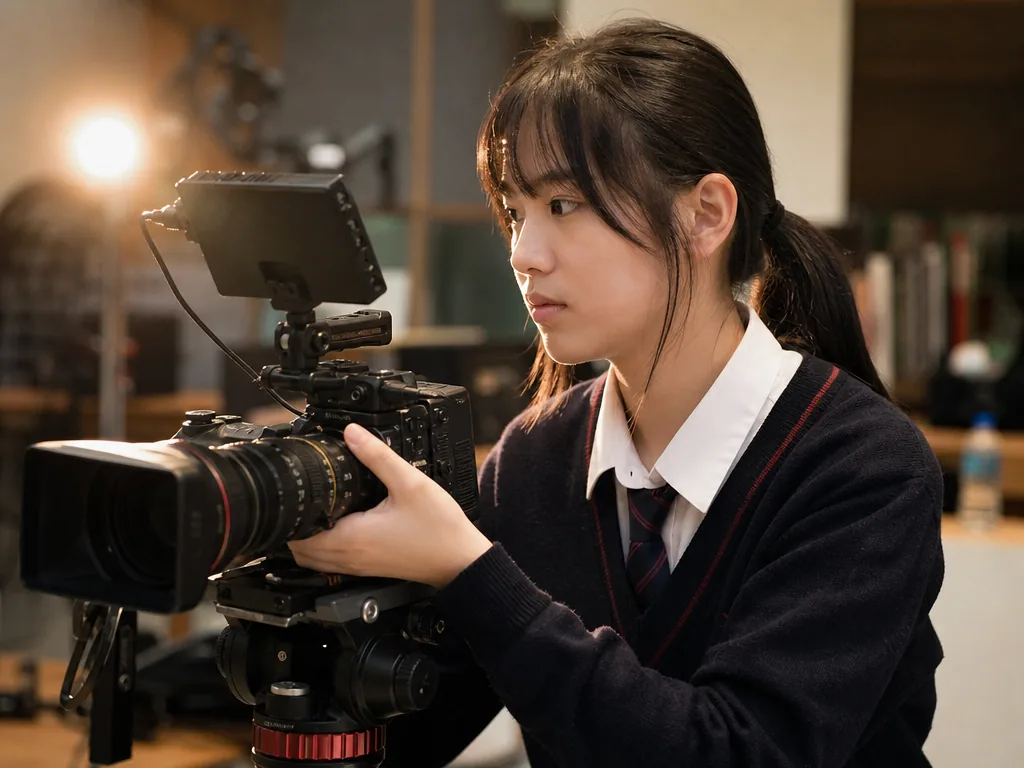
A-level Media Studies focuses on the critical analysis and creation of media content. Students learn how media messages are constructed using visual, audio, and textual elements, and they develop the ability to evaluate the role of media in shaping cultural and societal values.
Through this course, students gain insight into a variety of media formats — including film, television, news, advertising, social media, and digital platforms — and understand the cultural and commercial contexts in which these media are produced and consumed.
This subject is particularly suitable for students who are interested in pursuing careers in media, film, advertising, communications, public relations, or journalism.
A-Level Media Studies Course Structure
The A-level Media Studies curriculum is divided into several key components that balance theory with practical production work:
1. Media Language and Structure
Students learn how media communicates meaning through:
- Media Language: Understanding how words, images, sounds, and symbols work together to convey messages in different types of media.
- Media Forms and Conventions: Analyzing how different media formats — such as TV programs, films, advertisements, and websites — are structured to target specific audiences and achieve particular effects.
2. Media and Society
This section explores how media shapes and reflects society:
- Media and Culture: Examining how media representations influence cultural perceptions of gender, race, class, and sexuality.
- Media Effects Theories: Studying theoretical frameworks such as the Uses and Gratifications Theory, Representation Theory, and Media Violence Theory.
- Media and Power: Investigating how media influences public opinion, politics, and economic systems.
3. Media Industries and Production
Students delve into the commercial and creative sides of media production:
- Media Industry Structures: Learning about the business models behind film, TV, radio, news, and digital media.
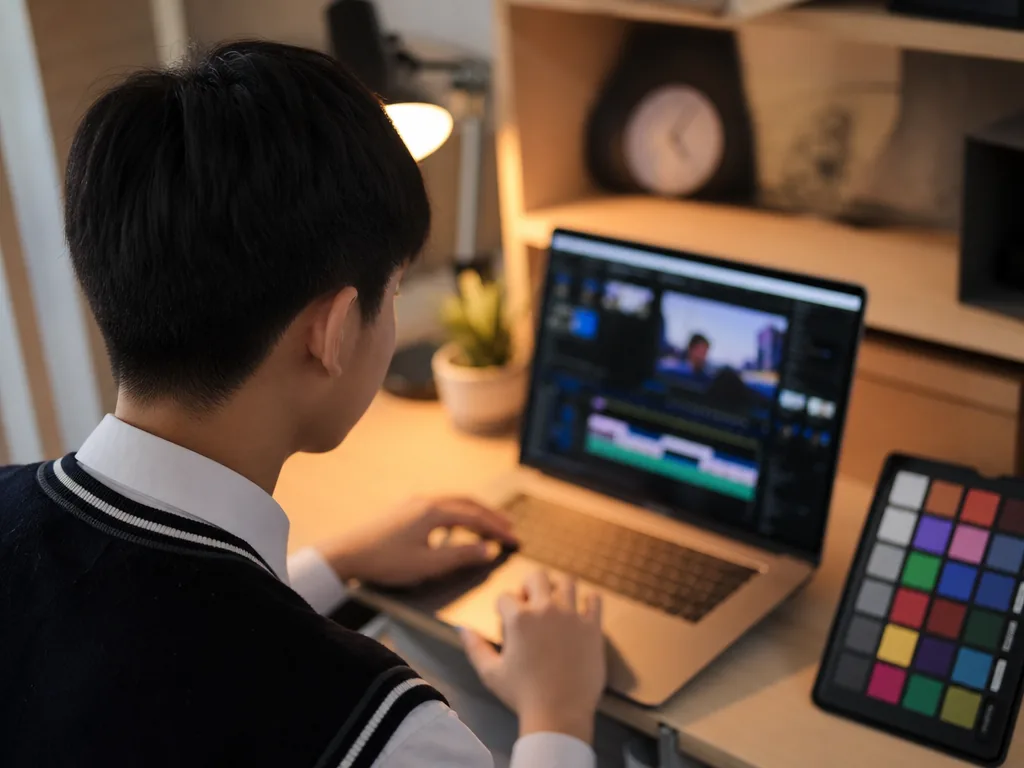
- Production Techniques: Gaining hands-on experience with filming, editing, sound design, and visual effects.
4. Media Analysis and Creation
This practical component allows students to apply what they have learned:
- Critical Analysis: Developing the ability to deconstruct and critique media texts across different genres and platforms.
- Creative Production: Creating original media products such as short films, advertisements, news segments, or digital content, incorporating both technical and storytelling skills.
Key Learning Objectives
By the end of the A-level Media Studies course, students will:
- Understand how media language and structures influence meaning and audience interpretation.
- Critically analyze the relationship between media and society.
- Gain insight into the operation of media industries and the production process.
- Develop practical media production skills, including video editing, sound mixing, and visual storytelling.
- Enhance their critical thinking, creative problem-solving, and communication abilities.
How Is A-Level Media Studies Assessed?
Assessment for A-level Media Studies typically includes:
1. Media Analysis Coursework
Students submit an in-depth written analysis of a selected media product (e.g., a film, advertisement, or TV show), focusing on its structure, message, representation, and impact on audiences.
2. Media Creation Project
Students produce an original media product — such as a short film, social media campaign, website, or news report — accompanied by documentation of their planning and production process.
3. External Examination
Students complete a written exam testing their knowledge of media theories, industry practices, media language, and case studies involving real-world media texts.
Career Pathways and Further Study
A-level Media Studies opens up a wide range of academic and professional opportunities. Students can pursue university degrees and careers in:
- Film and Television Production——Director, producer, screenwriter, cinematographer, or editor.
- Advertising and Marketing——Creative director, brand strategist, or digital marketer.
- Journalism and Broadcasting——Reporter, news anchor, or multimedia journalist.
- Public Relations and Communications——PR officer, media consultant, or social media manager.
- Digital Media and Content Creation——Web designer, YouTuber, influencer, or content strategist.
- Media Research and Analytics——Media analyst, data researcher, or audience insight specialist.
Graduates may also choose to continue their education by studying media, film studies, journalism, communication, or digital marketing at the university level.
Conclusion
A-level Media Studies is an excellent choice for students who are curious about the media landscape and passionate about storytelling, culture, and communication. The course combines academic analysis with hands-on production experience, helping students build a solid foundation for both university study and creative careers in the media industry.
Whether you dream of making films, crafting compelling advertisements, reporting the news, or managing digital campaigns, A-level Media Studies can be your first step toward a dynamic and rewarding career in media.
Frequently Asked Questions (FAQ)
Q: Do I need to be good at making videos to take A-level Media Studies?
No prior production experience is required. The course teaches practical skills such as filming, editing, and sound design from scratch, and it values critical analysis and written work just as much as hands-on production.
Q: What is the difference between Media Studies and Film Studies?
Film Studies focuses specifically on cinema — its history, genres, and auteurs — whereas Media Studies covers a broader range of formats including television, news, advertising, social media, and digital platforms, alongside the theories of how media shapes society.
Q: Is A-level Media Studies accepted by universities?
Yes. It is a recognised A-level that supports applications to degrees in media, communications, journalism, film, marketing, and related fields, and it develops transferable skills in analysis, research, and creative production.
Q: What careers can A-level Media Studies lead to?
It opens pathways into film and television production, advertising and marketing, journalism, public relations, digital content creation, and media research — with many graduates continuing to specialist university degrees first.
Further Resources & Next Steps
- Official Resources——Check the specification and sample assessment materials from your exam board (e.g., AQA, Pearson Edexcel, OCR, or Cambridge International) for the exact media texts and coursework requirements.
- Further Reading——Explore introductory media theory texts and the BBC Academy’s free production guides to build your understanding of media language, representation, and audience.
- Parent Tips——Encourage hands-on practice at home: watching and discussing adverts, news reports, and short films together builds the analytical habits that A-level Media Studies rewards.
Note: The information above is for reference only. Please consult professional education institutions for details.
This article was initially drafted and organised with AI. Editor / Professor Chan Kwok-wai; Managing Editor / Kong Yee-leung
Act Now: Find a Tutor / Register as a Tutor
For parents & students: looking for a home or online tutor for this subject? Click the button below to post a free tuition case (subject, level and preferred time) — TutorZone will match you with suitable tutors:
For tutors: do you teach this subject? Click the button below to register for free and receive more suitable cases — you pay only when a match is made: