
 中文(繁體)
 中文(簡體)
 English



A-Level Music: A Comprehensive Guide to the Curriculum, Skills, and Career Pathways
TUTORZONE SUBJECT GUIDE · A-LEVELS
A-Level Music is a well-rounded, dynamic subject for students who are passionate about performance, composition, theory, and analysis. This guide maps the full curriculum, how it is assessed, and the career pathways it opens — from solo recitals to the recording studio.
Direct Answer:What is A-Level Music?
A-Level Music is a well-rounded subject covering performance, composition, theory, and analysis, with assessment and career pathways from recitals 。
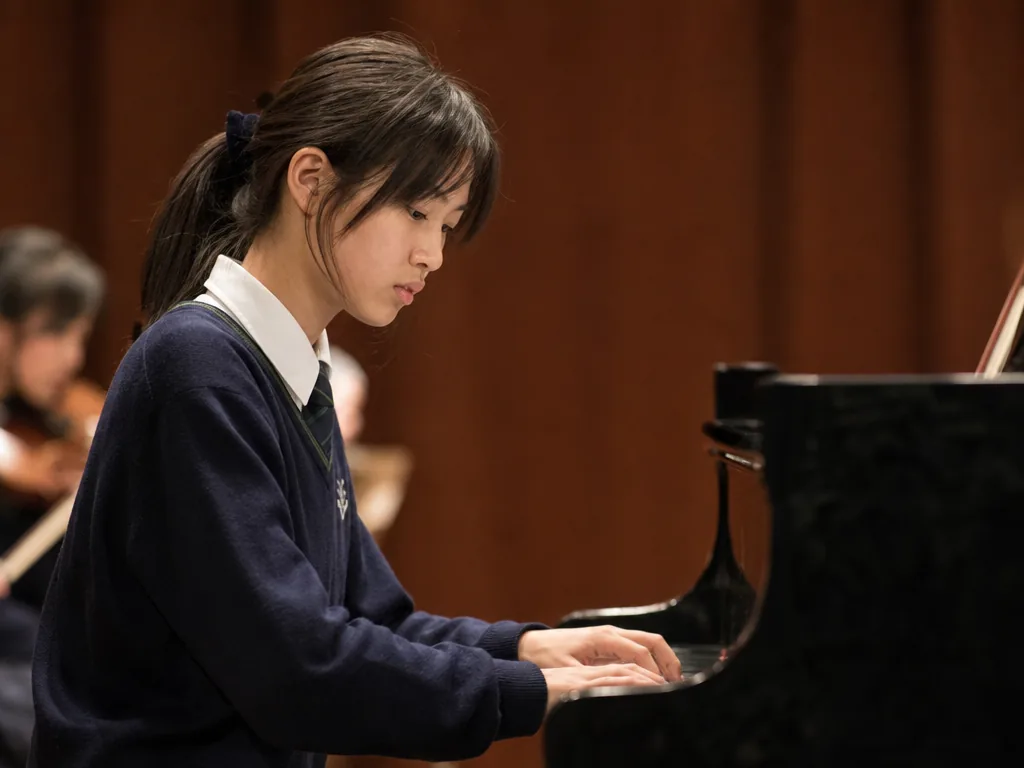
What Is Covered in the A-Level Music Curriculum?
A-Level Music is a well-rounded and dynamic subject designed for students who are passionate about music performance, composition, theory, and analysis. The course not only strengthens practical skills such as playing instruments and composing music, but also builds a strong foundation in music theory, structure, and history. It is ideal for students with a strong interest in music who are considering a career in the music industry or further studies in music at university or conservatory.
A-Level Music is typically divided into three main components:
- Performance——developing instrumental or vocal skills for live and recorded work.
- Composition——creating original music across a range of musical styles.
- Music Theory and Analysis——understanding how music works and why it sounds the way it does.
These three strands work together to develop students into well-rounded musicians with both creative and analytical skills.
Music Performance
The performance component helps students refine their instrumental or vocal skills, preparing them to interpret and perform a range of musical works.
- Technical Skills——students are expected to demonstrate a strong command of their instrument or voice, showcasing control, accuracy, and expressive nuance.
- Solo and Ensemble Performance——students can choose to perform solo pieces or participate in ensemble settings, such as chamber groups or bands, to showcase musical collaboration.
- Performance Preparation——with guidance from teachers, students learn how to select suitable repertoire and prepare effectively for formal assessments and live performances.
Music Composition
This section nurtures students’ creativity by teaching them to create original compositions across different musical styles.
- Compositional Techniques——students learn to use elements like harmony, melody, rhythm, texture, and structure to craft engaging music.
- Diverse Styles——students may compose classical, contemporary, or popular music, allowing them to explore and develop their unique musical voice.
- Music Technology——many programs introduce digital music production tools such as DAWs (Digital Audio Workstations), equipping students with modern composition and editing skills.

Music Theory and Analysis
This theoretical component allows students to gain a deeper understanding of how music works and why it sounds the way it does.
- Musical Structures——students study harmony, melody, counterpoint, rhythm, time signatures, and other key components of music construction.
- Musical Forms——common forms like sonata form, binary form, and rondo form are analyzed to understand their role in musical composition.
- Music History and Styles——students explore various historical periods—such as Baroque, Classical, Romantic, and Modern—learning how musical styles evolved and how different composers contributed to these changes.
Learning Objectives of A-Level Music
The goals of the A-Level Music course include:
Enhancing Performance Skills
Students improve their technique and learn to interpret musical pieces with stylistic awareness and emotional expression.
Developing Composition Techniques
Students gain the tools to compose original music, using both traditional and digital methods.
Deepening Theoretical Understanding
Students learn to critically analyze musical works and understand their structural, stylistic, and historical elements.
Fostering Creativity and Expression
The course encourages students to express themselves through music and explore their artistic identity.
How Is A-Level Music Assessed?
Assessment in A-Level Music is generally split into two main components:
1. Performance Assessment
Students perform one or more pieces either as a soloist or part of an ensemble. Performances are recorded and evaluated based on:
- Technical proficiency——command of the instrument or voice.
- Expressive interpretation——stylistic and emotional delivery.
- Overall musicality——the quality and coherence of the performance.
2. Composition and Analysis
Students compose original music pieces and submit them for assessment. They are also required to analyze given music excerpts in written form or as part of a listening exam. These assessments test:
- Creativity and structure in composition——how ideas are developed and organized.
- Understanding of musical techniques and forms——command of harmony, melody, and form.
- Analytical and listening skills——the ability to hear and explain musical detail.
3. External Exam and Coursework
- Coursework——includes recorded performances and original compositions.
- Written Exam——covers music theory, historical context, and analysis, sometimes with listening sections that require students to analyze music by ear.
Career Pathways and Further Study with A-Level Music
A-Level Music opens doors to a variety of music-related careers and further educational opportunities. Popular career options include:
- Professional Musician——solo performers, vocalists, or members of orchestras and bands.
- Composer——creating original scores for concerts, films, games, or advertisements.
- Music Teacher——teaching in schools, private institutions, or conservatories.
- Music Producer or Sound Engineer——working in recording studios on production, mixing, or mastering.
- Music Event Manager or Promoter——organizing concerts, festivals, and other music-related events.
Students can also pursue higher education in music, studying subjects such as music performance, composition, musicology, or sound engineering at universities or music colleges.
A-Level Music is a rigorous and enriching course that combines practical performance, creative composition, and in-depth music theory. It equips students with the skills needed for both professional musical careers and further academic study — and it not only refines musical talent but also nurtures creativity, critical thinking, and a lifelong appreciation for music.
Frequently Asked Questions (FAQ)
Q: Is A-Level Music only for students who want to become professional musicians?
No. While the course prepares students for music careers, it also builds transferable skills — creativity, critical thinking, analysis, and discipline — that are valued across many university subjects and professions.
Q: Do I need to play an instrument to take A-Level Music?
Generally yes. The performance component requires solo or ensemble work on an instrument or voice, so a working command of your instrument or voice is expected before starting the course.
Q: Is music technology covered in the course?
Many programmes introduce digital tools such as DAWs (Digital Audio Workstations) for composition and editing, equipping students with modern production skills alongside traditional techniques.
Q: How is A-Level Music assessed?
Assessment typically combines recorded solo or ensemble performances, original compositions submitted as coursework, and a written exam covering theory, historical context, and analysis — sometimes including listening sections.
Further Resources & Next Steps
- Official Resources——review the Cambridge International A-Level Music (9483) syllabus and specification for full details on components and grading.
- Further Reading——recommended texts on music theory, harmony, and history, alongside composition and music technology guides.
- Parent Tips——encourage regular practice and concert attendance to build technical confidence and a lifelong appreciation for music.
Note: The information above is for reference only. Please consult professional education institutions for details.
This article was initially drafted and organised with AI. Editor / Professor Chan Kwok-wai; Managing Editor / Kong Yee-leung
Act Now: Find a Tutor / Register as a Tutor
For parents & students: looking for a home or online tutor for this subject? Click the button below to post a free tuition case (subject, level and preferred time) — TutorZone will match you with suitable tutors:
For tutors: do you teach this subject? Click the button below to register for free and receive more suitable cases — you pay only when a match is made: