
 中文(繁體)
 中文(簡體)
 English



Drum: Complete Overview, History and Learning Guide
TUTORZONE SUBJECT GUIDE · PERCUSSION
The drum is one of the oldest percussion instruments in the world, with a history spanning thousands of years. This guide traces its origins, evolution and diversity, profiles the legendary drummers who defined it, and rounds up the classic works every learner should know.
Direct Answer:What is the drum?
The drum is one of the oldest percussion instruments in the world, with a history spanning thousands of years and a diverse evolution.
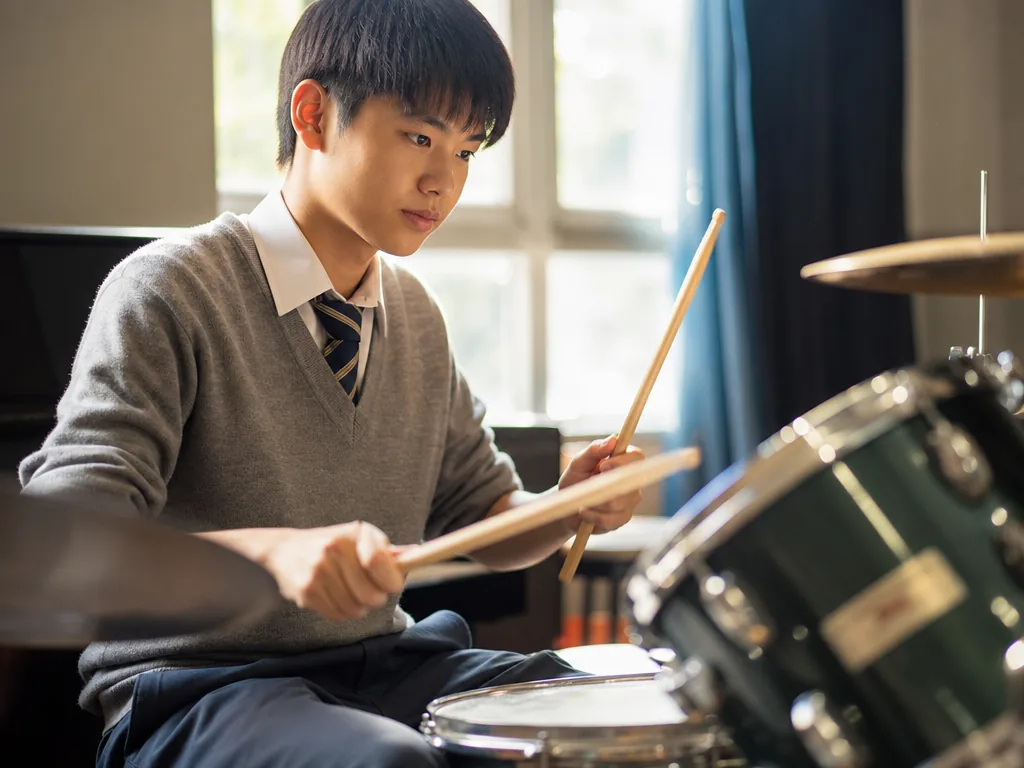
The Drum: The Oldest Percussion Instrument
The drum is one of the oldest percussion instruments in the world, with a history of thousands of years. Whether in African music, Asian traditional music or modern rock and jazz, the drum plays an indispensable role in music around the globe. As a rhythmic instrument, the drum not only provides the rhythmic foundation of the music but can also express strong emotion and energy.
From the ceremonial drums of 3000 BC to the modern drum kit, the drum has always been the heartbeat of music — carrying rhythm, emotion and energy across every culture on Earth.
Origins of the Drum
Percussion Instruments of Ancient Times
The earliest origins of the drum can be traced back to around 3000 BC, when drums were mostly made of animal skin and used as symbolic expressions in rituals, celebrations and warfare. The earliest drums probably came from Africa and the Middle East, and over time these drums gradually developed into the various drum instruments of today.
The Influence of Africa and the Middle East
Africa is one of the birthplaces of drum music, and many traditional percussion instruments such as the drum and the hand drum remain central to African music today. In the Middle East, drums also played an important role and influenced the musical development of Europe and Asia.
Development in Asia
In China, India and elsewhere, ancient drum culture also has deep roots and has become an important element of various traditional music and dance.
Evolution and Diversity of the Drum
The Drum in Western Music
With the development of Western music, especially the rise of the symphony, the drum gradually entered the modern orchestra and became an important instrument in the ensemble. With the rise of jazz and rock, drumming reached a new peak and began to incorporate more innovative playing techniques and sounds.
The Diversity of the Modern Drum
In the 20th century, the structure and materials of the modern drum underwent great innovation. Modern electronic drums, jazz drums, drum kits and other types of drum instruments have greatly expanded drumming technique and tone. Especially in rock, pop and modern music, the drum has become crucial.
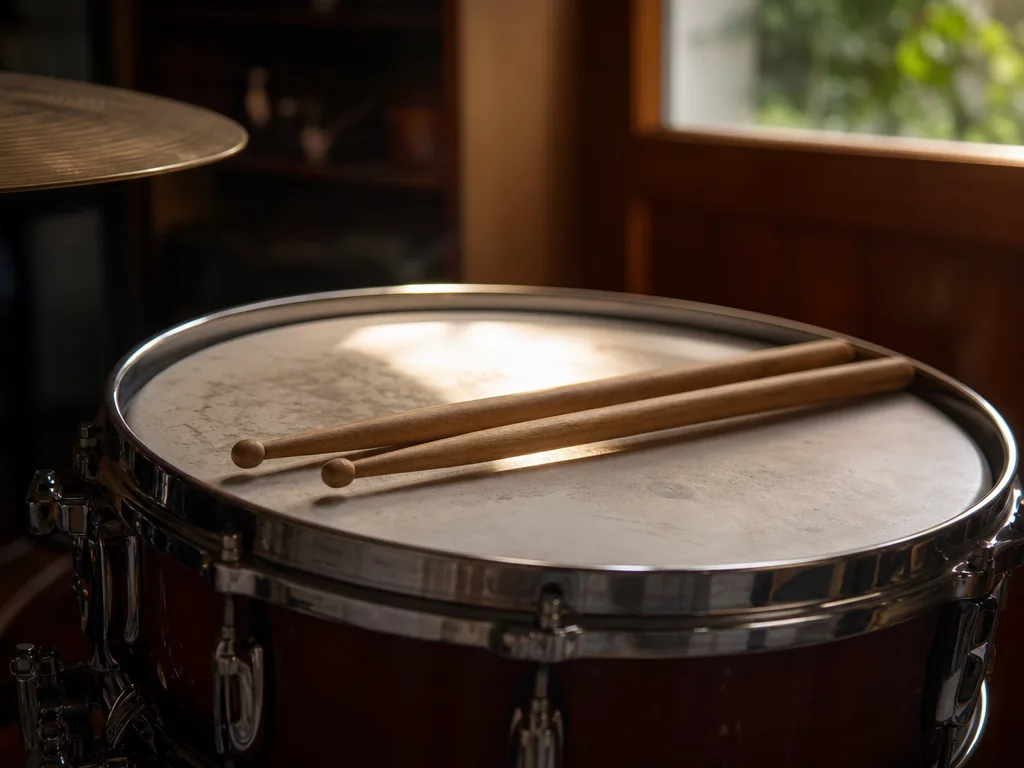
Notable Drummers and Their Representative Works
Many celebrated drummers have raised the expressiveness of the drum to a new level, not only through superb technique but also through innovative playing styles. Below are several highly influential drummers and their representative works.
John Bonham
Nationality: United Kingdom
Contribution: John Bonham was the drummer of Led Zeppelin and is regarded as one of the greatest drummers in the history of rock music. His playing style was passionate and technically outstanding, and he had a profound influence on the development of modern drumming. He was especially known for his powerful striking style.
Representative works:
- Stairway to Heaven——the drum part of this song is regarded as one of the most iconic drum performances in rock history, and Bonham’s playing added powerful dynamism to the song.
- Good Times Bad Times——the opening drum beat of this song is a classic; Bonham’s technique was highly innovative and brought revolutionary change to rock music.
Neil Peart
Nationality: Canada
Contribution: Neil Peart was the drummer of the band Rush and is regarded as one of the greatest drummers in modern rock. He was known for his highly technical drumming and highly creative kit work, and he made major innovations in drumming technique.
Representative works:
- Tom Sawyer——this song shows Peart’s technique and innovation; his drumming laid a solid rhythmic foundation for the song.
- YYZ——the drum section of this piece is full of complex rhythmic changes and is one of Peart’s representative works.
Dave Grohl
Nationality: United States
Contribution: Dave Grohl was the drummer of Nirvana and later became the frontman and guitarist of Foo Fighters. As a drummer, his playing style is full of energy and known for its explosive sense of rhythm. Grohl’s drumming filled Nirvana’s music with energy, making them a representative band of the 1990s.
Representative works:
- Smells Like Teen Spirit (Nirvana)——the drumming of this song is intense and full of impact, becoming a hallmark of 1990s rock music.
- Everlong (Foo Fighters)——this song shows Grohl’s talent in drumming, adding a strong sense of rhythm to the song.
Linda Peterman
Nationality: United States
Contribution: Linda Peterman is one of the pioneers of modern female drummers, with outstanding performances in both jazz and rock. Her drumming is delicate yet powerful, and through her breakthroughs in traditional drumming technique she opened up a new world for women in drumming.
Representative works:
- Jungle Jazz——this work shows Linda Peterman’s deep understanding of jazz and her innovative sense of rhythm, taking the expressiveness of drumming to the extreme.
- Rock on Rhythm——the drum part of this rock track is dynamic, showing her unique playing technique.
Recommended Classic Drum Works
| Composer/Musician | Work | Musical style | Characteristics |
|---|---|---|---|
| John Bonham | Stairway to Heaven | Rock | The drum beat blends perfectly with the musical structure |
| Neil Peart | Tom Sawyer | Rock | Complex and creative drum section, showing technique and energy |
| Dave Grohl | Smells Like Teen Spirit | Rock | Intense and powerful sense of rhythm |
| Linda Peterman | Jungle Jazz | Jazz | Innovative rhythm, blending jazz with a modern feel |
Frequently Asked Questions (FAQ)
Q: At what age can a child start learning the drums?
Most children can begin with simple rhythm games and a practice pad from around age 5 or 6, and many teachers recommend starting on a full drum kit between 7 and 10, once they have the coordination and reach for the pedals.
Q: Should a beginner choose an acoustic or an electronic drum kit?
Electronic kits are quieter and take up less space, which makes them popular for home practice, while acoustic kits give a more natural feel and tone. Many beginners start on an electronic or practice-pad setup and move to an acoustic kit later.
Q: How long does it take to learn to play the drums?
With regular practice, most students can hold a steady rock beat within a few months; reaching a confident, musical level usually takes several years of consistent, guided practice.
Q: What are the main types of drums?
The drum family is huge: it ranges from traditional hand drums and frame drums to the modern drum kit, orchestral timpani and electronic drums, each with its own technique and role in music.
Further Resources & Next Steps
- Official Resources——graded percussion examinations such as ABRSM and Trinity College London, plus drum-kit syllabuses from Rockschool, cover technique, repertoire and sight-reading.
- Further Reading——study the works of the drummers above, from Led Zeppelin’s “Stairway to Heaven” to Rush’s “Tom Sawyer” and Nirvana’s “Smells Like Teen Spirit”.
- Parent Tips——start young players on a practice pad with short, regular sessions, and protect hearing with ear protection during kit practice.
Note: The information above is for reference only. Please consult professional education institutions for details.
This article was initially drafted and organised with AI. Editor / Professor Chan Kwok-wai; Managing Editor / Kong Yee-leung
Act Now: Find a Tutor / Register as a Tutor
For parents & students: looking for a home or online tutor for this subject? Click the button below to post a free tuition case (subject, level and preferred time) — TutorZone will match you with suitable tutors:
For tutors: do you teach this subject? Click the button below to register for free and receive more suitable cases — you pay only when a match is made: