
 中文(繁體)
 中文(簡體)
 English



Drum Kit: Complete Overview, History and Learning Guide
TUTORZONE SUBJECT GUIDE · PERCUSSION
The drum kit — a unified system of bass drum, snare, toms, hi-hat and cymbals — is the rhythmic cornerstone of rock, jazz and popular music. This guide traces its journey from ancient percussion to the modern drum set, profiles the masters who defined it, and shows beginners how to get started.
Direct Answer:What is a drum kit?
A drum kit is a unified percussion system of bass drum, snare, toms, hi-hat, and cymbals, forming the rhythmic cornerstone of rock, jazz, and pop.
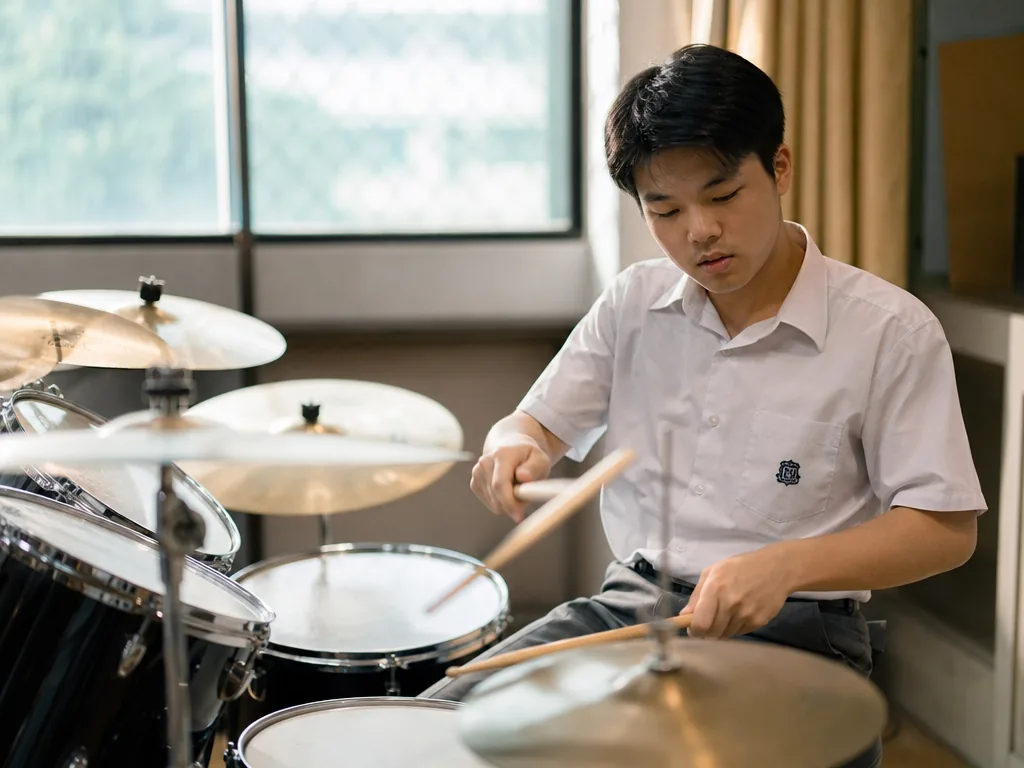
What Is the Drum Kit?
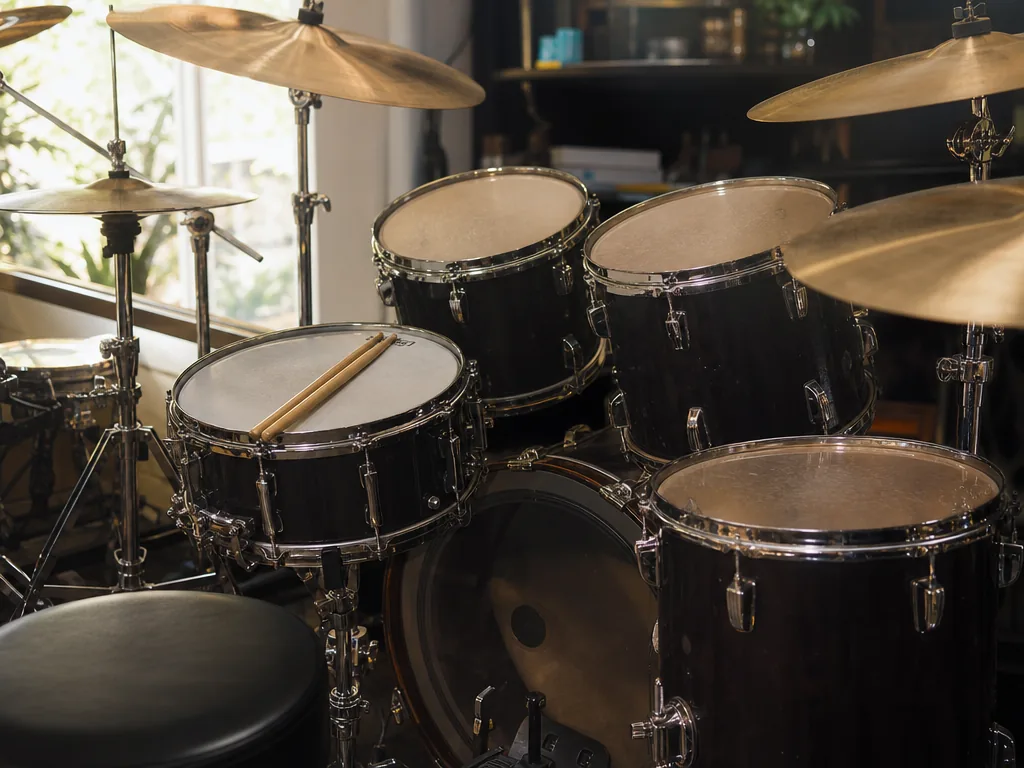
The drum kit, also called a drum set, is a system of instruments containing several different drums and percussion instruments, usually including the bass drum, snare drum, tom-toms, hi-hat and cymbals. The drum kit is regarded as one of the cornerstones of modern music, especially rock, jazz and popular music.
From jazz clubs to festival stadiums, the drummer is the band’s engine room — when the groove locks in, everything else follows.
Origins of the Drum Kit
Early Drum Instruments
The history of the drum can be traced back thousands of years; the earliest percussion instruments were probably used in religious ceremonies or celebrations. Traditional bass drums, snare drums and other individual drums had already been used by cultures around the world before the common era.
Progress in the 19th Century
By the 19th century, the percussion instruments used in Western music gradually became more diverse. During this time many bands began to combine different drums and percussion instruments and play them on stage simultaneously. These individual drums began to be combined into more complex instrument systems, laying the foundation for the birth of the drum kit.
Development in the Early 20th Century
In the early 1900s, with the rise of jazz, drummers began to combine various drums and percussion instruments together, a period that marked the birth of the modern drum kit. Many players and drum makers began to create complete drum systems designed specifically for bands.
Development and Modernisation of the Drum Kit
Popularisation in the 20th Century
The popularity of jazz drove the development of the modern drum kit; celebrated drummers such as Gene Krupa and musicians such as Louis Armstrong began to provide a steady, powerful rhythmic foundation for bands and reinforced the importance of the drum kit in music.
The Development of Rock
With the rise of rock music, especially the emergence of bands such as The Beatles in the 1960s, the drum kit became a fundamental part of rock music. Drummers began to use more technical methods and varied sounds, further developing the drum kit into an indispensable instrument in modern music.
Notable Drum Kit Masters and Their Representative Works
During the development of the drum kit, many celebrated drummers shaped the drum-kit playing style of modern music through their outstanding technique, innovative styles and deep understanding of music. Below are several highly influential drummers and their representative works.
Gene Krupa
Nationality: United States
Gene Krupa was one of the most influential jazz drummers of the 20th century and had a profound influence on the development of the modern drum kit. As one of the pioneers of jazz, Krupa took drum-kit performance to new heights and played an important role in the technical innovation and expressiveness of percussion.
- Sing, Sing, Sing — one of Gene Krupa’s most representative works; his drum-kit playing added powerful dynamism and rhythm to the piece, making it a jazz classic.
- Drum Boogie — this work shows Gene Krupa’s superb drumming technique, with a strong and innovative sense of rhythm, becoming a very famous percussion work in jazz.
John Bonham
Nationality: United Kingdom
John Bonham is one of the greatest drummers in the history of rock music. As the drummer of Led Zeppelin, his playing style was passionate and technically outstanding, with a profound influence on the development of rock. Bonham’s drum-kit style blended heavy striking power with complex rhythmic technique, raising the rhythmic layers of rock to a new level.
- Stairway to Heaven — the drum-kit performance in this song is regarded as one of the most iconic drum parts in rock history; Bonham’s playing provided a solid rhythmic foundation for the song.
- Good Times Bad Times — the opening drum section of this song became a rock classic; Bonham’s beats added dynamism and explosive power to the song.
Neil Peart
Nationality: Canada
Neil Peart is the drummer of Rush and is regarded as one of the greatest drummers in modern rock. Peart’s drum-kit style is highly technical; he not only masters complex rhythmic structures but also incorporates many innovative techniques into his playing, injecting more artistry into rock drumming.
- Tom Sawyer — the drum-kit performance in this song is creative; Peart’s technical playing and strong sense of rhythm give the song a unique musical atmosphere.
- YYZ — the drum-kit section of this song is full of complex rhythmic changes and is one of Peart’s representative works, showing his innovation and technique in rhythm.
Dave Grohl
Nationality: United States
Dave Grohl is the drummer of Nirvana and later became the frontman and guitarist of Foo Fighters. His drum-kit style is full of energy and strong emotional expression. Grohl’s playing is simple yet powerful, adding great dynamism to Nirvana’s music.
- Smells Like Teen Spirit (Nirvana) — the drum-kit performance of this song is regarded as a representative of 1990s rock; Grohl’s beats give the song an incomparable sense of power.
- Everlong (Foo Fighters) — the drumming in this song is full of rhythm and perfectly matches the melody, showing Grohl’s technique and musical understanding.
Recommended Classic Drum Kit Works
| Composer/Musician | Work | Musical Style | Characteristics |
|---|---|---|---|
| Gene Krupa | Sing, Sing, Sing | Jazz | Iconic jazz drum section, full of energy |
| John Bonham | Stairway to Heaven | Rock | A classic rock drum part |
| Neil Peart | Tom Sawyer | Rock | Complex rhythmic structure, innovative drum-kit playing |
| Dave Grohl | Smells Like Teen Spirit | Rock | A classic 1990s drum section with a strong sense of rhythm |
Frequently Asked Questions (FAQ)
Q: At what age can a child start learning the drum kit?
Most children can begin with simple rhythm and percussion games around age 5–6, and formal drum kit lessons usually suit ages 7–8 once coordination and concentration have developed. A practice pad or a junior kit is a great low-volume starting point.
Q: Is the drum kit too loud for home practice?
Not necessarily. Electronic drum kits and practice pads let students practise quietly, and acoustic kits can be fitted with low-volume heads and cymbals. A consistent, predictable practice schedule also helps keep noise manageable for neighbours.
Q: Do I need to read music to play the drum kit?
Many rock and pop drummers play by ear, but learning to read rhythm notation opens up jazz, orchestral and studio work, and gives students a clearer path through graded lessons and exams.
Q: Which drum kit should a beginner buy?
A quality practice pad and a pair of sticks are enough to begin. When a full kit is needed, an entry-level electronic kit, or a basic five-piece acoustic kit with hi-hat, crash and ride cymbals, offers the best value.
Further Resources & Next Steps
- Official Resources——The Percussive Arts Society (PAS), plus the Trinity College London and ABRSM drum kit and percussion syllabuses for graded study.
- Further Reading——Stick Control by George Lawrence Stone for snare technique, and recordings of Gene Krupa, John Bonham, Neil Peart and Dave Grohl to build your listening library.
- Parent Tips——Encourage short, daily practice on a practice pad before investing in a full kit, and introduce a metronome from day one to build the internal clock every drummer needs.
Note: The information above is for reference only. Please consult professional education institutions for details.
This article was initially drafted and organised with AI. Editor / Professor Chan Kwok-wai; Managing Editor / Kong Yee-leung
Act Now: Find a Tutor / Register as a Tutor
For parents & students: looking for a home or online tutor for this subject? Click the button below to post a free tuition case (subject, level and preferred time) — TutorZone will match you with suitable tutors:
For tutors: do you teach this subject? Click the button below to register for free and receive more suitable cases — you pay only when a match is made: