 中文(繁體)
 中文(簡體)
 English



DSE Chinese Literature Guide: What is it? Who Should Take It? Complete Breakdown of the Course, Grading, and Further Study Pathways
TUTORZONE SUBJECT GUIDE · DSE
An elective in the Hong Kong Diploma of Secondary Education (DSE) for students who love literature, writing, and Chinese culture, Chinese Literature pairs literary appreciation with creative writing. This guide breaks down the course structure, assessment and grading, study strategies, and the academic and career pathways it opens up.
Direct Answer:What is DSE Chinese Literature?
DSE Chinese Literature is an elective pairing literary appreciation with creative writing for students who love literature, writing, and Chinese cu。
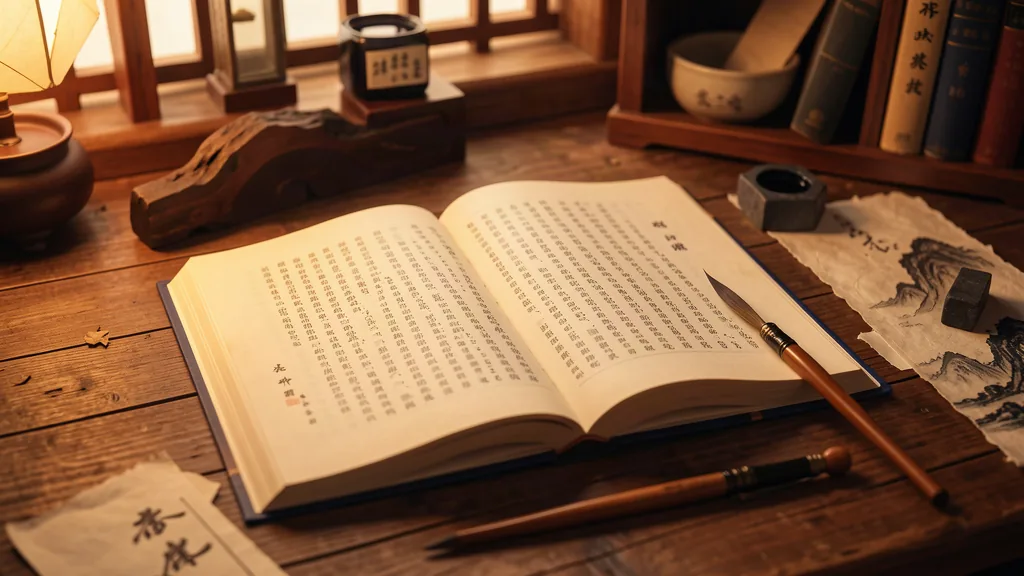
Course Overview & Key Features
DSE Chinese Literature is an elective subject in the Hong Kong Diploma of Secondary Education (DSE), suited to students interested in literature, writing, and Chinese culture. Unlike the core “Chinese Language” subject, it focuses on the appreciation and creation of literary works, helping students develop understanding, emotional connection, and critical thinking towards classical and modern Chinese literary classics.
| Feature | Description |
|---|---|
| Dual Focus | Literary Appreciation + Creative Writing |
| Classical & Modern Balance | Study texts from The Book of Songs, Tang and Song poetry, to works by Lu Xun, Eileen Chang, Hong Kong authors, etc. |
| Critical Thinking & Creation | Train students to analyze text themes and rhetorical devices, while encouraging original writing |
| Cultural Heritage Emphasis | Deepen understanding and critique of Chinese culture, aesthetics, and societal values |
Course Structure (2024 Latest Version)
Required Part (Literary Appreciation)
| Time Period | Author / Example Texts | Key Learning Focus |
|---|---|---|
| Classical Literature | The Book of Songs, Du Fu, Li Qingzhao, Su Shi | Imagery analysis, rhetorical techniques, emotional structure |
| Modern Literature | Lu Xun, Eileen Chang, Bai Xianyong | Theme exploration, character development, narrative techniques |
| Hong Kong Literature | Xi Xi, Ye Si, Wong Bik Wan | Urban writing, local consciousness, social critique |
Elective Modules (Choose 2 out of 4)
| Module Name | Core Learning Focus | Typical Question Types |
|---|---|---|
| Literature & Film | Adaptations of literary works into films, comparison of text and cinematic language | Compare original vs. adaptation, analyze audiovisual vs. written techniques |
| Literature & Culture | Traditional festivals, myths, and historical cultural symbols | Cultural symbolism in poetry, historical context |
| Literature & Emotion | Exploration of emotions like love, family, friendship in literature | Thematic analysis, emotional character change |
| Literature & Society | Social critique and historical reflections in literature (e.g., Cultural Revolution novels) | Analyzing literary works’ historical background and social issues |
Assessment Methods & Score Distribution
Public Examination (70%)
| Paper | Content | Assessment Focus | Time / Weighting |
|---|---|---|---|
| Paper 1 | Appreciation of specified works (3 choices, 2 answers) | Text comprehension, argument structure, rhetorical analysis | 2 hours / 35% |
| Paper 2 | Appreciation of extra-text excerpts + creative writing prompt | Creativity, use of literary techniques, writing expression | 2 hours / 35% |
School-Based Assessment (SBA, 30%)
| Requirement | Description |
|---|---|
| Research Report | A 5000-word literary research paper or creative analysis (must include academic citations) |
| Required Elements | Intertextual analysis, creative reflection, at least 5 sources cited |
| Example Topics | “The Spirit of Chivalry in Jin Yong’s Novels and Its Dialogue with Modern Values” |
Study Strategies & Exam Tips
A reliable route through both appreciation and composition is the Three-Step Literary Appreciation Method:
Surface Understanding
Organise plot, character relationships, and imagery usage.
In-depth Interpretation
Extract themes, metaphors, and symbolic techniques.
Cultural Connection
Link historical background, values, and societal changes.
Appreciation is not about memorising a single “correct answer” — it is about building a reasoned, personal reading supported by the text.
Classical Poetry Appreciation Tips
- “Scenery → Emotion → Reason”——Build emotion through imagery and connect it to the deeper meaning.
- “Focus on Word Choice”——Pay attention to verbs and modal words for nuanced expression.
Creative Writing Tips
| Structure Section | Writing Recommendations |
|---|---|
| Introduction | Introduce with imagery or suspense to engage interest |
| Body | Focus on detailed descriptions, emotional build-up, character psychology |
| Conclusion | Conclude with a philosophical reflection or symbolic meaning to elevate the structure |
Essential Learning Resources
| Resource Type | Recommended Resources | Purpose |
|---|---|---|
| Textbook | DSE Chinese Literature Exam Guide | In-depth analysis of model essays and exam question types |
| Reference Book | Handbook of Literary Criticism Terms | Literary theory vocabulary, rhetorical explanations |
| Online Platforms | Chinese Classical Literature Database, CNKI | Poetry recitation, literature searches |
| Tutoring / Activities | Hong Kong Literature Museum, Writing Workshops | Practical training, writer seminars |
Common Difficulties & Solutions
| Issue Type | Suggested Solutions |
|---|---|
| Difficulty Understanding Classical Chinese | Read short texts daily and create “ancient vs. modern” word flashcards |
| Superficial Theme Analysis | Use probing questions like, “What cultural/critiques does the author convey through imagery?” |
| Lack of Depth in SBA Papers | Incorporate cross-media materials (e.g., films/paintings) or conduct field interviews for a richer perspective |
Grading Criteria & High-Score Examples
Example Question
“Compare the thematic similarities between Du Fu’s “Spring View” and modern disaster literature.”
High-Score Approach:
- Reference scholars’ perspectives——e.g., Stephen Owen (Yu Wen Suo An).
- Compare imagery and context——between ancient and modern texts.
- Comment on literature’s response——to historical trauma.
Common Pitfalls:
- Vague rhetorical discussion——techniques discussed without cultural analysis.
- Lack of concrete comparison——insufficient text comparison, off-topic writing.
Academic & Career Pathways
- Further Studies——Chinese Language & Literature, Comparative Literature, Cultural Studies, Creative Writing.
- Educational Sector——Secondary School Chinese Teacher, Writing Tutor.
- Publishing & Media——Editor, Cultural Journalist, Content Curator.
- Creative Industry——Drama Scriptwriter, Fiction Writer, Cross-media Literary Creator.
Frequently Asked Questions (FAQ)
Q: Is DSE Chinese Literature harder than the core Chinese Language subject?
They test different skills. Chinese Literature centres on literary appreciation and creative writing rather than general language use, so it rewards students who enjoy reading, analysing, and composing literary texts.
Q: Do I need to write in classical Chinese to do well?
No. The examination rewards appreciation more than classical composition — you need to read and analyse classical works, but creative writing is in modern Chinese. Building reading fluency through short daily texts is enough to start.
Q: How is the subject graded and weighted?
The public examination carries 70% (Paper 1 and Paper 2, 35% each) and the School-Based Assessment carries 30%. The SBA centres on a 5000-word research report with academic citations.
Q: What university programmes can Chinese Literature lead to?
Common paths include Chinese Language and Literature, Comparative Literature, Cultural Studies, and Creative Writing, with careers in teaching, publishing, media, and the creative industries.
Further Resources & Next Steps
- Official Resources——Hong Kong Examinations and Assessment Authority (HKEAA) subject pages and the Hong Kong Education Bureau (www.edb.gov.hk).
- Further Reading——DSE Chinese Literature Exam Guide and the Handbook of Literary Criticism Terms; visit the Hong Kong Literature Museum for primary texts.
- Parent Tips——Encourage daily short readings of classical and modern works, and discuss themes at home to build the analytical habit the exam rewards.
Note: The information above is for reference only. Please consult professional education institutions for details.
This article was initially drafted and organised with AI. Editor / Professor Chan Kwok-wai; Managing Editor / Kong Yee-leung
Act Now: Find a Tutor / Register as a Tutor
For parents & students: looking for a home or online tutor for this subject? Click the button below to post a free tuition case (subject, level and preferred time) — TutorZone will match you with suitable tutors:
For tutors: do you teach this subject? Click the button below to register for free and receive more suitable cases — you pay only when a match is made: