
 中文(繁體)
 中文(簡體)
 English


DSE Clothing, Textiles and Fashion: Complete Course Guide
TUTORZONE SUBJECT GUIDE · DSE
An in-depth guide to DSE Clothing, Textiles and Fashion — covering course structure, the 70/30 assessment split, effective study strategies and the career pathways open to Hong Kong’s future designers and makers.
Direct answer: how is DSE Technology and Living (Fashion, Clothing and Textiles) assessed?
Verified against the HKEAA 2027 framework: Technology and Living — Fashion, Clothing and Textiles strand — Section A multiple-choice (15 marks), Section B design quest 30% (1½ hours); Short questions, data-response questions and an essay on eac 40% (2 hours); Prescribed task 10% + project / design folio 20% 30% (S5 and S6). Technology and Living does have SBA (30%), including a design folio for the fashion strand.
What Is Clothing, Textiles and Fashion?
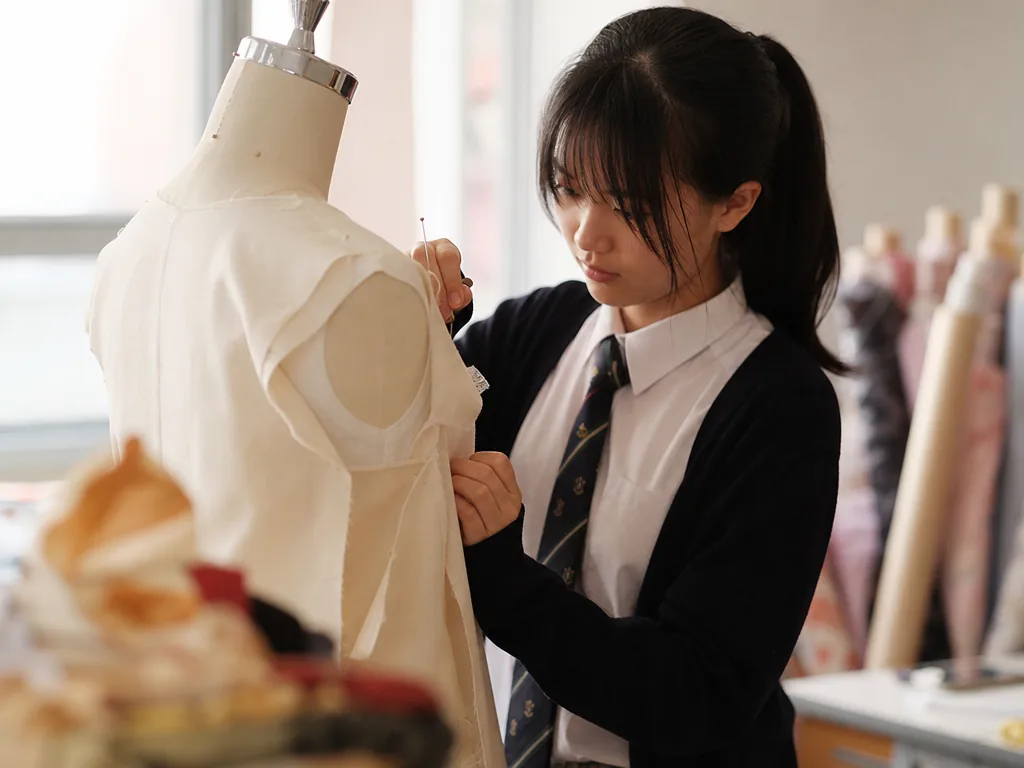
DSE Clothing, Textiles and Fashion is an elective subject in the Hong Kong Diploma of Secondary Education (DSE) that focuses on fashion design, garment making and textile technology. It aims to enhance students’ creativity and practical skills and to give them an in-depth understanding of the workings and cultural background of the relevant industries. Its core characteristics include:
- Design and technology in equal measure: covers the principles of fashion design, textile material science, the garment-making process and related market applications.
- Creativity and practical ability: emphasises students’ creative design and hands-on work, from conception through to the finished product.
- Cultural and environmental awareness: cultivates students’ awareness of fashion culture, fashion trends and sustainable development, and connects these with global market trends.
Assessment at a glance
Assessment: public examination 70% (Paper 1 30%, 1½ hours; Paper 2 40%, 2 hours) + School-Based Assessment (SBA, 30%: prescribed task 10% + project / design folio 20%).
Course Structure
Fashion Design and Garment Making
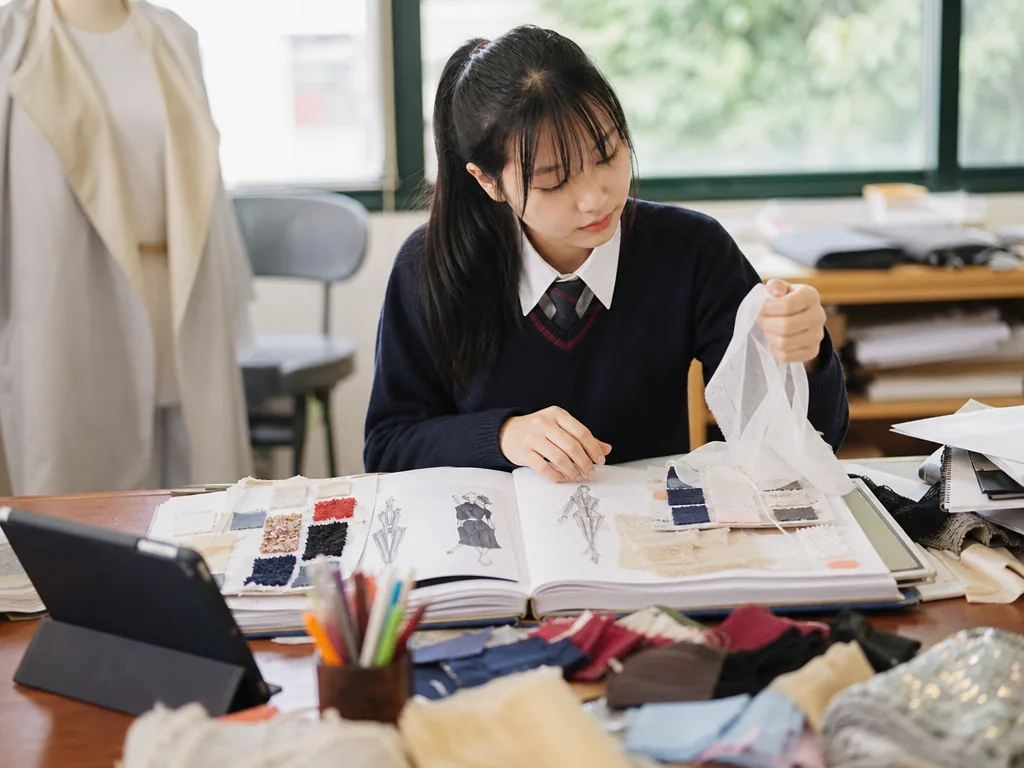
- Fundamentals of fashion design: learn the basic principles of fashion design, including proportion, colour, fabric selection and structural design, and create design sketches.
- Garment making: master garment-making techniques such as pattern drafting, cutting, sewing and embellishment, and learn how to turn design drawings into actual finished garments.
- Fashion trends and market analysis: understand the development of fashion trends, carry out market research, and analyse the needs and preferences of different consumer groups.
Textile and Material Science
- Properties of textile materials: learn the characteristics of various fabrics and textiles, including the advantages, disadvantages and applications of natural and synthetic fibres.
- Textile processes and technology: master the key techniques in textile processing, such as spinning, weaving and dyeing and finishing, and understand how these techniques affect the quality of the finished product.
- Sustainable fashion: explore the environmental impact of the clothing and textile industries, and learn how to design and produce products that meet the requirements of sustainable development.
Assessment: official weighting (2027 HKDSE)
| Component | What it contains | Weighting | Duration |
|---|---|---|---|
| Paper 1 (compulsory part) | Section A multiple-choice (15 marks), Section B design questions (25 marks), Section C structured questions (30 marks) | 30% | 1½ hours |
| Paper 2 (elective part) | Short questions, data-response questions and an essay on each elective module; answer two of three modules | 40% | 2 hours |
| School-Based Assessment | Prescribed task 10% + project / design folio 20% | 30% | S5 and S6 |
SBA: Technology and Living does have SBA (30%), including a design folio for the fashion strand.
Source: HKEAA 2027 HKDSE assessment framework for Technology and Living — Fashion, Clothing and Textiles strand (see the resource list below). Always check the framework for the year you are sitting.
Effective Study Strategies
Fashion Design Skills
- Collecting design inspiration: keep up with fashion shows, designers’ work and visual elements in daily life to build up a store of inspiration.
- Sketching and pattern-drafting practice: regularly practise hand-drawn design sketches and learn to draft basic patterns, which helps turn abstract designs into concrete garments.
Making Skills
- Cutting and sewing practice: do more hands-on work and become proficient in different sewing techniques (such as lockstitching, overlocking and button fixing).
- Repetitive practice: start with simple garment designs, gradually increase the difficulty, and repeatedly make and modify them, learning from mistakes.
Textile Materials and Sustainable Design
- Material experiments: study and test the properties of different fibres and fabrics, such as absorbency, breathability and comfort, and understand their application in design.
- Paying attention to environmental impact: actively learn about sustainable fabrics and recycling techniques and apply them in design to create clothing that is both eco-friendly and fashionable.
Common Difficulties and How to Overcome Them
Connecting the design and technical processes
Solution: carry out design and production in stages, stay flexible throughout the design process, and adjust the design promptly according to the actual situation.
Lack of proficiency in cutting and sewing
Solution: practise regularly and seek advice from professionals or teachers to improve your technique and gradually raise the precision of your work.
Insufficient depth in fashion trend analysis
Solution: follow developments in the international fashion scene, study reports from different industries, and carry out comprehensive analysis against social, cultural and economic backgrounds.
Further Study and Career Pathways
Related University Subjects
Mathematics, Design, Fashion Studies, Textile Engineering, Fashion Management and more.
Career Pathways
Fashion Designer, Garment Production Technician, Fashion Consultant, Textile Quality Inspector, fashion industry marketing planner and more.
Exam Time Management
Time Allocation by Paper
- Paper 1: 45 minutes per question (including 5 minutes’ planning time).
- Paper 2: 60 minutes for design and application questions + 60 minutes for integrated analysis questions.
Action Tips
- Complete at least one full fashion design project each month, from design to production, and reflect and improve afterwards.
- Take part in relevant design competitions or workshops to enhance your creativity and practical ability.
- Explore the field of eco-friendly and sustainable fashion to build up relevant knowledge and experience.
Such study strategies and course structure help students better master the theory and practice of clothing, textiles and fashion, and prepare effectively for the public examination and School-based Assessment.
Frequently Asked Questions
What is the weighting of DSE Technology and Living?
Paper 1 30% (1½ hours), Paper 2 40% (2 hours) and SBA 30%.
What is assessed in the fashion strand SBA?
A prescribed task (10%) and a project or design folio (20%) — for this strand that means design work and garment production.
Which strand should I choose?
Food Science and Technology or Fashion, Clothing and Textiles; both share the same weighting structure.
Further Resources & Next Steps
- Official Resources——Refer to the Hong Kong Education Bureau website for the latest subject information and assessment requirements: www.edb.gov.hk.
- Further Reading——Follow fashion shows, designers’ work and industry reports to build your store of design inspiration and sharpen your trend analysis.
- Parent Tips——Encourage regular hands-on making at home, support participation in design competitions or workshops, and explore eco-friendly and sustainable fashion together.
Note: The information above is for reference only. Please consult professional education institutions for details.
This article was initially drafted and organised with AI. Editor / Professor Chan Kwok-wai; Managing Editor / Kong Yee-leung
Act Now: Find a Tutor / Register as a Tutor
For parents & students: looking for a home or online tutor for this subject? Click the button below to post a free tuition case (subject, level and preferred time) — TutorZone will match you with suitable tutors:
For tutors: do you teach this subject? Click the button below to register for free and receive more suitable cases — you pay only when a match is made: