 中文(繁體)
 中文(簡體)
 English



DSE Design and Applied Technology (DAT): Complete Course Guide
TUTORZONE SUBJECT GUIDE · DSE
Design and Applied Technology (DAT) blends design thinking with hands-on technology to solve real-world problems. This guide walks through what DAT covers, how it differs from related subjects, and where it can lead.
Direct Answer:What is DSE Design and Applied Technology (DAT)?
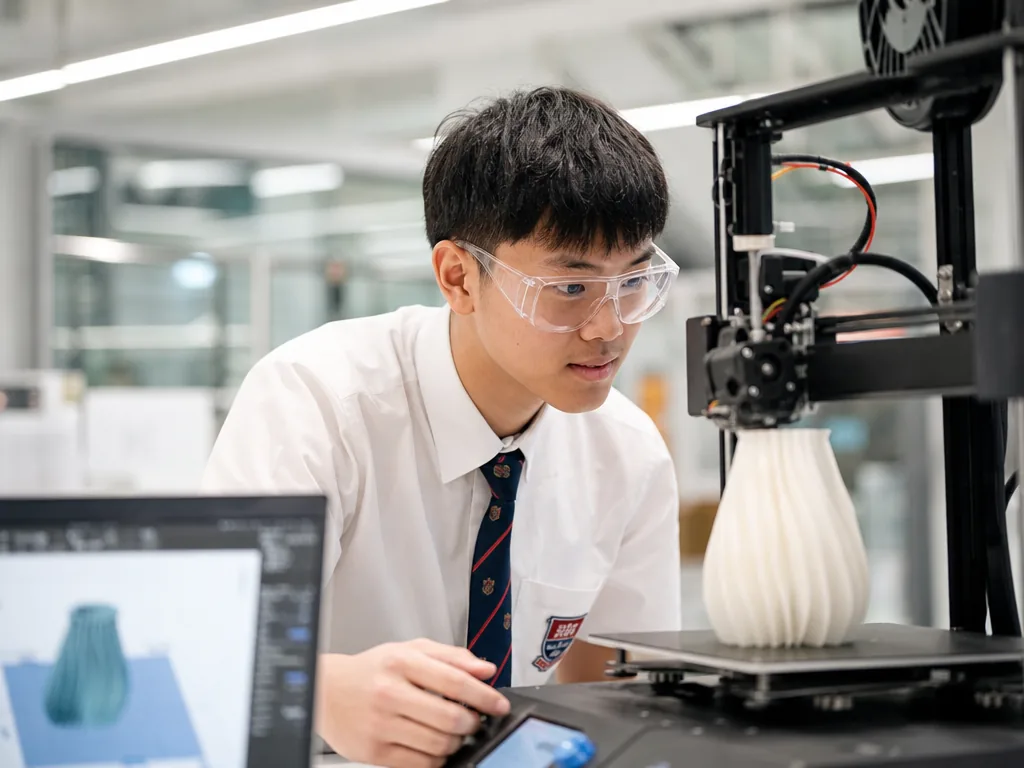
DSE Design and Applied Technology blends design thinking with hands-on technology to solve real-world problems, and 3D printing turns DAT design co。
What Is Design and Applied Technology?
Design and Applied Technology (DAT) is a subject combining design thinking with technology application, aiming to develop students’ ability to solve real-world problems and improve life and society through innovative design and technical practice.
- Design — the purposeful process of planning and creating products, systems or services, emphasising functionality, aesthetics, ergonomics and sustainability.
- Applied Technology — applying scientific and technical knowledge (e.g. engineering, materials science, digital tools) to practical scenarios to achieve design goals.
Together, the core of DAT is to combine creative design with technical tools through interdisciplinary integration to solve real-world problems (e.g. environmental protection, health, energy).
Main Areas of Study
Design
- Design Thinking — a human-centred problem-solving approach encompassing empathy, problem definition, ideation, prototyping and testing.
- Product Design — developing physical products (e.g. furniture, electronic devices).
- Digital Design — UI/UX design, websites, app interfaces, etc.
- Environmental Design — spatial planning, architecture or sustainable design.
Technology Application
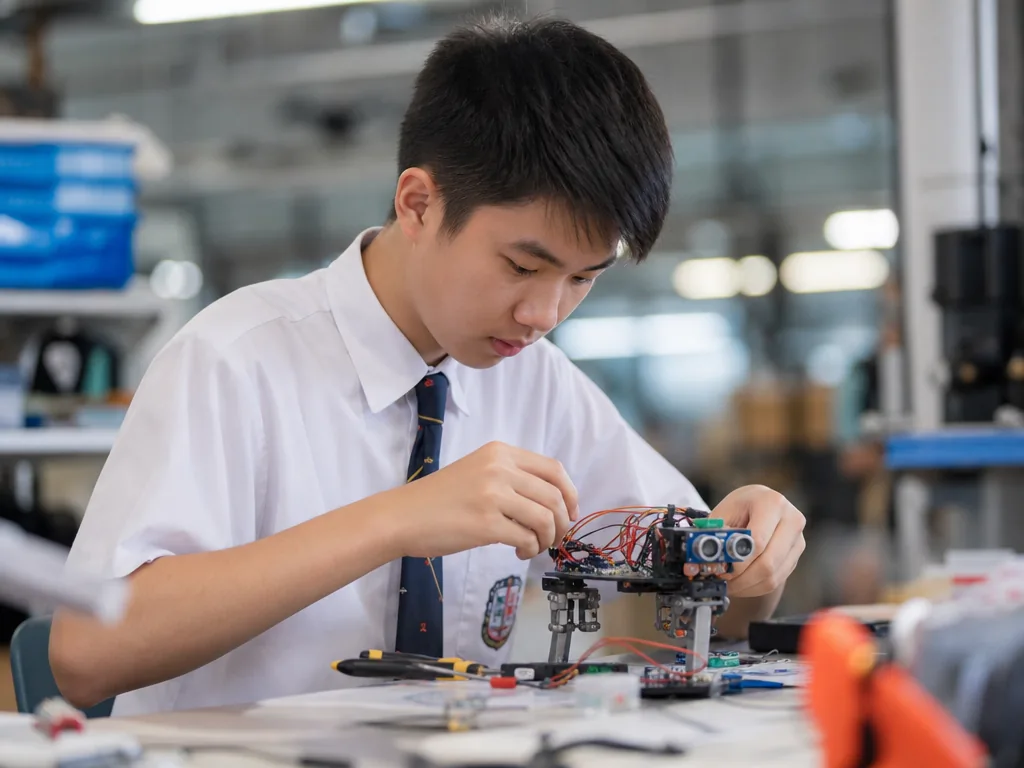
- Engineering Technology — mechanical structures, electronic circuits, automation and control.
- Materials Science — selecting and testing materials (e.g. composite and eco-friendly materials).
- Digital Tools — 3D modelling (e.g. Fusion 360), CAD/CAM, laser cutting, 3D printing.
- Smart Technology — the Internet of Things (IoT), AI integration, robotics.
Practical Skills
- Prototyping
- Project management and teamwork
- Market analysis and user research
Course Objectives
- Develop students’ innovation ability and technological literacy.
- Understand the complete development process from concept to product.
- Master tools and techniques (e.g. programming, digital fabrication) to realise designs.
- Value sustainable design and social responsibility.
Practical Application Examples
- Smart home products — designing energy-saving devices with IoT technology.
- Eco-friendly packaging — using biodegradable materials to reduce waste.
- Medical aids — 3D-printed customised wheelchairs or prosthetics.
- EdTech — developing interactive learning tools.
How DAT Differs from Other Subjects
- vs pure art/design — DAT places more emphasis on functionality and technical feasibility.
- vs traditional engineering — DAT emphasises user needs and aesthetics, not just technical specifications.
- vs computer science — DAT includes hardware and physical design, not only software development.
Future Directions
Green Technology
Renewable-energy product design.
Human–Computer Interaction (HCI)
Virtual reality (VR) and wearable devices.
Social Innovation
Designing low-cost solutions for disadvantaged groups.
Related Careers
- Product designer
- UX/UI designer
- Industrial engineer
- Technology education practitioner
- Innovation consultant
The Takeaway
Design and Applied Technology is a bridge between “creativity” and “technology”. Through practice-oriented learning, it develops students into interdisciplinary talents able to meet future challenges. Its core spirit:
Use design to change life, and technology to realise creativity.
Frequently Asked Questions (FAQ)
Q: Is DAT only for students who are good at drawing or art?
Not at all. DAT focuses on design thinking and technical application rather than fine-art drawing. Students who enjoy problem-solving, making things, and working with technology can thrive even without strong traditional art skills.
Q: What tools and software will students learn?
Students typically work with 3D modelling software (e.g. Fusion 360), CAD/CAM, laser cutting, 3D printing, and digital fabrication tools, along with basic programming for smart devices.
Q: How is DAT different from ICT and Visual Arts?
DAT sits between the two: unlike ICT’s software focus, it includes hardware and physical design, and unlike Visual Arts, it prioritises functionality and technical feasibility alongside aesthetics.
Q: What careers can DAT lead to?
Common pathways include product designer, UX/UI designer, industrial engineer, technology education practitioner, and innovation consultant.
Further Resources & Next Steps
- Official Resources — Hong Kong Education Bureau: www.edb.gov.hk.
- Further Reading — explore design-thinking guides, 3D-modelling tutorials (e.g. Fusion 360), and CAD/CAM introductions.
- Parent Tips — encourage hands-on making at home, from simple prototypes to 3D-printed projects, to build both creativity and technical confidence.
Note: The information above is for reference only. Please consult professional education institutions for details.
This article was initially drafted and organised with AI. Editor / Professor Chan Kwok-wai; Managing Editor / Kong Yee-leung
Act Now: Find a Tutor / Register as a Tutor
For parents & students: looking for a home or online tutor for this subject? Click the button below to post a free tuition case (subject, level and preferred time) — TutorZone will match you with suitable tutors:
For tutors: do you teach this subject? Click the button below to register for free and receive more suitable cases — you pay only when a match is made: