 中文(繁體)
 中文(簡體)
 English



DSE Humanities: Complete Course Guide
TUTORZONE SUBJECT GUIDE · DSE
Humanities — from history and geography to philosophy and religious studies — teaches students how human culture, thought and society actually work. Here is a complete guide to the programmes, schools, teaching approaches and university pathways behind a strong DSE humanities education.
Direct Answer:What is DSE Humanities?
DSE Humanities covers history, geography, philosophy and religious studies, teaching how human culture, thought and society work.

What Are the Humanities?
Humanities is a broad academic field that studies human culture, thought and society. In Hong Kong secondary schools it mainly comprises the following branches:
| Discipline | Main Content | Related DSE Subject |
|---|---|---|
| History | Local history, world history, comparative civilisations | History |
| Geography | Human geography, globalisation issues | Geography |
| Cultural studies | Popular culture, identity | Liberal Studies (now Citizenship and Social Development) |
| Philosophy | Ethics, logical thinking | Offered as an elective in some schools |
| Religious studies | Comparative religion, religion and society | Ethics and Religious Studies |
Types of Humanities Programmes in Hong Kong Secondary Schools
International Curricula
- IBDP:
- Group 3 “Individuals and Societies” includes History, Geography, Economics and more
- Distinctive courses: Global Politics, World Religions
- IGCSE/A-Level:
- Classic combination: History + Geography + Literature
- Emerging options: Sociology, Psychology
Local DSE Curriculum
- Core subject: Citizenship and Social Development (which replaced Liberal Studies)
- Elective subjects:
- History
- Geography
- Chinese History
- Ethics and Religious Studies
- School-based curriculum: some schools offer an interdisciplinary “Integrated Humanities” course
Hong Kong Secondary Schools Offering In-depth Humanities Programmes
International Schools
| School | Distinctive Programme | Medium of Instruction |
|---|---|---|
| English Schools Foundation (ESF) | IBDP Theory of Knowledge (TOK) + History HL | English |
| German Swiss International School | European cultural history special topic | English/German |
| Hong Kong International School | US AP Human Geography | English |
Direct Subsidy Scheme / Private Schools
| School | Distinctive Project | Highlight |
|---|---|---|
| Diocesan Boys’ School | Global issues studies | Model United Nations |
| St. Paul’s Co-educational College | Digital humanities laboratory | Big data analysis |
| Victoria Shanghai Academy | IBDP Philosophy elective | Chinese–English bilingual |
Government and Aided Schools
| School | Humanities Education Feature | Remarks |
|---|---|---|
| Queen’s College | Integrated literature, history and philosophy curriculum | Chinese medium |
| Marymount Secondary School | Feminist studies | English-assisted |
| La Salle College | Catholic culture and ethics | Religious background |
Comparison of Teaching Approaches
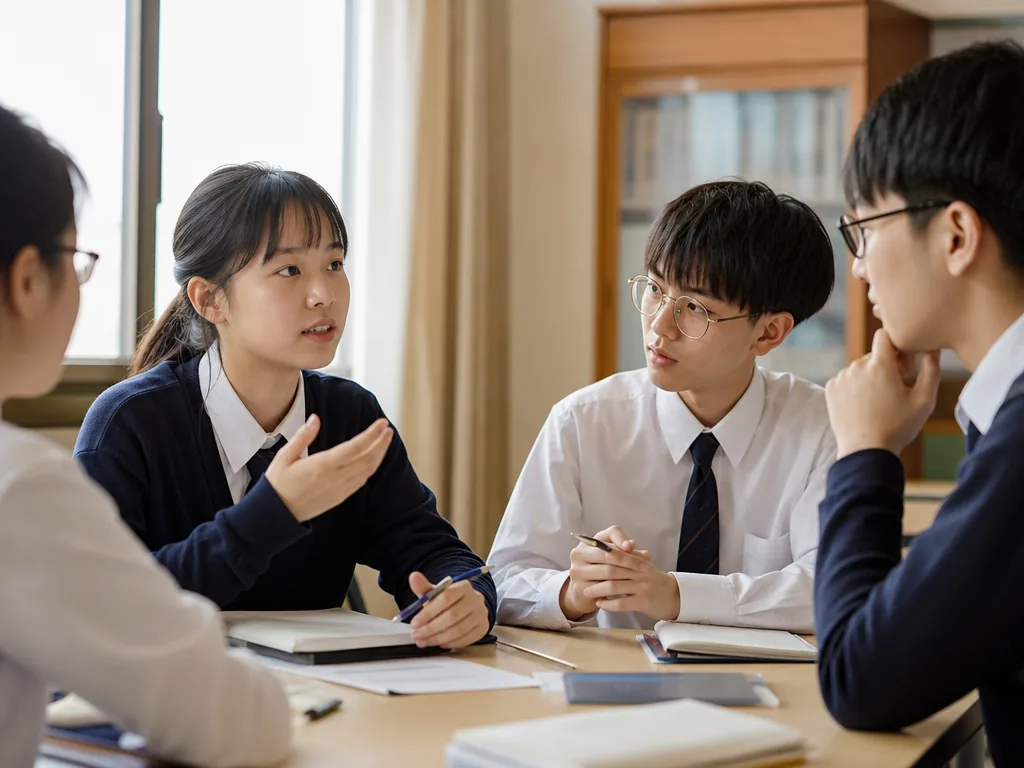
- Traditional teaching: lecture-based → rote memorisation of knowledge points
- Modern humanities education:
- Problem-based learning (PBL) project study → urban field trips
- Debate and seminars → critical thinking
- Digital tools → GIS map analysis
Value and Development for Further Studies
University Pathway Advantages
- United Kingdom: Oxford PPE, Cambridge Human, Social, and Political Sciences
- United States: Ivy League liberal arts colleges
- Hong Kong: HKU Faculty of Arts, CUHK Cultural Studies
Career Development Paths
- Cultural heritage management
- Policy research and analysis
- International organisation consultancy
- Education and publishing
Advice for Parents on Subject Selection
- Assess language ability: international curricula require strong English writing skills
- Match learning style: suited to students who enjoy reading and discussion
- Long-term planning: if aiming for a top overseas humanities faculty, start preparing in Secondary 3
Expert Tip
Research by the Education University of Hong Kong in 2023 shows that students who study humanities perform significantly above average in “cross-cultural understanding” and “solving complex problems”. The soft skills cultivated by a humanities education are, if anything, more valuable in the age of AI.
Frequently Asked Questions (FAQ)
Q: Is humanities only for students who are strong in writing?
Writing matters, but humanities equally rewards reading, discussion and analysis. If your child enjoys debating ideas, connecting current events to history, or asking “why”, humanities can suit them — writing skills can be developed steadily with practice.
Q: What is the difference between Citizenship and Social Development and the old Liberal Studies?
Citizenship and Social Development replaced Liberal Studies as a core subject. It keeps the focus on Hong Kong, the nation and the world, but is shorter and more focused, with a pass/fail grading in the public assessment.
Q: Which DSE elective combinations work well with humanities?
History, Geography, Chinese History and Ethics and Religious Studies are the main electives. A common combination is History + Geography, or History + Ethics and Religious Studies, depending on the university programme you are aiming for.
Q: Do universities value humanities subjects?
Yes. UK programmes such as Oxford PPE and Cambridge Human, Social, and Political Sciences, US liberal arts colleges, and HKU’s Faculty of Arts and CUHK Cultural Studies all draw on humanities training. The critical thinking and communication skills they build are highly valued in the age of AI.
Further Resources & Next Steps
- Official Resources——Hong Kong Education Bureau (www.edb.gov.hk) for the latest curriculum and subject requirements.
- Further Reading——Compare the humanities offerings of the schools listed above, such as ESF, German Swiss International School and Hong Kong International School.
- Parent Tips——Start early: if your child is aiming for a top overseas humanities faculty, begin subject planning from Secondary 3 and encourage regular reading and discussion.
Note: The information above is for reference only. Please consult professional education institutions for details.
This article was initially drafted and organised with AI. Editor / Professor Chan Kwok-wai; Managing Editor / Kong Yee-leung
Act Now: Find a Tutor / Register as a Tutor
For parents & students: looking for a home or online tutor for this subject? Click the button below to post a free tuition case (subject, level and preferred time) — TutorZone will match you with suitable tutors:
For tutors: do you teach this subject? Click the button below to register for free and receive more suitable cases — you pay only when a match is made: