 中文(繁體)
 中文(簡體)
 English



DSE Tourism and Hospitality Studies: Complete Subject Guide
TUTORZONE SUBJECT GUIDE · DSE
DSE Tourism and Hospitality Studies is a practical, industry-linked elective that builds vocational skills, customer service and problem-solving abilities — a strong foundation for careers across hotels, travel, aviation and events.
Direct answer: how is DSE Tourism and Hospitality Studies assessed?
Verified against the HKEAA 2027 framework: Tourism and Hospitality Studies (THS) — Section A multiple-choice (all questions) and Section B data 45% (1½ hours); Five essay-type questions; answer any three 55% (1¾ hours). THS has no School-Based Assessment: the two written papers carry 100%.

Overview & Subject Profile
DSE Tourism and Hospitality Studies is a highly practical subject that is closely linked to industry, making it suitable for students who are interested in the service sector. The course places emphasis on practical experience and the development of vocational skills, laying a solid foundation for students’ future careers in the tourism and hospitality industries.
Basic Subject Information
- Full subject name: Tourism and Hospitality Studies
- Subject code: 451
- Course nature: elective subject (Applied Learning category)
- Assessment: Paper 1 45% (1½ hours) + Paper 2 55% (1¾ hours) — no SBA
Course Aims
Tourism and Hospitality Studies aims to develop students’ ability to:
Understand the Industry
Grasp the basic concepts and operations of the tourism and hospitality industries.
Master Professional Skills
Acquire the professional knowledge and skills required by the industry.
Serve & Solve Problems
Develop customer service and problem-solving abilities.
See the Wider Impact
Understand the economic, social and environmental impact of the tourism industry.
Course Content Structure
Core Modules
- Introduction to the Tourism Industry
- Definition and scope of the tourism industry
- Travel motivations and types of tourism
- Trends in the development of the tourism industry
- Tourism Destinations
- Major tourist attractions in Hong Kong
- Famous tourist destinations in China and around the world
- Tourism destination management
- Hospitality Services
- Hotel operations management
- Food and beverage services
- Customer relationship management
- Meetings, Incentives, Conferences and Exhibitions (MICE)
- Overview of the MICE industry
- Event planning and management
Elective Modules (choose one)
- Theme Park and Attraction Management
- Airline and Travel Services
Assessment: official weighting (2027 HKDSE)
| Component | What it contains | Weighting | Duration |
|---|---|---|---|
| Paper 1 | Section A multiple-choice (all questions) and Section B data-based questions (2 of 3) | 45% | 1½ hours |
| Paper 2 | Five essay-type questions; answer any three | 55% | 1¾ hours |
Note: THS has no School-Based Assessment: the two written papers carry 100%.
Source: HKEAA 2027 HKDSE assessment framework for Tourism and Hospitality Studies (THS) (see the resource list below). Always check the framework for the year you are sitting.
Key Exam Skills
- Application of knowledge:——use professional knowledge to solve industry problems.
- Case analysis:——analyse real cases in the tourism industry.
- Communication skills:——demonstrate a professional customer service attitude.
- Critical thinking:——evaluate the impact of developments in the tourism industry.
Who Should Study This Subject
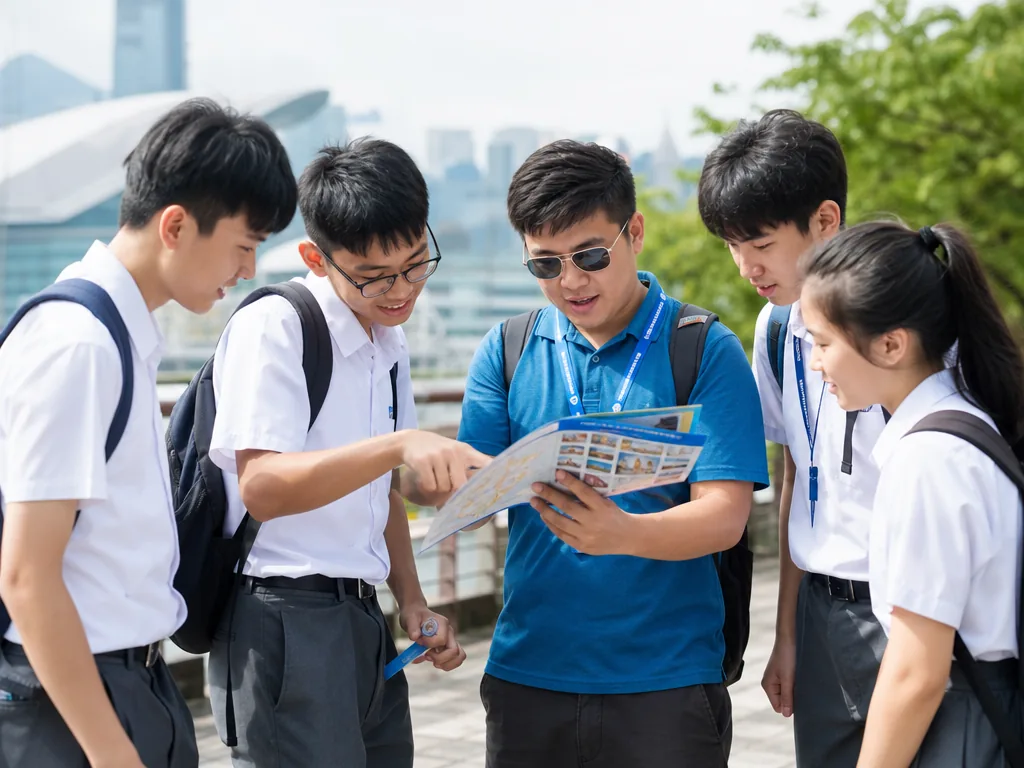
- Students interested in the tourism, hotel management or food and beverage industries
- Students who enjoy interacting with people and providing customer service
- Students who wish to pursue a career in tourism-related industries in the future
- Students with good communication and organisational skills
Further Study & Career Opportunities
Local Study
- School of Hotel and Tourism Management, The Hong Kong Polytechnic University
- School of Hotel and Tourism Management, The Chinese University of Hong Kong
Overseas Study
- Swiss hotel management schools
- Blue Mountains International Hotel Management School, Australia
Career Directions
- Hotel management
- Travel agency operations
- Airline services
- Event and exhibition planning
Learning Resources
Textbooks
- DSE Tourism and Hospitality Studies
- 21st Century Tourism and Hospitality Studies
Field Trips
- Visits to hotels, travel agencies and tourist attractions
Industry Experience
- Taking part in travel fairs and hotel open days
Subject Advantages
- Balanced emphasis on theory and practice
- Provides industry internship opportunities
- Develops practical vocational skills
- Broad pathways for further study and employment
Frequently Asked Questions
What is the weighting of DSE THS?
Paper 1 45% (1½ hours) and Paper 2 55% (1¾ hours).
Does THS have SBA?
No — there is no SBA or practical project study in the DSE framework for this subject.
How many questions in Paper 1 and Paper 2?
Paper 1: all multiple-choice questions plus 2 of 3 data-based questions. Paper 2: any three of five essay questions.
Further Resources & Next Steps
- Official Resources——Hong Kong Education Bureau website (www.edb.gov.hk) for the latest syllabus and assessment details.
- Further Reading——Recommended textbooks: “DSE Tourism and Hospitality Studies” and “21st Century Tourism and Hospitality Studies”.
- Parent Tips——Encourage field trips to hotels, travel agencies, travel fairs and hotel open days to build real industry exposure early.
Note: The information above is for reference only. Please consult professional education institutions for details.
This article was initially drafted and organised with AI. Editor / Professor Chan Kwok-wai; Managing Editor / Kong Yee-leung
Act Now: Find a Tutor / Register as a Tutor
For parents & students: looking for a home or online tutor for this subject? Click the button below to post a free tuition case (subject, level and preferred time) — TutorZone will match you with suitable tutors:
For tutors: do you teach this subject? Click the button below to register for free and receive more suitable cases — you pay only when a match is made: