
 中文(繁體)
 中文(簡體)
 English



Electric Bass: A Complete Guide to Its Origins, History and Greatest Players
TUTORZONE SUBJECT GUIDE · STRING INSTRUMENTS
A complete subject guide to the electric bass — from its origins in the double bass to the Precision Bass and the golden age of funk and rock, with profiles of the five bassists who shaped the instrument and an essential listening list.
Direct Answer:What is the electric bass?
The electric bass evolved from the double bass to the Precision Bass, providing the foundation of funk and rock through its golden age.

What Is the Electric Bass and Where Did It Come From?
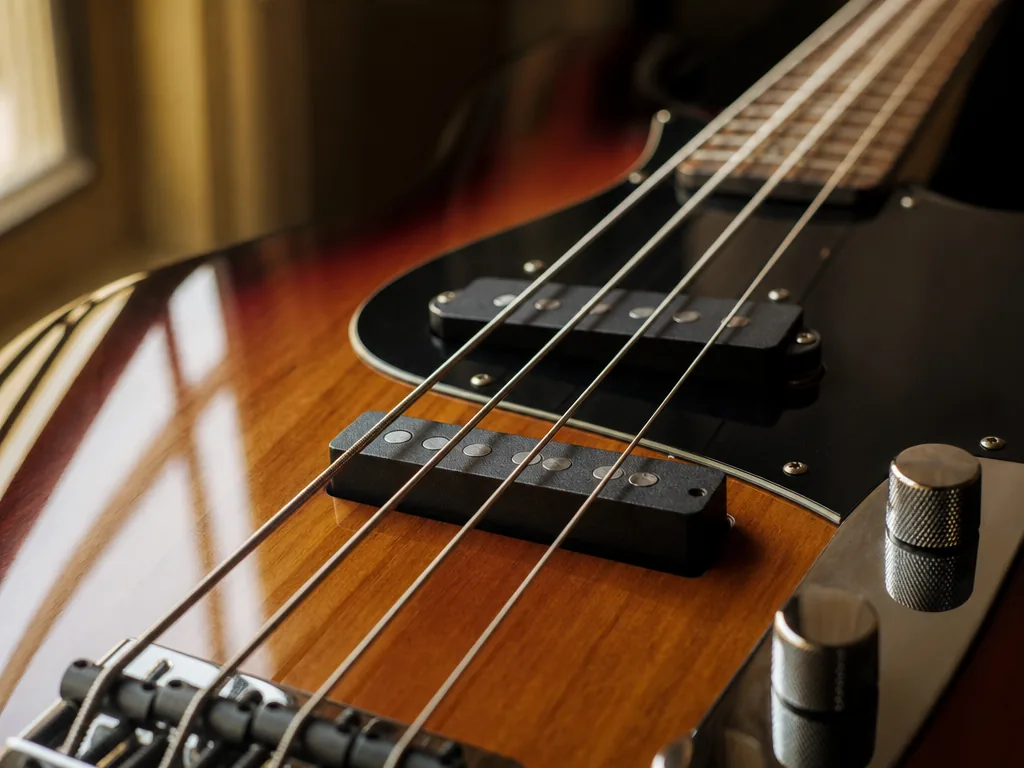
The electric bass is a low-pitched instrument that converts string vibrations into an electrical signal through a pickup. It provides the foundation of rhythm and harmony in music, and has contributed significantly to the development of modern music, particularly rock, jazz, blues, funk and electronic music.
The Early Origins: Development of the Bass Guitar
The origins of the electric bass can be traced back to the double bass of the early 20th century. In the 1920s and 1930s, with the rise of jazz, the double bass began to be modified to provide more volume in large bands; electric guitar technology was introduced and gradually gave rise to the later electric bass.
The Birth of the Electric Bass and Its Golden Age
1940s: The Birth of the Electric Bass
- Mid-1940s——With the invention of Leo Fender, the modern form of the electric bass began to emerge. Fender introduced the world’s first commercially produced electric bass — the Precision Bass. Its birth marked the electric bass’s formal separation from the double bass and its arrival as an important instrument of modern music.
- 1949——The Fender Precision Bass was released, combining the bass register with electric amplification for the first time and changing the way music was performed, allowing the bass to stand out more in large bands.
1950s: Development and Diversification of Bass Styles
- With the popularity of rock and jazz, the bass became the foundational instrument of mainstream music. Bassists began developing a variety of distinctive playing techniques and took on the role of stabilising rhythm and supporting harmony in bands.
1960s–1970s: The Golden Age of the Electric Bass
- With the rise of funk and rock, bass playing underwent revolutionary changes, particularly in tone shaping and technique; many bassists pioneered sound-effect innovations and became an indispensable part of musical style.
The Precision Bass marked the electric bass’s formal separation from the double bass — and its arrival as an important instrument of modern music.
Outstanding Electric Bass Masters and Their Representative Works
The development of the electric bass owes much to these remarkable bassists, whose innovative styles and techniques not only changed the sound of the bass but also left a deep mark on music history. Here are several musicians who have had a profound influence in the field of the electric bass and their representative works.
1. James Jamerson (1936–1983)
- Nationality——American
- Contributions——James Jamerson was the defining bassist of Motown, hailed as “one of the founders of modern bass playing”. His style was unique and creative, with a profound influence on the development of pop and R&B music.
- Representative works——What’s Going On (Marvin Gaye): Jamerson’s bass line plays a key role, contributing greatly to the song’s emotional expression and rhythmic drive. I Heard It Through the Grapevine (Marvin Gaye): the bass line became a classic, showcasing Jamerson’s highly creative technique.
2. John Entwistle (1944–2002)
- Nationality——British
- Contributions——As the bassist of The Who, Entwistle was hailed as a revolutionary of the bass. Known for his fast, technically demanding style, he pushed bass playing to unprecedented heights.
- Representative works——My Generation (The Who): the bass solo showcases Entwistle’s superb technique and innovative style, a classic of rock history. Baba O’Riley (The Who): the interplay between bass and keyboards creates a dynamic atmosphere and has become a symbol of rock music.
3. Paul McCartney (b. 1942)
- Nationality——British
- Contributions——As the bassist of The Beatles, Paul McCartney’s style was not only innovative but also brought the bass into a wide range of musical styles. One of the most influential bassists in music history, his bass lines became the foundation of countless classic songs.
- Representative works——Come Together (The Beatles): the bass line became a classic of pop music history, showcasing McCartney’s unique understanding and creativity. Something (The Beatles): the bass playing is full of emotion and, together with the guitar, became a highlight of the song.
4. Victor Wooten (b. 1964)
- Nationality——American
- Contributions——Victor Wooten is one of the most influential contemporary bass masters. His innovative techniques such as slapping, sliding and fast playing have taken bass technique to a new level. His style spans jazz, funk and fusion and more.
- Representative works——More Love (Victor Wooten): showcases his distinctive fingering technique and musical creativity, a classic of modern bass playing. The Sinister Minister (Béla Fleck and the Flecktones): Wooten’s bass technique is widely praised as a pinnacle of modern bass playing.
5. Flea (b. 1962)
- Nationality——American
- Contributions——As the bassist of the Red Hot Chili Peppers, Flea’s style combines funk, rock and punk elements, making his bass playing a hallmark of modern music. His distinctive tone and technique have profoundly influenced pop music and later bassists.
- Representative works——Give It Away (Red Hot Chili Peppers): the bass line is dynamic, showcasing Flea’s funk-influenced technique. Under the Bridge (Red Hot Chili Peppers): the bass melody is emotional and blends perfectly with the guitar, a classic of the band.
Classic Electric Bass Works Recommended
These landmark recordings are an ideal starting point for students and parents to hear how the electric bass anchors rhythm and harmony across different styles.
| Composer/Musician | Work | Style | Characteristics |
|---|---|---|---|
| James Jamerson | What’s Going On | R&B, soul | An innovative, emotionally rich bass line |
| John Entwistle | My Generation | Rock | A fast, technically demanding bass solo |
| Paul McCartney | Come Together | Rock | A simple yet emotionally rich bass melody |
| Victor Wooten | More Love | Fusion | Innovative fingering technique and profound musical expression |
| Flea | Give It Away | Funk, rock | Funk-style bass playing, dynamic and creative |
Frequently Asked Questions (FAQ)
Q: What is the difference between an electric bass and a double bass?
Both are low-pitched instruments, but the electric bass uses a pickup to convert string vibrations into an electrical signal and is typically played horizontally with frets, while the double bass is a large acoustic upright instrument. The electric bass was designed to be more portable and to stand out more clearly in large, amplified bands.
Q: Who invented the electric bass?
Leo Fender is credited with introducing the world’s first commercially produced electric bass, the Precision Bass, in the mid-1940s. Its release in 1949 combined the bass register with electric amplification for the first time, formally separating the electric bass from the double bass.
Q: What techniques are most important for bassists?
Foundational skills include steady rhythm and groove, plus techniques such as slapping, sliding and fast playing pioneered by players like Victor Wooten. Bassists also learn tone shaping, which grew dramatically during the funk and rock era of the 1960s and 1970s.
Q: What should a beginner bassist focus on first?
Start with the role the bass plays — stabilising rhythm and supporting harmony — then build a reliable sense of timing and groove. Listening to classic bass lines, such as Jamerson’s work on What’s Going On or McCartney’s on Come Together, is one of the best ways to develop feel and musicality.
Further Resources & Next Steps
- Official Resources——The official Fender website offers a detailed history of the Precision Bass and other instruments, plus beginner guides for new players.
- Further Reading——Biographies and interviews with James Jamerson, John Entwistle, Paul McCartney, Victor Wooten and Flea are widely available and offer deeper insight into each player’s technique and influence.
- Parent Tips——Encourage daily listening to the classic works above and keep practice focused on steady rhythm and groove before advanced techniques.
Note: The information above is for reference only. Please consult professional education institutions for details.
This article was initially drafted and organised with AI. Editor / Professor Chan Kwok-wai; Managing Editor / Kong Yee-leung
Act Now: Find a Tutor / Register as a Tutor
For parents & students: looking for a home or online tutor for this subject? Click the button below to post a free tuition case (subject, level and preferred time) — TutorZone will match you with suitable tutors:
For tutors: do you teach this subject? Click the button below to register for free and receive more suitable cases — you pay only when a match is made: