
 Chinese (Traditional)
 Chinese (Simplified)
 English



The origin of Chinese chess
TUTORZONE SUBJECT GUIDE · HOBBIES
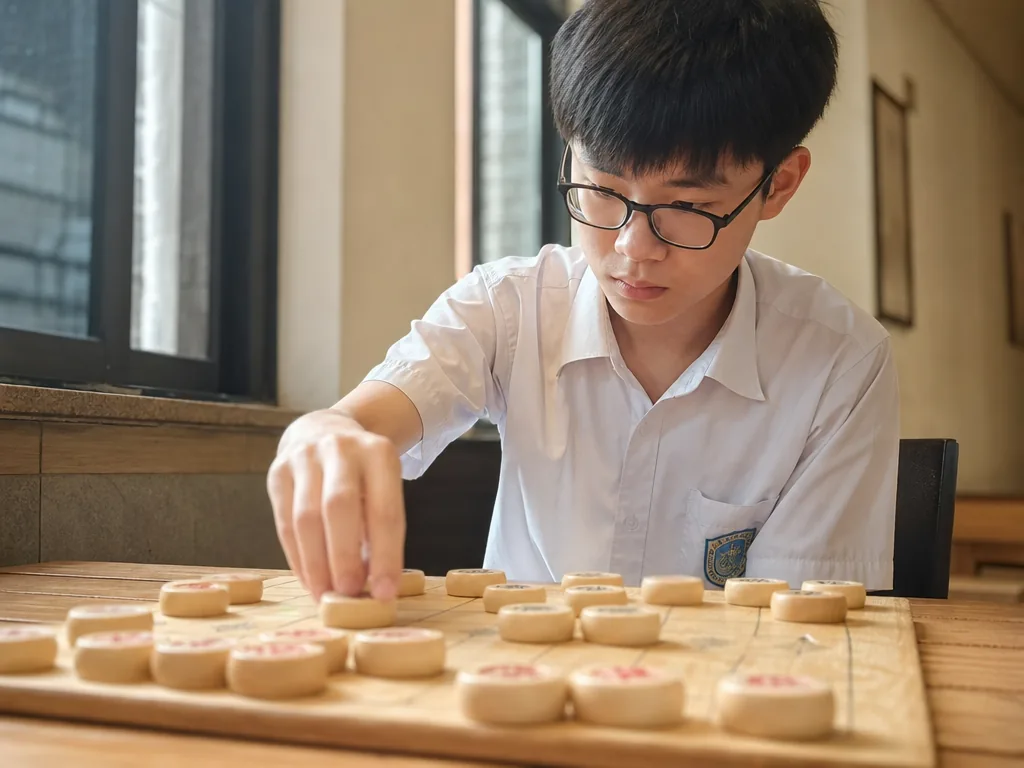
Chinese chess — also known as Xiangqi — is a board game with a long history that has been passed down for millennia and remains popular throughout China and East Asia. As one of China’s national games, Xiangqi is not only a game of intellectual skill but also imbued with Chinese culture, philosophy, and history.
Direct Answer:What is the origin of Chinese chess?
Chinese chess (Xiangqi) is a board game with a long history, passed down for millennia and still popular in China and East Asia.
The Origin of Chinese Chess
The Earliest Origin of Chess: From Ancient Wars
The origins of Chinese chess can be traced back to the Spring and Autumn Period and the Warring States Period in the 5th century BC. At that time, the rudiments of Chinese chess were closely associated with ancient war strategies. Early versions were less formalized than the chess of today, instead simulating military command and combat, and were used for military training and exercises.
According to historical documents such as the Zuo Zhuan, nobles and military officers at the time would sometimes use chess-like games to simulate military deployments and strategies in battle. Such games helped deepen their understanding of military tactics and train leaders in decision-making.
The Origin of the Name “Xiangqi”
The character “xiang” in Chinese chess originally meant “symbol” or “representation,” representing the formation and deployment of armies on the ancient chess board. Therefore, the name “Xiangqi” suggests that it is a symbolic, simulated military game that embodies the wisdom of military strategy and tactics.
The Development and Evolution of Xiangqi Rules
Early Forms of Chess: “Xiangxi” and “Xiangxingqi”
According to historians, the earliest forms of Xiangqi may have been “xiangxi” or “xiang-shaped chess.” While the rules of these early versions were not fully developed, they contained the basic elements of simulating military operations and troop movements. These games typically featured a board and pieces representing armies, though the number of pieces and the number of moves were less standardized than modern Xiangqi.
Pictographic chess is a relatively simple chess game. The shapes and names of the chess pieces are mostly related to military units, symbolizing the military configuration at that time.
Development During the Qin and Han Dynasties
During the Qin and Han dynasties (3rd century BC to 3rd century AD), Xiangqi gradually entered a more standardized stage. Historical records indicate that a relatively complete system of chessboards and pieces existed, gradually gaining acceptance among civilians and the military. The number and positioning of pieces had already taken shape, beginning to resemble the structure of modern Xiangqi.
Transformation and Establishment During the Tang and Song Dynasties
During the Tang and Song dynasties (7th to 13th centuries AD), the rules of Xiangqi matured and became more refined. During this period, the rules of Xiangqi gradually became fixed and widely circulated. Emperor Gaozong of the Tang Dynasty, Li Zhi, standardized the rules and form of Xiangqi, making it a prominent form of entertainment for the court and among scholars.
By the Song Dynasty, the chessboard had become fixed at 9×10 squares, and the types of pieces and rules gradually became consistent with modern chess. During this period, the name and gameplay of chess gradually took shape, and it began to become a common social activity and entertainment.
The Development and Cultural Implications of Xiangqi
The Cultural Connotation of Chess
Xiangqi is more than just a game; it is an activity steeped in cultural and philosophical thought. Its board and piece configurations reflect traditional Chinese military strategy, yin and yang, and the Five Elements. The movement rules and functions of each piece are closely tied to Chinese military tactics and philosophical thought.
The “General”
Represents the monarch or leader, symbolizing ruling power and strategy.
“Shi” and “Xiang”
Represent high-ranking commanders and soldiers in the army.
“Chariot” and “Horse”
Symbolize the army’s heavy troops and light cavalry.
In the game, the arrangement and movement of chess pieces often involve Chinese military strategies, such as surprise attacks and roundabout tactics, which makes Xiangqi not only a game of pieces but also a contest of wits and strategies.
The Connection Between Chess and Military Strategy
The development of Xiangqi is also closely tied to ancient Chinese military tactics. Many tactics and strategies in Xiangqi originate from those used by renowned ancient Chinese generals. For example, the “luring the enemy deep” and “false and real” strategies in Sun Tzu’s Art of War are similar to Xiangqi techniques for using illusions to confuse the opponent and break through their defenses.
The Development and Popularization of Modern Xiangqi
The Rules of Chess Are Unified
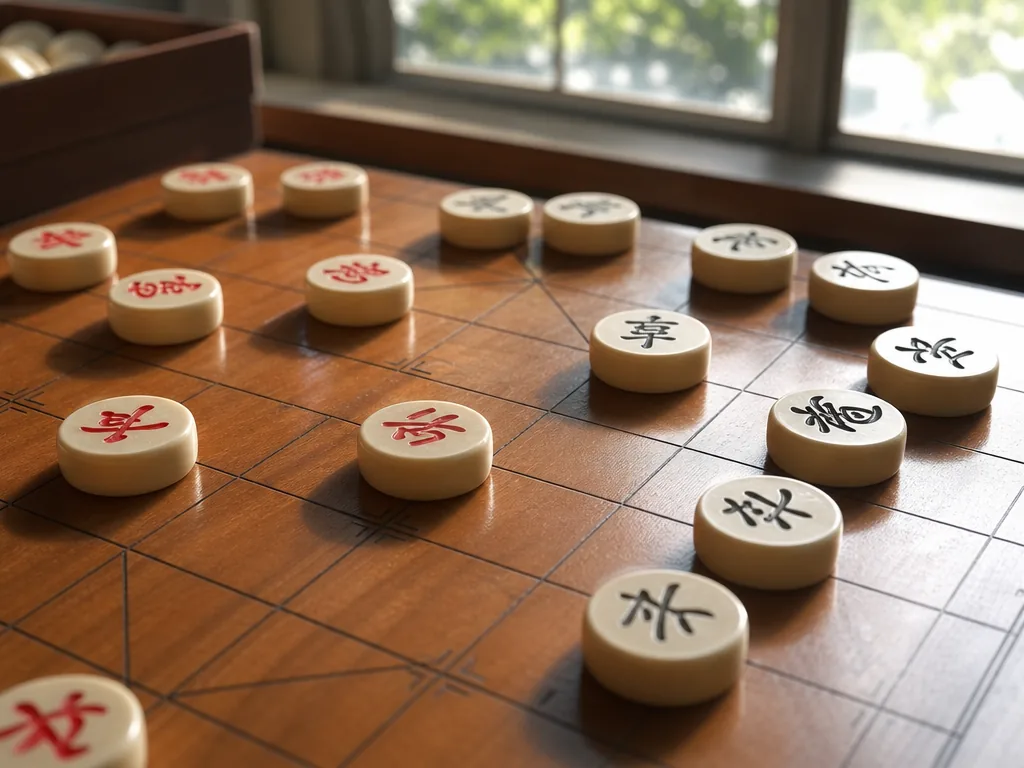
Over time, the rules of Chinese chess gradually became standardized. By the early 20th century, the rules of Chinese chess were further standardized and began to be promoted nationwide. At this time, the rules of Chinese chess competition also became fixed, with detailed regulations governing the number of squares on the board, the number of pieces, and the rules of movement.
Internationalization of Xiangqi
Despite its immense popularity in China, Chinese chess has been relatively slow to gain international recognition. With the development of modern technology, many chess enthusiasts have introduced this traditional game to other parts of the world. Today, Chinese chess has gained considerable influence in East and Southeast Asia, and is gradually becoming a part of international chess culture.
Frequently Asked Questions (FAQ)
Q: Where did Chinese chess originate?
Its origins can be traced back to the Spring and Autumn Period and the Warring States Period, around the 5th century BC, when chess-like games simulated military deployments and were used for training and exercises.
Q: What does the name “Xiangqi” mean?
The character “xiang” originally meant “symbol” or “representation,” so the name suggests a symbolic, simulated military game that embodies the wisdom of military strategy and tactics.
Q: When did the rules of Xiangqi become fixed?
The board became fixed at 9×10 squares during the Song Dynasty, and the rules were further standardized and promoted nationwide by the early 20th century.
Q: How is Xiangqi connected to military strategy?
Many Xiangqi tactics originate from ancient Chinese generals and mirror strategies in Sun Tzu’s Art of War — such as “luring the enemy deep” and using illusions to confuse the opponent and break through their defenses.
Further Resources & Next Steps
- Official Resources——The Asian Xiangqi Federation (AXF) and the World Xiangqi Federation (WXF) publish official rules, tournament calendars, and introductory guides for new players.
- Further Reading——Books such as “Chinese Chess: An Introduction to China’s Ancient Game of Strategy” by H. T. Lau offer a beginner-friendly tour of the game’s rules and history.
- Parent Tips——Start with the movement of each piece and play short practice games with your child to build tactical thinking and patience before moving on to formal strategies.
Note: The information above is for reference only. Please consult professional education institutions for details.
This article was initially drafted and organised with AI. Editor / Professor Chan Kwok-wai; Managing Editor / Kong Yee-leung
Act Now: Find a Tutor / Register as a Tutor
For parents & students: looking for a home or online tutor for this subject? Click the button below to post a free tuition case (subject, level and preferred time) — TutorZone will match you with suitable tutors:
For tutors: do you teach this subject? Click the button below to register for free and receive more suitable cases — you pay only when a match is made: