
 Chinese (Traditional)
 Chinese (Simplified)
 English



What Is AP Studio Art: 2-D Design? A Complete Guide for High School Students
TUTORZONE SUBJECT GUIDE · AP
AP Studio Art: 2-D Design is a College Board Advanced Placement course built around one thing — a portfolio of your own two-dimensional artwork. This guide breaks down the course structure, the three portfolio sections, and why the class is a powerful choice for any high school student heading toward design school.
Direct Answer:What is AP Studio Art: 2-D Design?
AP Studio Art: 2-D Design is a College Board AP course centered on a portfolio of your own two-dimensional artwork.
Overview of AP Studio Art: 2-D Design
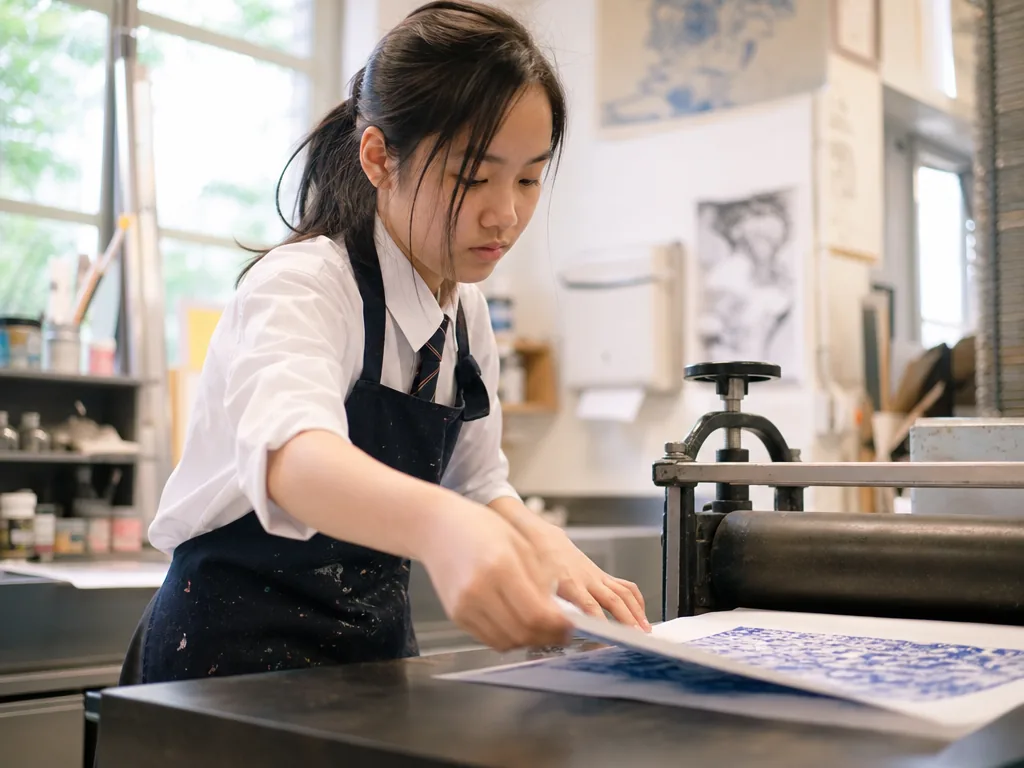
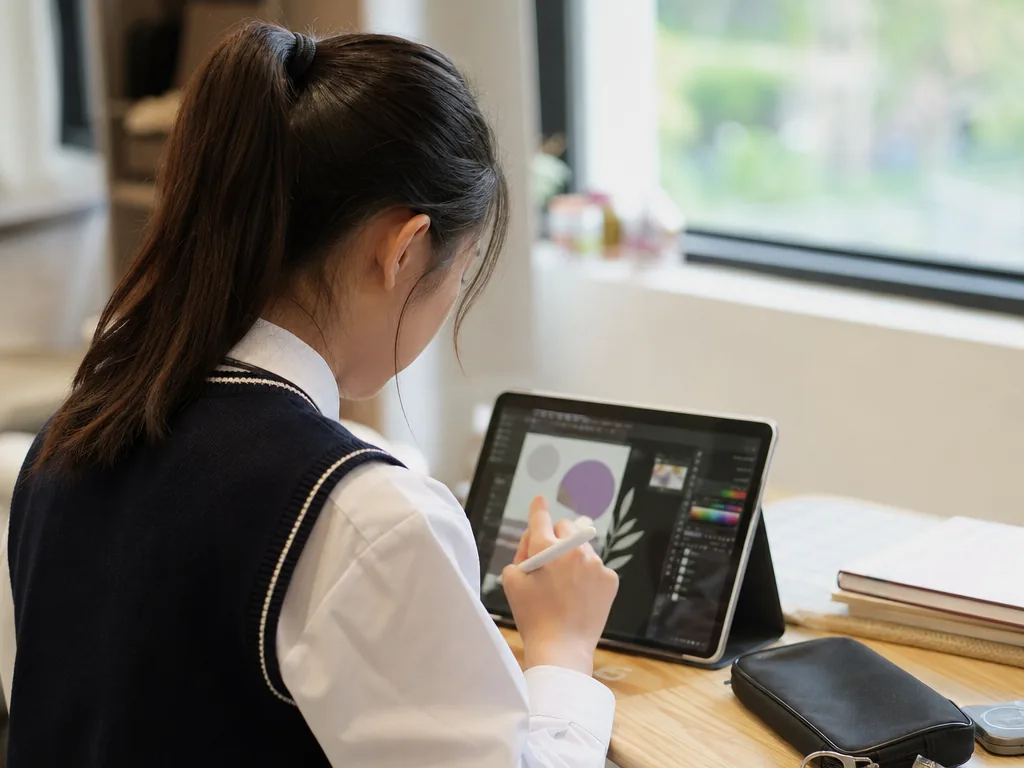
AP Studio Art: 2-D Design is an Advanced Placement (AP) course offered by the College Board in the United States. It is designed for high school students who are interested in exploring and developing their skills in two-dimensional art and design, including digital art, photography, illustration, printmaking and other flat media.
Unlike traditional AP courses that rely on written exams, AP Studio Art: 2-D Design focuses on the creation and submission of a portfolio to demonstrate students’ technical proficiency, creative thinking and artistic development.
In this comprehensive guide, we’ll cover the course structure, portfolio requirements, learning outcomes and the benefits of taking AP Studio Art: 2-D Design.
The course is ideal for students who are passionate about graphic design, visual communication and creative expression. It encourages exploration of various media while developing a personal artistic voice, and students learn how to apply design principles and visual elements to create meaningful and visually compelling artwork.
What Does AP Studio Art: 2-D Design Cover?
1. Design Principles and Techniques
Students learn to apply key design principles such as contrast, balance, repetition, rhythm, proportion, emphasis and visual hierarchy. These foundational concepts help students create well-structured and impactful artwork.
Mediums may include:
- Digital media
- Photography
- Collage
- Printmaking
- Mixed media
2. Use of Visual Elements
The course emphasizes the intentional use of line, shape, color, texture and space. Students explore how these elements contribute to both aesthetic quality and visual communication.
3. Portfolio Development
The final AP score is based entirely on a submitted portfolio, which is divided into three sections:
- Quality: High-level finished pieces showing mastery of technique and design.
- Investigation: Works that explore creative processes, ideas, experimentation and techniques.
- Selection: A curated group of artworks that best reflect the student’s individual style and design voice.
4. Creative Expression and Design Thinking
Students are encouraged to solve problems visually and communicate personal ideas through their work. The course develops critical thinking and challenges students to push their creative boundaries.
Learning Objectives
Develop Advanced Design Skills
Gain hands-on experience in applying design principles and working with diverse 2-D media.
Enhance Creative Thinking
Learn how to turn personal ideas, messages and emotions into visually powerful artwork.
Build a Professional Portfolio
Create a college-ready portfolio that showcases technical skills, creative growth and artistic identity.
Improve Critical Reflection
Learn to analyze and evaluate your own artwork to refine ideas and techniques over time.
Portfolio Structure: Quality, Investigation and Selection
Unlike other AP courses, there is no written exam. Students submit a digital portfolio that is evaluated based on three sections:
Your AP score rests entirely on the portfolio you submit — not on any written exam.
Quality Section
- Five selected works showing the highest level of design and execution.
- Focuses on craftsmanship, innovation and mastery of techniques.
Investigation Section
- Includes sketches, drafts and exploratory work showing artistic development and experimentation.
- Demonstrates creative process and research.
Selection Section
- A cohesive group of artworks highlighting the student’s voice, visual decisions and thematic development.
- Often considered the most personal and expressive section.
Why Take AP Studio Art: 2-D Design?
- Strengthen Design and Artistic Skills——Gain practical knowledge that’s directly applicable to careers in graphic design, advertising, digital media and more.
- Foster Creativity and Visual Communication——Students express themselves through visual storytelling and learn how to communicate ideas effectively.
- Build a College-Ready Art Portfolio——Essential for applying to design schools or university-level art programs.
- Develop Critical Thinking and Self-Reflection——Students improve through critique and reflection, learning how to assess their own work from a designer’s perspective.
Final Thoughts
AP Studio Art: 2-D Design is an excellent course for high school students interested in visual design, creative expression and artistic exploration. By taking this course, students not only master essential design principles but also develop a portfolio that reflects their artistic journey. Whether you’re planning to pursue a career in design or simply want to expand your creative skill set, this course provides valuable experience and personal growth.
Search terms: AP Studio Art 2D Design course, what is AP Studio Art, AP 2D Design portfolio tips, AP art class for high school students, visual art courses for college prep, high school art portfolio advice, AP Studio Art digital media, AP 2D Design curriculum explained.
Frequently Asked Questions (FAQ)
Q: Is AP Studio Art: 2-D Design hard?
Yes — the course requires significant time and effort to develop concepts and complete high-quality work. Students must be willing to revise and refine their pieces through ongoing feedback.
Q: Do I need an art background to enroll?
Not necessarily. While prior art experience helps, the course is open to any student with an interest in design and creativity. Effort and passion are more important than previous training.
Q: How do I prepare my AP art portfolio?
Start early and work steadily throughout the year. Practical steps include:
- Create consistently throughout the year
- Seek feedback from teachers and peers
- Document your creative process (including sketches, research and revisions)
- Focus on showcasing personal style and growth
Q: Is there a written exam for AP Studio Art: 2-D Design?
No. The final AP score is based entirely on the digital portfolio you submit, evaluated across the Quality, Investigation and Selection sections.
Further Resources & Next Steps
- Official Resources——The College Board’s AP Central website (apcentral.collegeboard.org) provides the official course description, portfolio requirements and submission deadlines.
- Further Reading——The Non-Designer’s Design Book by Robin Williams is a friendly, practical introduction to the design principles covered in the course.
- Parent Tips——Encourage your child to keep a visual journal and photograph finished work; consistent practice and honest self-reflection matter far more than rushing a portfolio in the final month.
Note: The information above is for reference only. Please consult professional education institutions for details.
This article was initially drafted and organised with AI. Editor / Professor Chan Kwok-wai; Managing Editor / Kong Yee-leung
Act Now: Find a Tutor / Register as a Tutor
For parents & students: looking for a home or online tutor for this subject? Click the button below to post a free tuition case (subject, level and preferred time) — TutorZone will match you with suitable tutors:
For tutors: do you teach this subject? Click the button below to register for free and receive more suitable cases — you pay only when a match is made: