
 Chinese (Traditional)
 Chinese (Simplified)
 English



What is AP Studio Art: Drawing? A Complete Guide for High School Students
TUTORZONE SUBJECT GUIDE · AP
AP Studio Art: Drawing is an Advanced Placement course that builds advanced drawing skills and a personal artistic style through a portfolio-based assessment — there is no written exam. This guide walks through the curriculum, learning objectives, assessment structure, benefits, and answers to common questions.
Direct Answer:What is AP Studio Art: Drawing?
AP Studio Art: Drawing is an AP course that builds advanced drawing skills and personal style through portfolio assessment, with no written exam.
What Is AP Studio Art: Drawing?
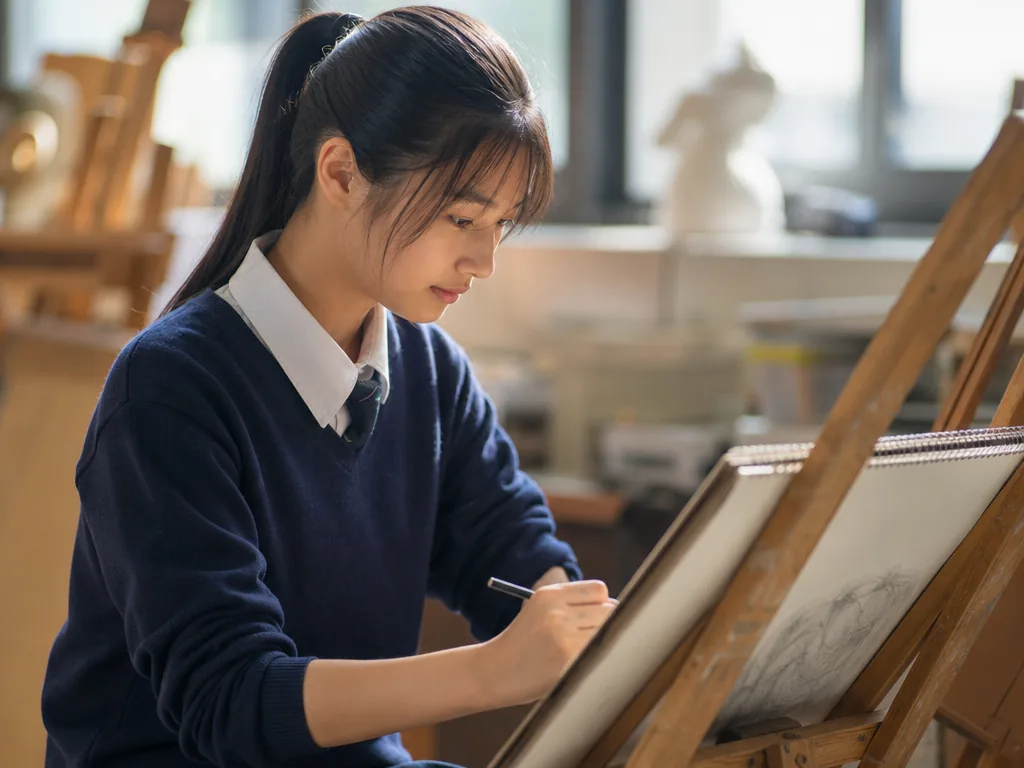
AP Studio Art: Drawing is an Advanced Placement course designed for high school students who wish to enhance their drawing skills and develop a personal artistic style. Unlike most AP subjects, this course does not have a traditional written exam. Instead, students are assessed through a portfolio submission that showcases their technical ability, creativity, and artistic growth.
This course is ideal for students who are passionate about art and interested in pursuing further education or a career in the visual arts.
AP Studio Art: Drawing Curriculum Overview
1. Technical Drawing Skills
Students will build a strong foundation in essential drawing techniques, such as:
- Sketching and shading
- Proportions and perspective
- Color theory and composition
They will also explore a variety of artistic media, including graphite, charcoal, colored pencils, watercolor, ink, and oil pastels. Mastery of these tools is key to creating visually impactful artwork.
2. Creative Development and Personal Expression
Students are encouraged to think creatively and produce artwork that reflects their personal voice and unique perspective. This aspect of the course emphasizes:
- Emotional and conceptual expression through art
- Experimentation with themes, visual elements, and artistic styles
- Storytelling and idea development using visual media
3. Portfolio Development
The final assessment is based entirely on the student’s portfolio, which includes multiple original artworks created during the course. The portfolio demonstrates:
- Technical progress
- Artistic exploration
- The evolution of personal style
The portfolio consists of three major sections:
- Quality: A selection of the student’s best pieces that showcase strong technical skill and creativity
- Sustained Investigation: Works that reflect a deep exploration of a central idea or theme through a series of artworks
- Selected Works: A curated collection of artworks that highlight the student’s range, voice, and aesthetic decisions
4. Art Critique and Reflection
Students will engage in peer and instructor critiques, learning how to analyze and reflect on their own work and others’. This reflective practice helps students:
- Refine their techniques
- Understand their artistic intent
- Develop a mature and confident artistic voice
Learning Objectives of AP Studio Art: Drawing
Enhance Drawing Techniques
Gain proficiency in various technical skills such as line, texture, shading, composition, and color application.
Develop Creative Thinking
Learn how to convey complex ideas, emotions, and narratives through visual art.
Build a Strong Portfolio
Prepare a high-quality portfolio that can be used for AP scoring and college applications.
Foster Self-Reflection and Critical Thinking
Analyze and improve artwork through thoughtful critique and ongoing revisions.
AP Studio Art: Drawing Assessment Structure
No Exam — Portfolio-Based Evaluation
AP Studio Art: Drawing is unique because there is no written exam. Instead, students submit a digital portfolio to the College Board, which is reviewed by experienced AP Art educators.
Portfolio Structure
The portfolio is divided into:
| Portfolio Component | What You Submit |
|---|---|
| Quality (Selected Works) | Five physical pieces that demonstrate mastery of drawing skills and artistic decision-making |
| Sustained Investigation | 15 digital images exploring a personal theme, including process work and final artworks |
| Selected Works | Five digital images selected from the student’s best work, showing a breadth of styles and techniques |
Scoring Criteria
Portfolios are assessed based on:
- Technical ability and skill with materials
- Creativity and expressive intent
- Visual impact and depth of artistic vision
- Growth and progression throughout the course
Benefits of Taking AP Studio Art: Drawing
- Professional-Level Skill Development——Learn techniques used by college-level and professional artists.
- Creative Thinking and Innovation——Gain confidence in expressing ideas through original artwork.
- Improved Self-Awareness and Reflection——Understand your artistic identity through feedback and critique.
- College and Career Preparation——Build a portfolio that strengthens college applications for art and design programs.
Final Thoughts
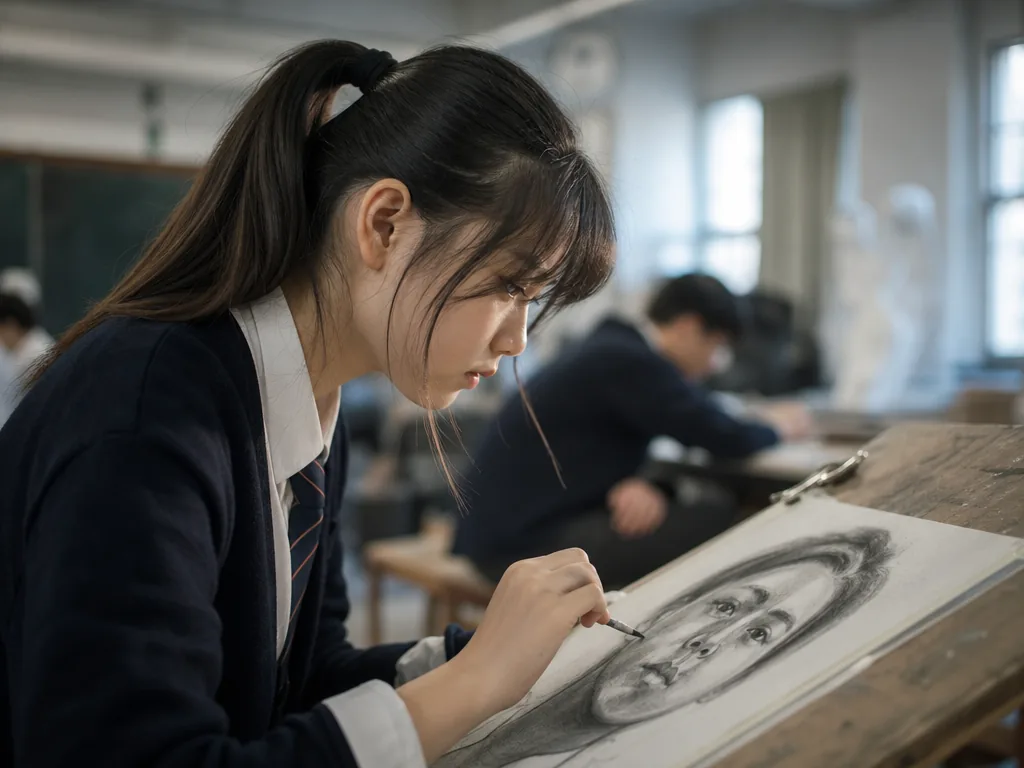
AP Studio Art: Drawing is more than just a high school art class—it’s an immersive, portfolio-based program that helps students discover and refine their artistic voice. Whether you’re planning to pursue art in college or simply want to build advanced drawing skills, this course provides the tools, experience, and creative space to thrive as a young artist.
This course provides the tools, experience, and creative space to thrive as a young artist.
Frequently Asked Questions (FAQ)
Q: How difficult is AP Studio Art: Drawing?
This course is challenging and time-intensive. It requires a strong commitment to regular practice, experimentation, and reflection. Students should be ready to create, revise, and critique their work consistently.
Q: Do I need prior experience to take AP Studio Art: Drawing?
There are no formal prerequisites, but students with a background in basic drawing or visual arts will have an advantage. Familiarity with sketching, shading, and using different art materials is helpful.
Q: How do I prepare for the AP Studio Art portfolio?
To prepare effectively, you should:
- Create artwork regularly and try different themes and techniques
- Seek feedback from art teachers and peers
- Document your creative process, including sketches and idea development
- Continuously refine your pieces based on critique and self-reflection
Q: How is AP Drawing different from AP 2-D and AP 3-D Art and Design?
All three are portfolio-based, but each has a different focus: AP Drawing centres on mark-making, line, and surface; AP 2-D Art and Design explores graphic and visual design across media; and AP 3-D Art and Design focuses on spatial and sculptural work. Your choice depends on the medium and ideas you want to explore.
Further Resources & Next Steps
- Official Resources——The College Board’s AP Art and Design pages (apstudents.collegeboard.org) for portfolio requirements, scoring guidelines, and submission deadlines.
- Further Reading——Review the official AP Art and Design course description and sample scored portfolios to understand the Quality, Sustained Investigation, and Selected Works sections.
- Related Articles——Top AP Courses for Creative Students in High School; How to Build a Winning Art Portfolio for College Admissions; Exploring AP Art and Design: Drawing vs. 2D vs. 3D.
- Parent Tips——Provide a dedicated workspace and a steady supply of art materials, and encourage consistent, documented practice rather than last-minute portfolio building.
Note: The information above is for reference only. Please consult professional education institutions for details.
This article was initially drafted and organised with AI. Editor / Professor Chan Kwok-wai; Managing Editor / Kong Yee-leung
Act Now: Find a Tutor / Register as a Tutor
For parents & students: looking for a home or online tutor for this subject? Click the button below to post a free tuition case (subject, level and preferred time) — TutorZone will match you with suitable tutors:
For tutors: do you teach this subject? Click the button below to register for free and receive more suitable cases — you pay only when a match is made: