
 Chinese (Traditional)
 Chinese (Simplified)
 English



What is IGCSE Geography?
TUTORZONE SUBJECT GUIDE · IGCSE
IGCSE Geography is Cambridge’s international geography course for students aged around 14 to 16, weaving together physical landscapes, human environments, and essential map and data skills. This guide walks through the full curriculum, exam structure, and how to prepare — and shows why it is an outstanding foundation for IB, A-Level, and humanities studies.
Direct Answer:What is IGCSE Geography?
IGCSE Geography is Cambridge’s international course for ages 14-16, covering landscapes, environments, and map/data skills.
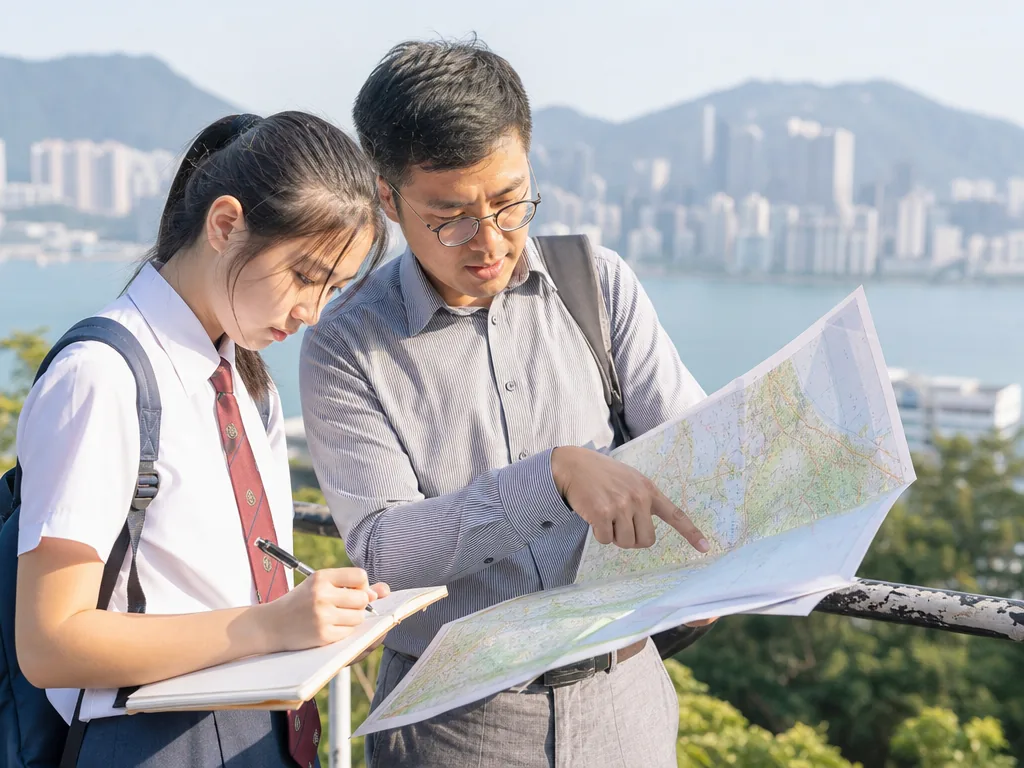
What Is IGCSE Geography?
IGCSE Geography (International General Certificate of Secondary Education Geography) is an international secondary school geography curriculum offered by Cambridge Assessment International Education (CAIE), designed for students aged approximately 14 to 16. This course aims to develop students’ understanding of the interactions between physical environments, human activities, and natural landforms, while cultivating global perspectives and critical thinking skills.
IGCSE Geography covers Physical Geography and Human Geography, with a strong emphasis on map reading, graph interpretation, and data handling. It serves as an excellent foundation for IB Geography, A-Level Geography, and other humanities-related studies.
Key Topics in the IGCSE Geography Curriculum
1 · Physical Geography
- Landforms & plate tectonics——volcanoes, earthquakes, and mountains.
- Weather & climate systems——tropical storms and monsoon climates.
- River & coastal landscapes——how water shapes the land.
- Ecosystems——deserts and rainforests.
2 · Human Geography
- Population dynamics & migration.
- Urbanisation & city structures.
- Agricultural & industrial development.
- Globalisation, tourism & sustainable development.
3 · Geographical Skills & Fieldwork
- Map reading & scale application.
- Interpreting charts, graphs & data.
- Fieldwork planning & data analysis techniques.
IGCSE Geography Exam Structure (CAIE)
| Paper | Focus | Duration | Marks |
|---|---|---|---|
| Paper 1: Geographical Themes | Physical and human geography topics with structured questions | 1 hr 45 mins | 75 |
| Paper 2: Geographical Skills | Map reading, data interpretation, and graphical analysis | 1 hr 30 mins | 60 |
| Paper 4: Alternative to Coursework | Simulated field study process and analysis for students who do not complete actual fieldwork | 1 hr 30 mins | 60 |
Grades range from A* to G. Students may choose between Core and Extended levels, depending on their ability and academic goals.
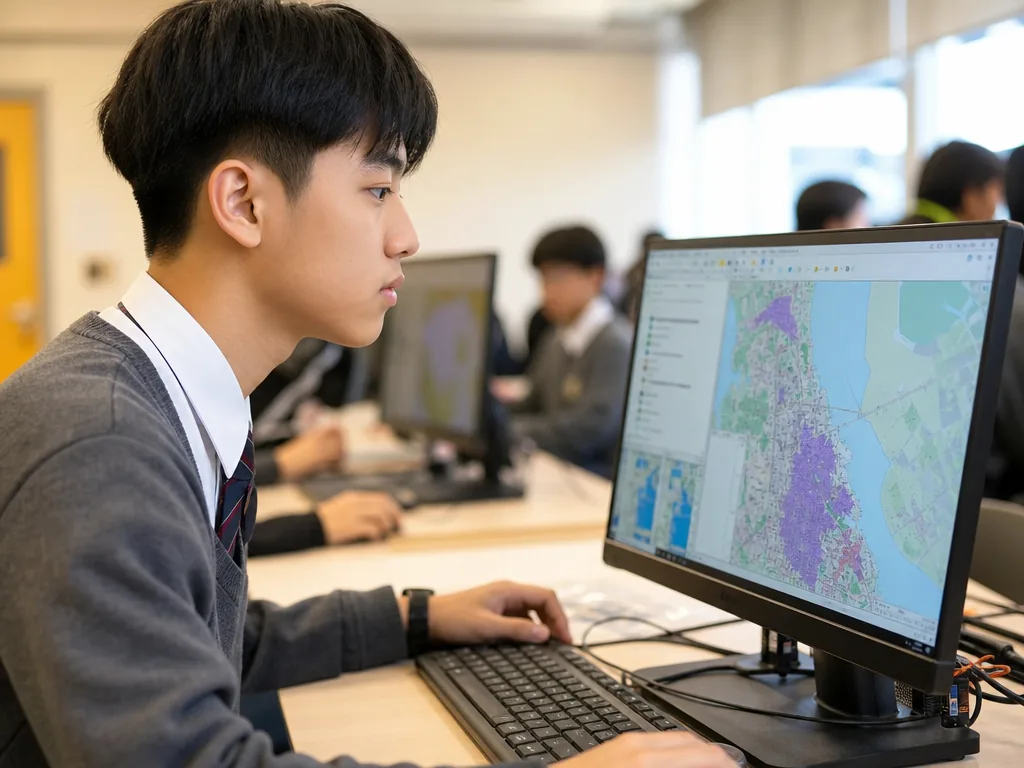
Further Education & Career Value of IGCSE Geography
Geography is the subject that teaches you how the physical world and human societies shape one another — a skill every university and career values.
- Builds a strong foundation——for IB Geography or A-Level Geography.
- Opens real careers——university majors and careers in urban planning, environmental science, tourism, and sustainability.
- Develops transferable skills——spatial awareness, environmental consciousness, interdisciplinary thinking, and problem-solving abilities.
Who Should Study IGCSE Geography?
- Nature & environment enthusiasts——students interested in global issues such as climate change and urban development.
- Data-savvy learners——students with strong skills in map reading, data interpretation, observation, and analysis.
- Future specialists——those planning to pursue environmental studies, humanities, earth sciences, or sustainability-related degrees.
- Global thinkers——learners seeking to enhance critical thinking and cross-cultural understanding.
Tips for Preparing for IGCSE Geography
- Review by topic——organise key terms and concepts as you go.
- Practise past papers——especially Paper 2 (maps and data interpretation).
- Understand the fieldwork process——even for Paper 4 (alternative to coursework).
- Use trusted resources——Cambridge IGCSE Geography Revision Guide, Geography All the Way, and BBC Bitesize Geography.
Frequently Asked Questions (FAQ)
Q: What is the difference between Core and Extended in IGCSE Geography?
Core covers the essential syllabus and allows grades from C to G, while Extended adds more advanced content and opens the full A* to G range. Most students aiming for A-Level or IB Geography take the Extended route.
Q: Do I need to complete real fieldwork to pass?
No. If you do not complete actual fieldwork, you can sit Paper 4 (Alternative to Coursework), which simulates the field study process and analysis.
Q: How is IGCSE Geography useful beyond school?
It builds spatial awareness, data interpretation, and interdisciplinary thinking, and feeds directly into university majors and careers in urban planning, environmental science, tourism, and sustainability.
Q: Which paper should I practise most?
Paper 2 (Geographical Skills) is where many students drop marks, as it tests map reading, data interpretation, and graphical analysis. Prioritise past papers here alongside your topic revision.
Further Resources & Next Steps
- Official Resources——Cambridge Assessment International Education (CAIE) syllabus and specimen papers.
- Further Reading——Cambridge IGCSE Geography Revision Guide and Geography All the Way.
- Parent Tips——encourage regular past-paper practice at home and discuss real-world geography in the news, from weather events to urban planning, to build enthusiasm and context.
Note: The information above is for reference only. Please consult professional education institutions for details.
This article was initially drafted and organised with AI. Editor / Professor Chan Kwok-wai; Managing Editor / Kong Yee-leung
Act Now: Find a Tutor / Register as a Tutor
For parents & students: looking for a home or online tutor for this subject? Click the button below to post a free tuition case (subject, level and preferred time) — TutorZone will match you with suitable tutors:
For tutors: do you teach this subject? Click the button below to register for free and receive more suitable cases — you pay only when a match is made: