 Chinese (Traditional)
 Chinese (Simplified)
 English



What is IGCSE Religious Studies?
TUTORZONE SUBJECT GUIDE · IGCSE
IGCSE Religious Studies explores the beliefs, ethical questions, and philosophical ideas behind the world’s major religions. It builds critical thinking, empathy, and cultural awareness — an ideal foundation for students heading toward humanities and global citizenship.
Direct Answer:What is IGCSE Religious Studies?
IGCSE Religious Studies explores ethics, beliefs, and philosophy of major religions, building empathy and cultural awareness.

What Is IGCSE Religious Studies?
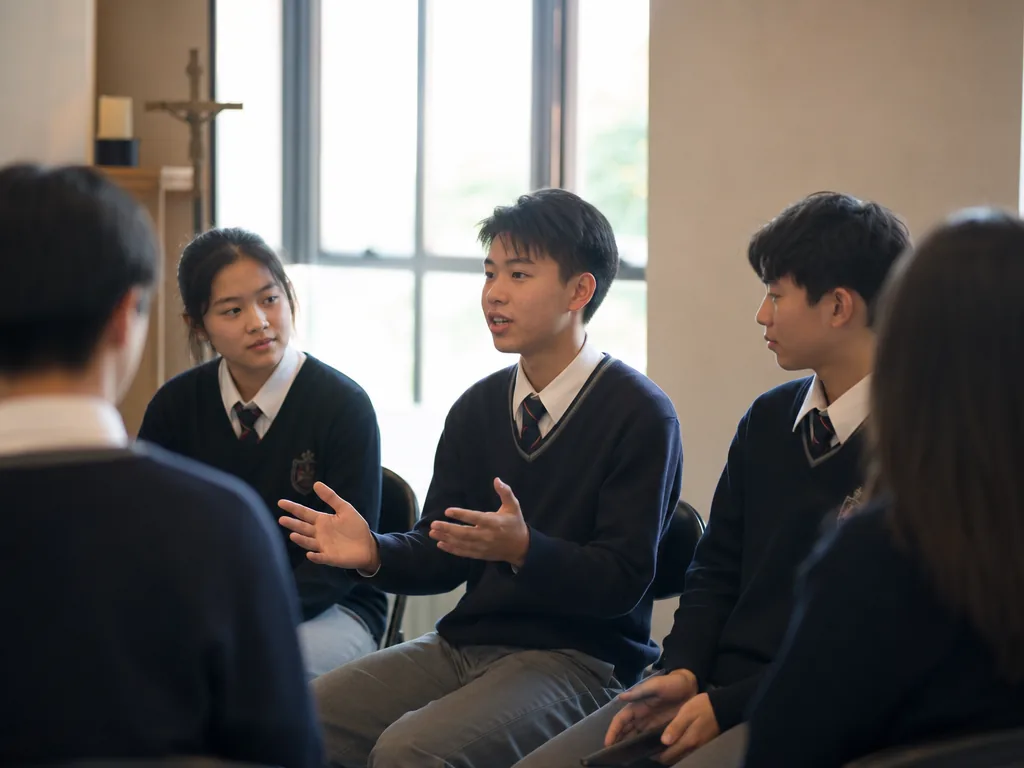
IGCSE Religious Studies is an academic subject that explores major world religions, ethical issues, and the philosophical questions surrounding human existence. Offered as part of the Cambridge IGCSE curriculum, the course encourages students to understand religious beliefs and practices while developing critical thinking, empathy, and cultural awareness. It is designed for students of all backgrounds, regardless of personal faith.
This subject promotes open-minded discussion of religion’s role in shaping human society, values, and behavior, making it an essential foundation for students interested in humanities and global citizenship.
An essential foundation for students interested in humanities and global citizenship.
Core Focus Areas of the Course
- Beliefs and Practices of Major World Religions——Students study the key teachings, scriptures, rituals, festivals, and moral codes of religions such as Christianity, Islam, Judaism, Hinduism, Buddhism, and Sikhism. The curriculum focuses on how these religions influence personal and social life.
- Ethical and Moral Issues——The course examines how religions approach global ethical challenges like war and peace, euthanasia, environmental responsibility, wealth inequality, and gender equality. Students explore religious perspectives on contemporary moral debates.
- Comparative and Analytical Thinking——IGCSE Religious Studies trains students to compare religious viewpoints on shared themes like life after death, compassion, and justice. Analytical writing and reasoning are essential components of the assessment.
- Cultural Understanding and Global Perspective——Students gain an appreciation for religious diversity and learn how beliefs shape cultures and worldviews, helping them become more culturally literate and globally minded individuals.
Who Should Take IGCSE Religious Studies?
This subject is suitable for students who:
- Are interested in religion, philosophy, ethics, or humanities
- Want to improve their critical thinking and moral reasoning skills
- Plan to pursue further studies in subjects such as Sociology, Psychology, Philosophy, or International Relations
- Aim to progress to IB Humanities subjects or A-Level Philosophy, Religious Studies, or Global Politics
Assessment Structure
IGCSE Religious Studies is typically assessed through:
- Two written papers——Paper 1 and Paper 2 test students’ understanding of religious beliefs and ethical issues through essay-style questions.
- No coursework——The assessment is exam-based, emphasizing essay writing, analytical thinking, and structured argumentation.
Students must demonstrate the ability to explain, interpret, and evaluate religious ideas and apply them to real-world ethical situations.
Frequently Asked Questions (FAQ)
Q: Is IGCSE Religious Studies only for religious students?
No. The course is designed for students of all backgrounds, regardless of personal faith. It focuses on understanding and analysing religious beliefs rather than asking students to adopt any particular faith.
Q: Which religions are covered in the syllabus?
Students study the major world religions, including Christianity, Islam, Judaism, Hinduism, Buddhism, and Sikhism — their teachings, scriptures, rituals, festivals, and moral codes.
Q: How is the subject assessed?
Assessment is exam-based, consisting of two written papers (Paper 1 and Paper 2) with essay-style questions. There is no coursework component.
Q: What can I study after this course?
It provides a strong foundation for Sociology, Psychology, Philosophy, and International Relations, as well as IB Humanities subjects or A-Level Philosophy, Religious Studies, and Global Politics.
Further Resources & Next Steps
- Official Resources——Consult the Cambridge IGCSE Religious Studies syllabus, specimen papers, and past papers on the Cambridge International website for the most up-to-date assessment details.
- Further Reading——Explore introductory textbooks on world religions and ethics to deepen your understanding of the beliefs and moral debates covered in the course.
- Parent Tips——Encourage open, respectful discussion of religious and ethical topics at home to help students build the critical thinking and empathy the subject rewards.
Note: The information above is for reference only. Please consult professional education institutions for details.
This article was initially drafted and organised with AI. Editor / Professor Chan Kwok-wai; Managing Editor / Kong Yee-leung
Act Now: Find a Tutor / Register as a Tutor
For parents & students: looking for a home or online tutor for this subject? Click the button below to post a free tuition case (subject, level and preferred time) — TutorZone will match you with suitable tutors:
For tutors: do you teach this subject? Click the button below to register for free and receive more suitable cases — you pay only when a match is made: