 Chinese (Traditional)
 Chinese (Simplified)
 English


What Is MYP Humanities? A Comprehensive Guide to IB Middle Years Programme Individuals and Societies
TUTORZONE SUBJECT GUIDE · INTERNATIONAL JUNIOR HIGH SCHOOL
MYP Humanities — formally Individuals and Societies in the IB Middle Years Programme — is a multidisciplinary subject for students aged 11 to 16, exploring human society, history, geography, economics, politics and culture through inquiry-based, globally focused learning.
Direct Answer:What is MYP Humanities?
MYP Humanities, formally Individuals and Societies, is a multidisciplinary IB MYP subject for ages 11-16 exploring human society through inquiry-ba。
What Is MYP Humanities?
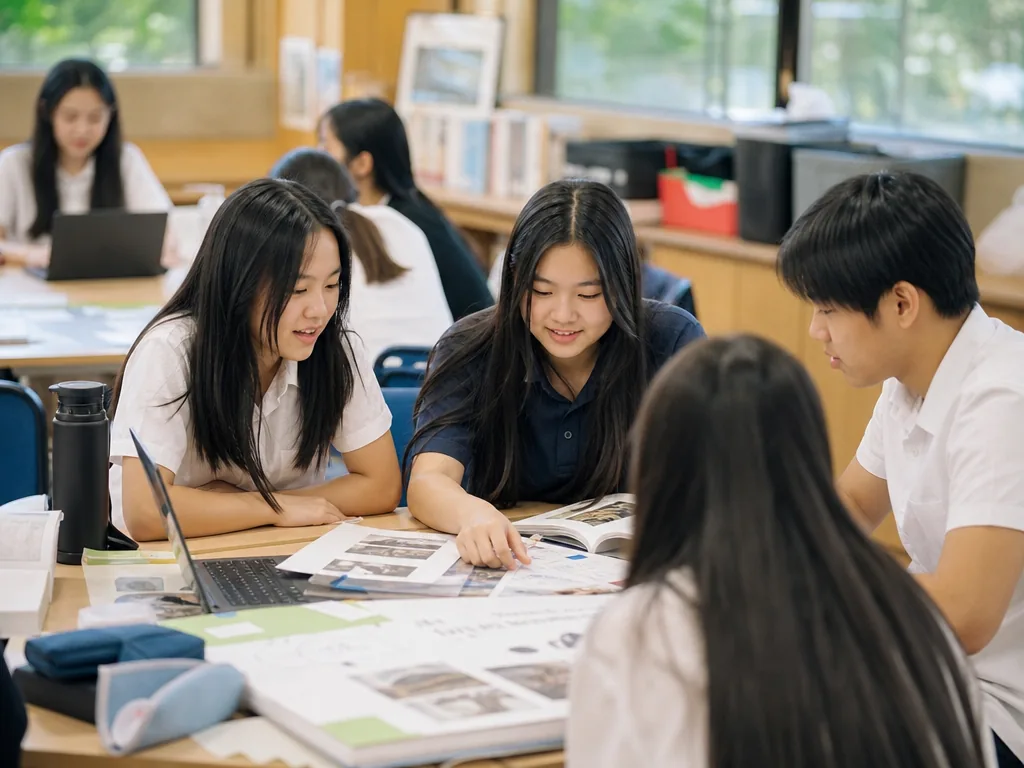
MYP Humanities, formally known as Individuals and Societies in the IB Middle Years Programme (MYP), is a multidisciplinary subject designed for students aged 11 to 16. It explores human society, history, geography, economics, politics, and culture through inquiry-based and globally focused learning.
This subject helps students understand how societies are formed and how humans interact with one another and the environment. By integrating various disciplines, MYP Individuals and Societies builds critical thinking, cultural awareness, and research skills — laying the foundation for advanced IB subjects and future academic or career paths.
What Does MYP Humanities Cover?
MYP Humanities is not a single subject, but rather an integrated field drawing from multiple disciplines in the social sciences and humanities. The course content is often organized by themes or concepts, encouraging students to make connections across time periods, cultures, and global systems.
History
- Explore major events, movements, and individuals from different eras and regions.
- Understand causes and consequences of historical events.
- Analyze multiple perspectives and interpretations of history.
Geography
- Study natural environments and how human activity interacts with them.
- Investigate global challenges like climate change, urbanization, and resource management.
- Develop spatial awareness using maps, data, and models.
Economics
- Learn core concepts like scarcity, supply and demand, and global trade.
- Examine global economic systems and issues such as inequality and globalization.
Politics and Law
- Understand political structures, legal systems, and concepts like democracy, justice, and human rights.
- Analyze how governments and international organizations (e.g., the United Nations) address global challenges.
Culture and Society
- Investigate how religion, language, art, and social norms shape cultures.
- Develop appreciation and respect for cultural diversity and global citizenship.
Inquiry and Research Skills
- Learn how to formulate research questions, design investigations, collect and analyze data.
- Build academic writing, presentation, and argumentation skills.
How Students Learn in MYP Individuals and Societies
MYP Humanities emphasizes conceptual understanding, not memorization. Students engage in real-world inquiries, group discussions, and hands-on research projects that allow them to explore complex social issues from multiple angles.
- Inquiry-Based Learning — Students investigate essential questions and real-world problems using structured research methods.
- Case Studies and Debates — Through role-play, simulations, and source analysis, students explore historical and social dilemmas.
- Interdisciplinary Projects — Topics often combine knowledge from economics, geography, and politics — for example, studying urban sustainability through economic and environmental lenses.
- Global Contexts — Students apply their knowledge to understand global challenges such as human rights, migration, or economic inequality.
Why MYP Humanities Is Important
MYP Humanities plays a crucial role in shaping globally aware, critical, and informed learners. It equips students with the mindset and skills needed to understand our complex world and take action within it.
Develops Global Awareness
Students gain insights into world history, global systems, and cultural diversity.
Builds Critical Thinking
They learn to question assumptions, analyze bias, and evaluate multiple perspectives.
Strengthens Research and Communication Skills
Through essays, presentations, and projects, students practice academic skills.
Encourages Ethical Reflection
Topics like human rights, equality, and conflict resolution foster empathy and responsibility.
Prepares for IB Diploma Subjects
Such as History, Geography, Global Politics, Economics, and Social and Cultural Anthropology.
Supports Future Careers
Relevant for fields like international relations, public policy, journalism, law, and education.
Sample Units and Themes in MYP Humanities
Here are examples of units commonly studied in MYP Humanities, aligned with IB’s interdisciplinary and global approach:
| Unit Theme | Description |
|---|---|
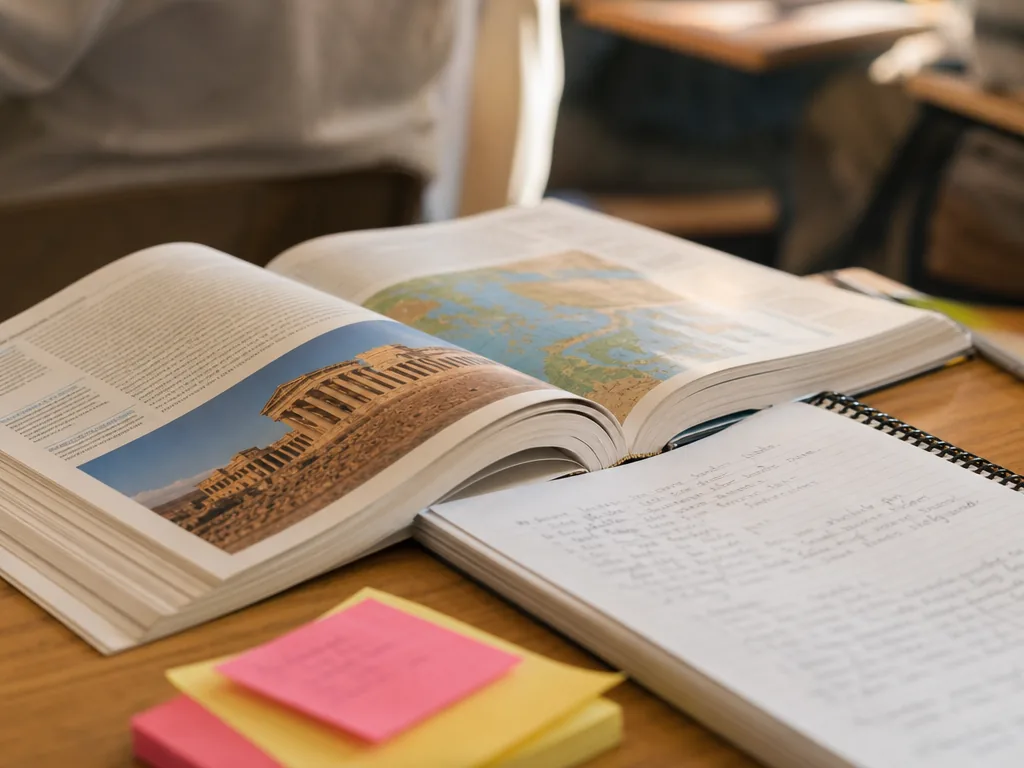
| Ancient Civilizations | Explore the legacy of Egypt, Greece, and China in shaping human development. |
| World Wars and Peacebuilding | Study causes and impacts of WWI and WWII, and institutions like the UN. |
| Sustainable Cities | Examine urban growth, planning, and links to the UN Sustainable Development Goals (SDGs). |
| Global Trade and Inequality | Investigate international trade, global supply chains, and wealth distribution. |
| Human Rights and Social Justice | Analyze human rights movements, gender equality, and contemporary social justice issues. |
Assessment in MYP Individuals and Societies
MYP Humanities uses criteria-based assessment to evaluate students’ understanding and skills. The grading is aligned with IB’s 1–7 scale and focuses on four key criteria:
- Knowing and Understanding — Factual knowledge and conceptual understanding
- Investigating — Formulating questions, planning research, collecting data
- Communicating — Presenting ideas clearly in writing and speaking
- Thinking Critically — Analyzing sources, evaluating arguments, making conclusions
Assessments include essays, source analysis, projects, debates, and presentations.
Conclusion: A Foundation for Global Thinking and Academic Success
MYP Humanities (Individuals and Societies) is a dynamic, inquiry-driven subject that helps students make sense of the world they live in. By exploring history, geography, economics, and society, students develop the skills, values, and global mindset necessary for both academic excellence and real-world impact.
Whether you’re a parent preparing your child for the IB Diploma Programme or an educator looking to promote interdisciplinary learning, MYP Humanities is essential in developing curious, compassionate, and critical thinkers.
Frequently Asked Questions (FAQ)
Q: Are MYP Humanities and Individuals and Societies the same subject?
Yes. “Individuals and Societies” is the official IB name for the subject, while “Humanities” is the widely used informal term. Both refer to the same multidisciplinary course.
Q: What age group is MYP Humanities designed for?
Students aged 11 to 16, covering MYP Years 1 to 5 of the Middle Years Programme.
Q: How is MYP Humanities assessed?
Assessment is criteria-based on the IB 1–7 scale, using four criteria: Knowing and Understanding, Investigating, Communicating, and Thinking Critically. Tasks include essays, source analysis, projects, debates, and presentations.
Q: Does MYP Humanities prepare students for the IB Diploma?
Yes. It builds the foundational skills and mindset for Diploma subjects such as History, Geography, Global Politics, Economics, and Social and Cultural Anthropology.
Further Resources & Next Steps
- Official Resources — The IB Middle Years Programme Individuals and Societies subject guide, available on ibo.org.
- Further Reading — School-approved MYP Individuals and Societies textbooks, unit planners, and assessment exemplars.
- Parent Tips — Discuss current events and news at home to build the analytical habits and global awareness the subject rewards.
Note: The information above is for reference only. Please consult professional education institutions for details.
This article was initially drafted and organised with AI. Editor / Professor Chan Kwok-wai; Managing Editor / Kong Yee-leung
Act Now: Find a Tutor / Register as a Tutor
For parents & students: looking for a home or online tutor for this subject? Click the button below to post a free tuition case (subject, level and preferred time) — TutorZone will match you with suitable tutors:
For tutors: do you teach this subject? Click the button below to register for free and receive more suitable cases — you pay only when a match is made: