 Chinese (Traditional)
 Chinese (Simplified)
 English


What Is Middle School Psychology in the IB MYP Curriculum?
TUTORZONE SUBJECT GUIDE · INTERNATIONAL JUNIOR HIGH SCHOOL
Middle school psychology in the IB Middle Years Programme (MYP) introduces students aged 11 to 16 to human behavior, cognition, emotion, and culture — building the scientific thinking, empathy, and self-awareness that later study and life demand.
Direct Answer:What is Middle School Psychology in the IB MYP?
IB MYP middle school psychology introduces students aged 11-16 to human behavior, cognition, emotion, and culture, building scientific thinking and。
What Is Middle School Psychology?
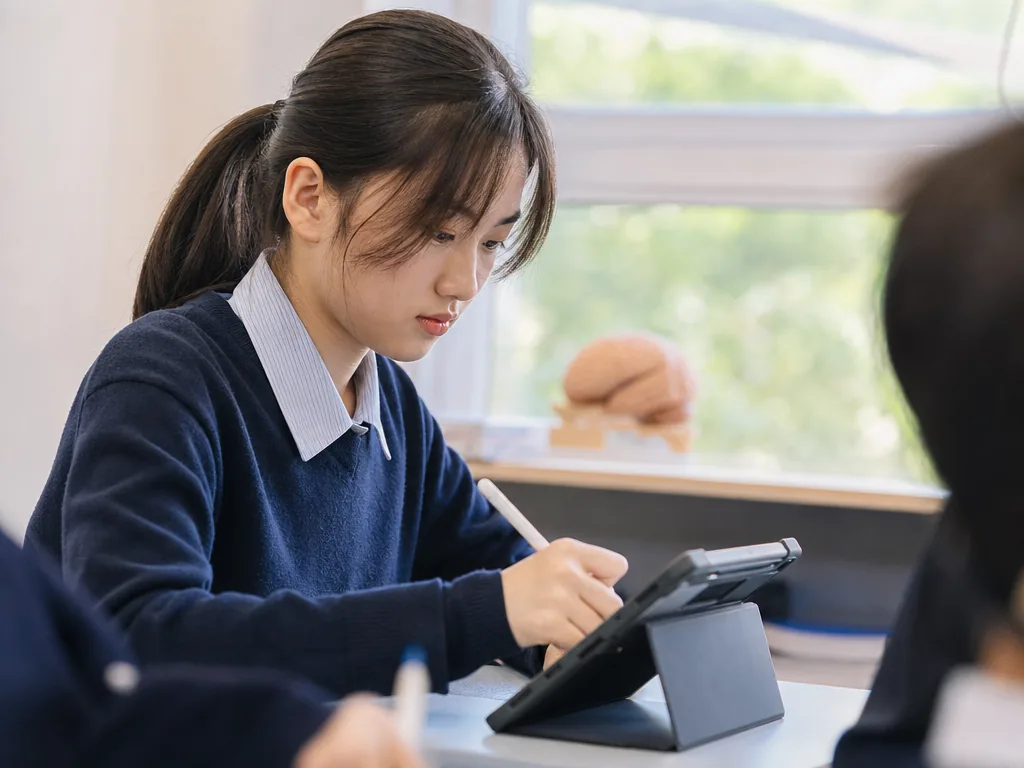
IB Middle School Psychology refers to the psychology-related learning that takes place within the International Baccalaureate Middle Years Programme (MYP), which is designed for students aged 11 to 16. In the MYP framework, psychology is typically taught as part of the Individuals and Societies subject group.
Through this interdisciplinary course, students explore human behavior, cognitive processes, emotions, social interactions, and the cultural influences that shape our minds.
While the specific psychology curriculum may vary across international schools in Hong Kong and worldwide, the core aim remains consistent: to help students understand the reasons behind their own and others’ behavior, while training them in scientific inquiry and critical analysis.
Key Focus Areas of Middle School Psychology
Understanding Core Psychological Theories
Students are introduced to foundational psychological schools of thought, such as:
- Behaviorism
- Cognitive Psychology
- Humanistic Psychology
- Psychoanalysis
They explore how each theory attempts to explain human behavior and mental processes, laying the groundwork for deeper understanding in later academic stages.
Research Methods and Ethics in Psychology
Students learn the basics of psychological research design, including:
- Experiments
- Surveys
- Observations
- Case Studies
Ethical considerations are also emphasized. Key concepts include informed consent, participant confidentiality, and avoiding harm, helping students become responsible future researchers.
Individual Psychology and Social Behavior
This area explores both internal and external influences on human behavior:
- Learning and memory
- Emotion and motivation
- Personality development
- Social norms and cultural expectations
- Group dynamics and prejudice
Students examine how people think, feel, and act in various social and cultural settings.
Mental Health and Abnormal Psychology
To promote mental health awareness, students are introduced to common psychological disorders and treatments:
- Anxiety disorders
- Depression
- Eating disorders
They also learn about basic therapeutic approaches, such as Cognitive Behavioral Therapy (CBT), and how early intervention can support emotional well-being.
Cross-Cultural Psychology
Students analyze how cultural backgrounds influence human psychology, including:
- Attachment styles
- Emotional expression
- Thinking patterns and problem-solving styles
This cultivates open-mindedness, empathy, and a global perspective — key traits for 21st-century learners.
Why Is Middle School Psychology Important?
Improves Self-Understanding and Empathy
Students develop a better awareness of their own thoughts and emotions, as well as a deeper sensitivity toward the motivations behind others’ actions.
Develops Scientific Thinking Skills
Psychology emphasizes evidence-based reasoning, data collection, and logical interpretation — skills essential for academic success and daily decision-making.
Builds Critical Thinking
By analyzing assumptions and evaluating sources, students learn not to accept information at face value — an important defense against misinformation and stereotypes.
Prepares Students for Future Studies and Careers
MYP Psychology builds a solid foundation for further studies in IBDP Psychology (HL/SL), as well as in sociology, medicine, education, and behavioral sciences.
Cultivates Global Citizenship
Understanding psychological diversity across cultures enhances students’ international-mindedness, preparing them for life in a globalized world.
Sample Topics in Middle School Psychology
| Theme | Description |
|---|---|
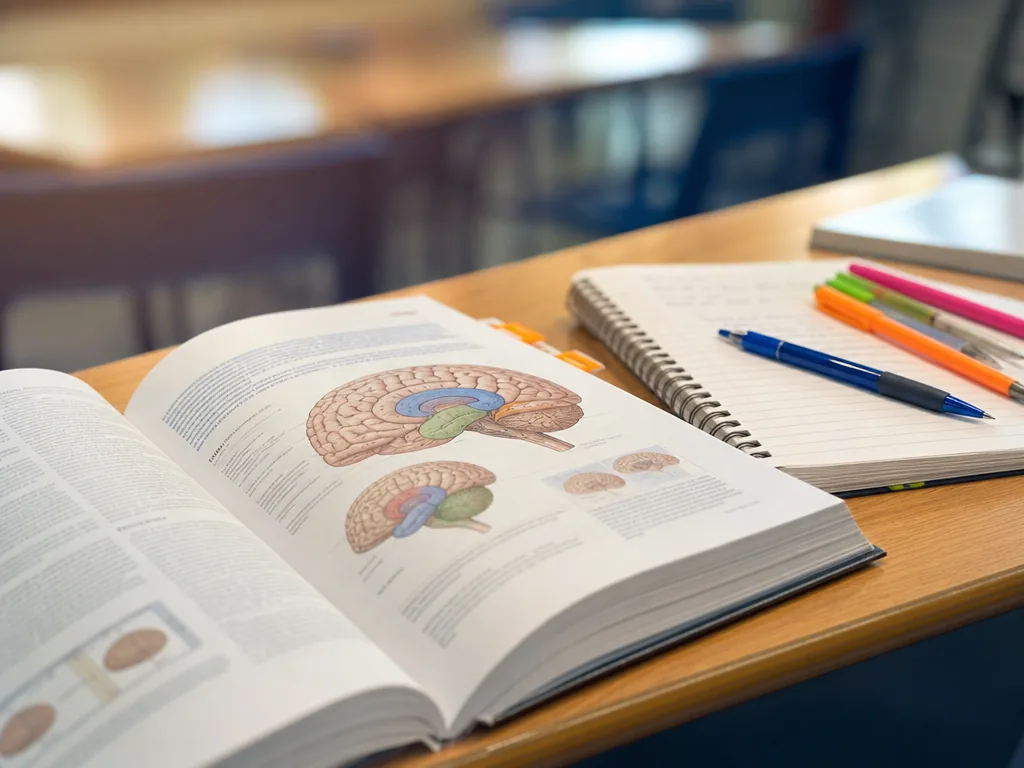
| Brain and Behavior | Structure of the brain, neurotransmitters, and hormones and how they affect behavior |
| Cognitive Processes | Memory, learning, language development, and decision-making |
| Emotion and Motivation | Theories of emotion, stress coping strategies, and motivational drives |
| Social Psychology | Social influence, conformity, prejudice, and group decision-making |
| Abnormal Psychology | Causes and treatment of anxiety, depression, and other common disorders |
| Culture and Psychology | Cultural differences in attachment, emotional expression, and cognitive styles |
Final Thoughts: The Value of Learning Psychology Early
Psychology in the MYP introduces students to essential life skills — self-awareness, empathy, and critical inquiry — through a scientific lens. By examining human behavior from multiple perspectives, students become more informed, reflective, and compassionate individuals. For those considering advanced studies in IB Psychology HL/SL or careers in health, education, or the social sciences, middle school psychology provides a meaningful head start.
Frequently Asked Questions (FAQ)
Q: Is psychology a separate subject in the IB MYP?
In most international schools it is taught within the Individuals and Societies subject group rather than as a standalone subject, though the depth and focus can vary between schools.
Q: Do students need any prior background to study MYP psychology?
No. The course is introductory and assumes no prior knowledge; students build up from foundational theories, research methods, and everyday examples.
Q: How does MYP psychology connect to the IB Diploma?
It lays a solid foundation for IBDP Psychology (HL/SL), introducing research methods, key theories, and core topics that students revisit in greater depth at diploma level.
Q: What kinds of assessment are typical in MYP psychology?
Assessment usually includes research projects, essays, presentations, and reflections on ethical issues, emphasizing inquiry and understanding rather than rote memorization.
Further Resources & Next Steps
- Official Resources——The International Baccalaureate (IBO) MYP Individuals and Societies subject guide.
- Further Reading——IBDP Psychology (HL/SL) subject guide and introductory psychology textbooks.
- Parent Tips——Discuss emotions, current events, and cultural differences at home to reinforce what students learn in class.
Note: The information above is for reference only. Please consult professional education institutions for details.
This article was initially drafted and organised with AI. Editor / Professor Chan Kwok-wai; Managing Editor / Kong Yee-leung
Act Now: Find a Tutor / Register as a Tutor
For parents & students: looking for a home or online tutor for this subject? Click the button below to post a free tuition case (subject, level and preferred time) — TutorZone will match you with suitable tutors:
For tutors: do you teach this subject? Click the button below to register for free and receive more suitable cases — you pay only when a match is made: