 Chinese (Traditional)
 Chinese (Simplified)
 English


What Is Middle School Economics in the IB MYP?
TUTORZONE SUBJECT GUIDE · INTERNATIONAL JUNIOR HIGH SCHOOL
Economics in the IB Middle Years Programme introduces students aged 11–16 to how markets, money, trade and government choices shape everyday life — building the critical thinking and global awareness that underpin IBDP Economics and Business Management.
Direct Answer:What is Middle School Economics in the IB MYP?
Introduces students aged 11–16 to how markets, money, trade and government choices shape everyday life.
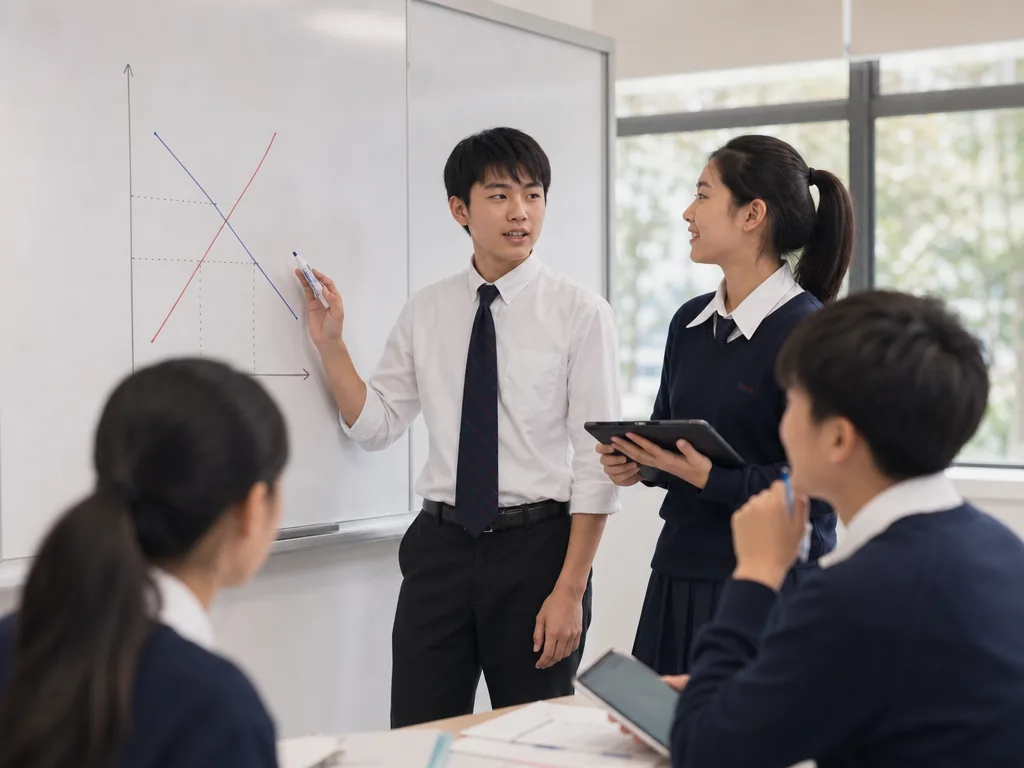
What Is Middle School Economics?
Middle School Economics in the International Baccalaureate Middle Years Programme (IB MYP) is an engaging subject designed for students aged 11 to 16. Offered under the Individuals and Societies learning area, the course introduces students to the foundations of economic thinking, market systems, global trade, and decision-making in everyday life.
Far from being limited to theory, MYP Economics helps students understand the real-world impact of financial systems, government policies, and individual choices. It lays a solid foundation for further studies in IBDP Economics or Business Management, while fostering critical thinking and global awareness.
Key Focus Areas in MYP Economics
Core Economic Concepts
Students begin by exploring:
- Supply and demand——how buyers and sellers set prices.
- Market structures and price formation——how different markets organise themselves.
- Types of economic systems——market, mixed, and planned economies.
These concepts help students understand how economies function at both micro and macro levels.
Individual, Social, and Governmental Decision-Making
Students learn how:
- Consumers, producers, and governments make economic choices.
- Scarce resources are allocated to meet unlimited wants.
- Economic decisions impact different groups in society.
Global Economic Issues
MYP Economics brings international relevance by covering:
- Globalization and trade——how economies connect across borders.
- Economic development and inequality——why some nations grow faster than others.
- The role of international institutions like the World Trade Organization (WTO) and International Monetary Fund (IMF).
These topics build economic literacy with a global perspective.
Critical Thinking and Data Analysis
Students develop the ability to:
- Interpret economic graphs and tables.
- Analyze real-world case studies.
- Form hypotheses, assess evidence, and write economic arguments.
This analytical approach sharpens problem-solving and communication skills.
Ethics and Sustainable Economics
Students are encouraged to examine:
- The relationship between economic growth and environmental sustainability.
- Social equity, income distribution, and corporate responsibility.
- Ethical considerations in economic policy and business decisions.
This fosters a balanced, values-based approach to economic thinking.
Why Is MYP Economics Important?
Real-World Relevance
Students gain a clearer understanding of how money, resources, and policy affect their lives and the world around them.
Builds Critical Thinking
Economic education promotes logical reasoning, evidence-based evaluation, and the ability to approach problems from multiple angles.
Prepares for Further Study
It prepares students for IBDP Economics (HL/SL), Business Management, or related subjects in high school and university.
Enhances Career and Global Competence
Economic literacy supports careers in business, finance, international relations, and public policy.
Promotes Active Citizenship
By understanding taxes, public budgets, and welfare policies, students become informed, responsible global citizens.
Sample Topics in IB MYP Economics
| Theme | Description |
|---|---|
| Supply and Demand | How prices are determined in different markets |
| Types of Economies | Comparing market, mixed, and command economies |
| Consumer and Producer Behavior | How individuals and firms make decisions |
| Trade and Globalization | Benefits and challenges of international trade |
| Development and Inequality | Understanding poverty, wealth gaps, and solutions |
| Sustainable Economics | Balancing economic growth with environmental and social concerns |
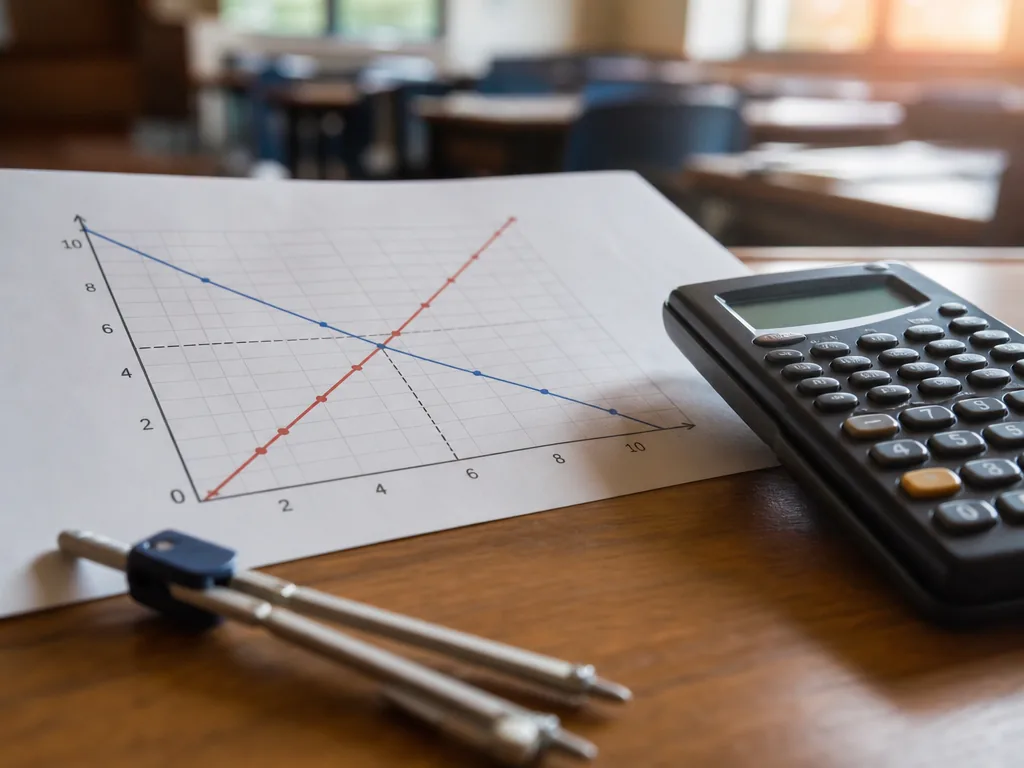
Final Thoughts: Why MYP Economics Matters
MYP Economics does more than teach money and markets—it helps young learners make sense of the world. Through relevant case studies, interactive discussions, and data-based inquiry, students learn to evaluate issues, question assumptions, and propose real-world solutions.
By equipping students with a mix of economic understanding and ethical awareness, IB MYP Economics plays a vital role in preparing globally minded thinkers and decision-makers for the future.
Frequently Asked Questions (FAQ)
Q: What age group is IB MYP Economics designed for?
It is designed for students aged 11 to 16, covering the full span of the IB Middle Years Programme (MYP Years 1–5).
Q: Is MYP Economics a standalone subject or part of a wider group?
It is offered under the Individuals and Societies learning area rather than as a completely separate discipline, which is why it links economics to history, geography and other humanities.
Q: Does MYP Economics prepare students for the IB Diploma?
Yes. It builds a foundation for IBDP Economics (HL/SL) and Business Management, and develops the analytical and writing skills those courses demand.
Q: What practical skills do students take away from the course?
Students learn to interpret economic graphs and tables, analyse real-world case studies, and construct evidence-based economic arguments — transferable skills for study, work and everyday life.
Further Resources & Next Steps
- Official Resources——The International Baccalaureate (ibo.org) Individuals and Societies subject guide and economics-related course materials.
- Further Reading——An accessible introductory economics book alongside reputable news sources such as BBC News and the Financial Times, which provide real-world case studies for discussion.
- Parent Tips——Bring economics to life at home by discussing everyday money decisions, such as budgeting pocket money or comparing prices at the supermarket.
Note: The information above is for reference only. Please consult professional education institutions for details.
This article was initially drafted and organised with AI. Editor / Professor Chan Kwok-wai; Managing Editor / Kong Yee-leung
Act Now: Find a Tutor / Register as a Tutor
For parents & students: looking for a home or online tutor for this subject? Click the button below to post a free tuition case (subject, level and preferred time) — TutorZone will match you with suitable tutors:
For tutors: do you teach this subject? Click the button below to register for free and receive more suitable cases — you pay only when a match is made: