 Chinese (Traditional)
 Chinese (Simplified)
 English

What is IB MYP STEMinn? A Guide to the Junior Secondary STEM + Innovation Curriculum
TUTORZONE SUBJECT GUIDE · INTERNATIONAL JUNIOR HIGH SCHOOL
IB MYP STEMinn — short for Science, Technology, Engineering, Mathematics + Innovation — is an interdisciplinary programme within the International Baccalaureate Middle Years Programme that links core STEM subjects with creative problem-solving. This guide explains what it covers, how it is taught and why it matters for junior secondary students.
Direct Answer:What is IB MYP STEMinn?
IB MYP STEMinn is an interdisciplinary programme linking science, technology, engineering, mathematics, and innovation with creative problem-solving.
Core Concepts of the STEMinn Curriculum
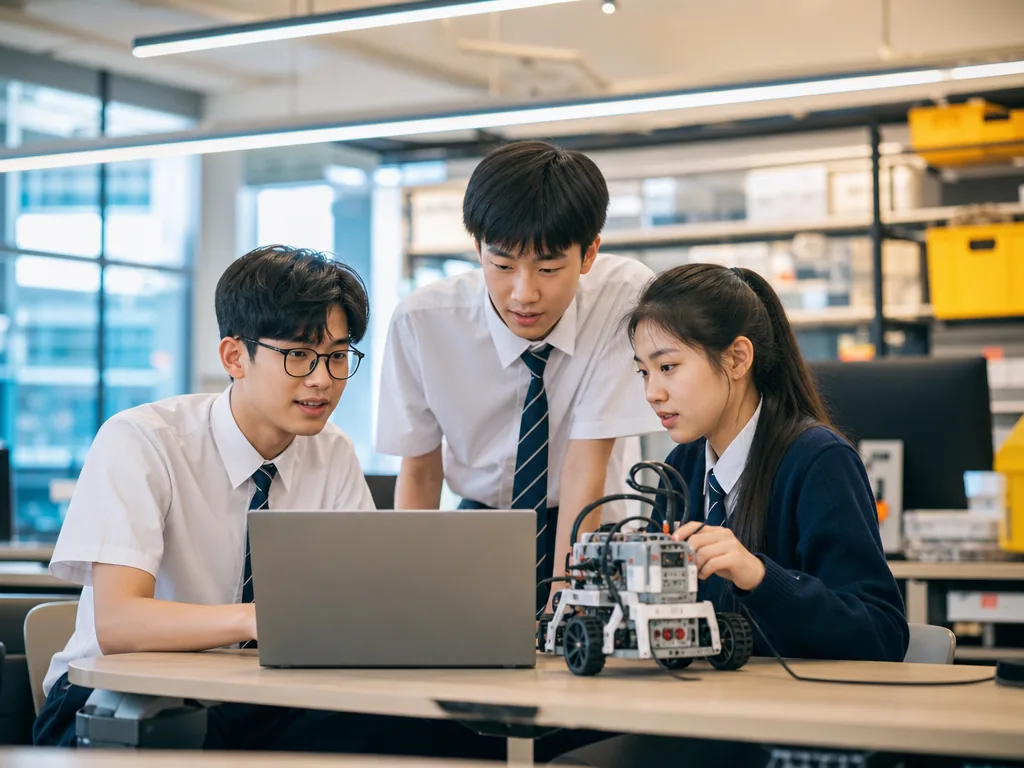
The STEMinn curriculum focuses on merging scientific and technical disciplines with innovative design and real-world application. It goes beyond traditional STEM education by embedding innovation as a key pillar. The main components include:
Science
Students explore core concepts in physics, chemistry and biology, and develop scientific inquiry skills. Through experiments and data analysis, they learn to understand and explain natural phenomena.
Technology
Students gain exposure to modern digital tools, such as coding, computer-aided design (CAD), data analytics and digital media. They learn how technology is used to address contemporary problems.
Engineering
A hands-on component where students apply engineering principles to design, prototype and test solutions. Engineering design thinking is used to build models, refine systems and improve functionality.
Mathematics
Mathematical reasoning is applied to solve practical problems. Students use formulas, modeling, graphs, statistics and calculations to support scientific and engineering decisions.
Innovation
The hallmark of STEMinn is innovation. Students are encouraged to think creatively, identify real-world issues, and develop original, impactful solutions using an integrated approach.
Key Learning Objectives and Skills Development
The IB MYP STEMinn course is more than acquiring knowledge — it’s about skills, application and mindset. Key learning objectives include:
Interdisciplinary Learning
Students connect ideas across STEM fields, fostering a deeper understanding of how science, engineering and technology overlap in the real world.
Problem-Solving Skills
Through challenges and projects, students learn to define problems, hypothesise, prototype, test and revise solutions — a process rooted in design and inquiry-based learning.
Creative and Design Thinking
Students explore how to transform ideas into practical innovations. Creativity is supported by the use of digital and hands-on tools to turn abstract concepts into tangible products.
Critical Thinking
Emphasis is placed on questioning assumptions, analysing results and justifying conclusions through evidence. Students are trained to think logically and challenge the status quo.
Collaboration and Communication
Group work helps students develop teamwork, leadership and communication skills. They learn to delegate tasks, manage projects and present their findings effectively.
Students are trained to think logically and challenge the status quo.
How STEMinn Is Taught: Project-Based and Hands-On Learning
The teaching methods in the IB MYP STEMinn curriculum are dynamic and experience-based. Some key strategies include:
Practical Projects
Students engage in real-world projects such as building machines, programming applications or developing eco-friendly prototypes. Each project blends STEM knowledge with creativity and innovation.
Innovation Challenges
These are thematic problem-solving competitions where students must apply their skills to address global or community issues, such as climate change, sustainability or energy efficiency.
Interdisciplinary Collaboration
Projects often involve collaboration between different subject teachers, promoting a holistic learning experience that mirrors how STEM operates in industry.
Use of Modern Tools
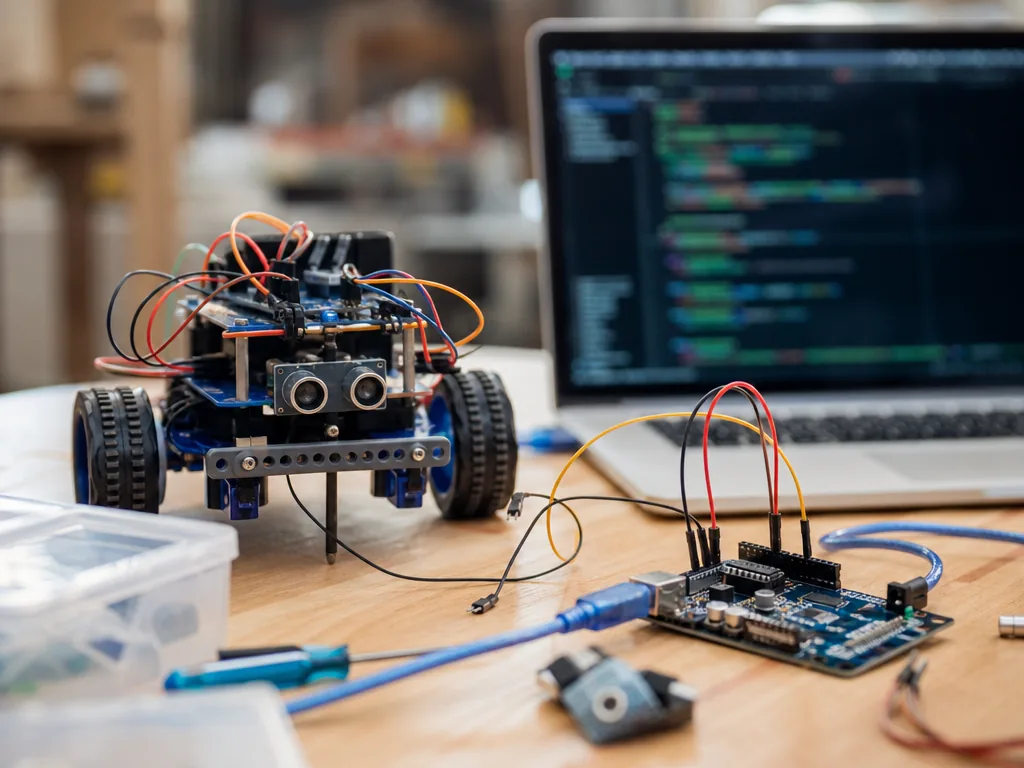
Students are trained to use software like Tinkercad, Python, Scratch, spreadsheets and simulation platforms. They also get hands-on experience with materials like circuits, sensors and robotics kits.
Assessment in STEMinn: More Than Just Grades
Assessment in the MYP STEMinn curriculum is designed to evaluate both process and product. It includes:
Formative Assessments
Ongoing assessments during the learning process, such as journals, peer feedback, design drafts and prototypes, help guide student development and provide timely feedback.
Summative Assessments
At the end of a project or unit, students submit final reports, digital portfolios, presentations or physical products that reflect their understanding and application of knowledge.
Reflection and Peer Review
Students are required to reflect on their learning journey, evaluate their own work and provide constructive feedback to peers. This develops metacognition and collaborative critique skills.
Global Perspective and Real-World Relevance
The STEMinn course helps students connect STEM to global issues and explore how innovation can solve pressing challenges such as:
- Climate change — exploring how data and engineering can help monitor and reduce emissions.
- Renewable energy — designing clean-energy prototypes and efficiency models.
- Smart cities and infrastructure — applying sensors, IoT and data to urban challenges.
- Digital health and biotechnology — connecting biology with computing and data science.
- Sustainable development goals (SDGs) — linking classroom projects to global targets.
Students are encouraged to think globally while acting locally — fostering a sense of responsibility as future changemakers.
Conclusion: Why IB MYP STEMinn Matters for Junior Secondary Students
The IB MYP STEMinn course offers a rich and engaging learning experience that prepares students for the challenges of the 21st century. By integrating science, technology, engineering, mathematics and innovation, the programme:
- Builds technical and creative confidence
- Promotes real-world problem-solving
- Encourages teamwork and leadership
- Cultivates a global, future-oriented mindset
For students who aspire to careers in STEM fields or want to become innovative thinkers and leaders, MYP STEMinn provides a solid foundation that bridges academic knowledge and practical application.
Frequently Asked Questions (FAQ)
Q: What does STEMinn stand for?
STEMinn stands for Science, Technology, Engineering, Mathematics + Innovation, the integrated STEM programme offered within the IB Middle Years Programme (MYP).
Q: How is STEMinn different from a traditional STEM course?
It embeds innovation as a key pillar alongside the four STEM subjects, so students do not only learn concepts but also apply them to design original solutions to real-world problems.
Q: How are students assessed in STEMinn?
Assessment covers both process and product, using formative checks (journals, peer feedback and design drafts) and summative tasks (reports, portfolios, presentations and physical products), plus reflection and peer review.
Q: Which tools and software do students use?
Students work with tools such as Tinkercad, Python, Scratch, spreadsheets and simulation platforms, along with hands-on materials like circuits, sensors and robotics kits.
Further Resources & Next Steps
- Official Resources — the International Baccalaureate (IB) Middle Years Programme at ibo.org.
- Further Reading — the IB’s “MYP: From principles into practice” guide and your school’s STEMinn curriculum handbook.
- Parent Tips — encourage hands-on projects at home, such as simple coding, building kits and science experiments, and discuss how everyday problems connect to STEM.
Note: The information above is for reference only. Please consult professional education institutions for details.
This article was initially drafted and organised with AI. Editor / Professor Chan Kwok-wai; Managing Editor / Kong Yee-leung
Act Now: Find a Tutor / Register as a Tutor
For parents & students: looking for a home or online tutor for this subject? Click the button below to post a free tuition case (subject, level and preferred time) — TutorZone will match you with suitable tutors:
For tutors: do you teach this subject? Click the button below to register for free and receive more suitable cases — you pay only when a match is made: