
 Chinese (Traditional)
 Chinese (Simplified)
 English



The Origins of Fencing
TUTORZONE SUBJECT GUIDE · SPORTS
Fencing is a competitive sport that combines skill, speed, strategy, and grace. Now an official Olympic sport, fencing is more than just a sport — it carries a rich history and cultural heritage.
Direct Answer:What is fencing?
Fencing is a competitive sport combining skill, speed, strategy, and grace, and has been an official Olympic sport since 1896.
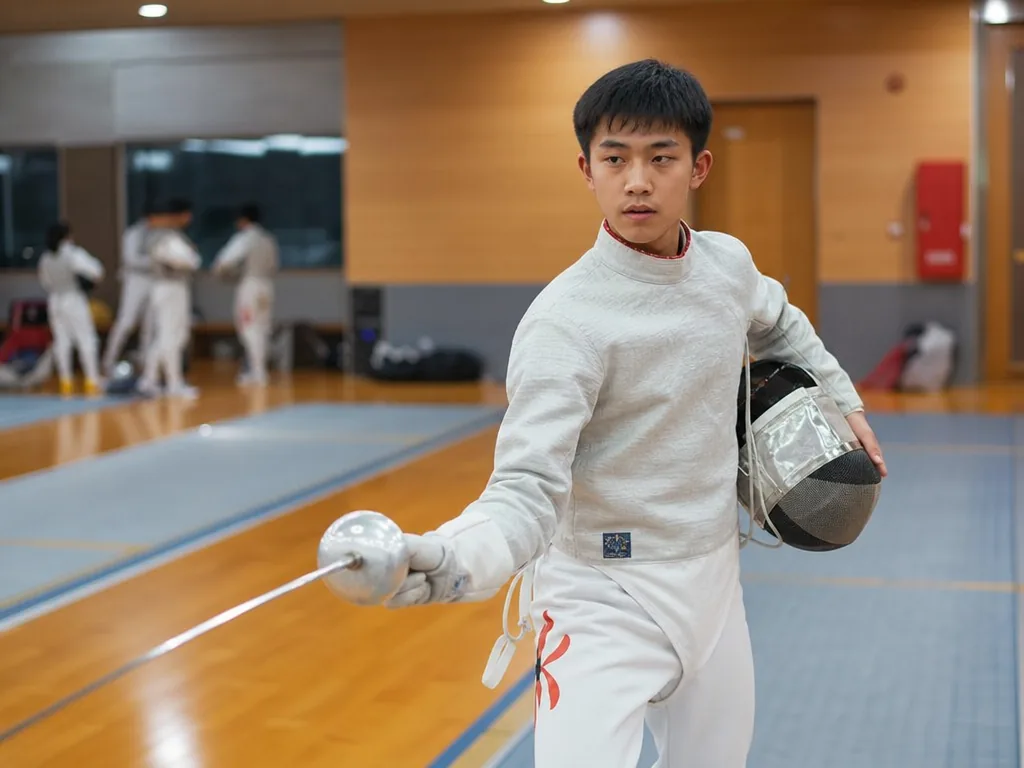
The Ancient Origins of Fencing
Prehistory and Ancient Civilisation: The Birth of the Sword as a Weapon
In the Bronze Age (around 3000 BC), with the development of metal smelting technology, humans created the earliest metal swords. Initially, swords were mainly used for survival, defense, and warfare.
In ancient Egyptian, Greek, and Roman civilizations, swordplay was an important part of military training. At the time, fencing was more about combat than sport.
Gladiator Combat and Training in Ancient Rome
The ancient Roman army (the Legions) emphasized sword training, and soldiers learned how to use the short sword (Gladius) in special training camps (Ludus).
Sword-fighting elements were also common in gladiator performances. Although the form was cruel, it demonstrated early sword skills.
From the Middle Ages to the Renaissance: The Technological and Sporting Development of Swordsmanship
Middle Ages (5th–15th Century): Swordsmanship as Part of Knightly Education
With the rise of chivalry, the sword became a symbol of honour and status.
Knights learned to use weapons such as swords, shields, and spears from a young age, emphasising honour and actual combat ability on the battlefield.
During this period, swordsmanship was mainly expressed through judicial duels and military combat.
Renaissance (14th–17th Centuries): The Beginning of Modern Fencing
With the popularisation of firearms (such as muskets and cannons), traditional armoured combat gradually declined, and swords became lighter and more flexible, suited to personal self-defence and duels.
The rapier appeared — a slender, lightweight sword designed for stabbing.
Swordsmanship began to shift from military use toward skill expression and social activities, becoming an essential skill for aristocrats and gentlemen.
The Rise of the Sword Academy
A large number of fencing academies (Salle d’Armes) appeared in Spain, Italy, and France.
Fencers such as Camillo Agrippa (Italy) and Salvator Fabris (Denmark/Italy) developed systematic fencing techniques and theories, laying the foundation for modern fencing.
The Competitiveness and Standardization of Modern Fencing
17th–18th Centuries: Fencing Becomes a Formal Sport
France in particular promoted the technicalisation and sportification of fencing. Fencing teachers enjoyed a high status, and the French fencing school was formed.
Sport fencing is performed with a specially designed practice sword (the Foil) and focuses on training technique rather than lethal strikes.
19th Century: Standardization and the Establishment of a Competition System
Fencing began to develop clear rules, such as requiring the wearing of protective gear, the use of bladeless swords for practice, and the presence of referees for scoring.
Fencing weapons are divided into three categories:
- Foil—light, mainly used for stabbing.
- Épée—heavy; the entire body is used as the scoring area.
- Sabre—used for slashing and stabbing, imitating the sword used by cavalry.
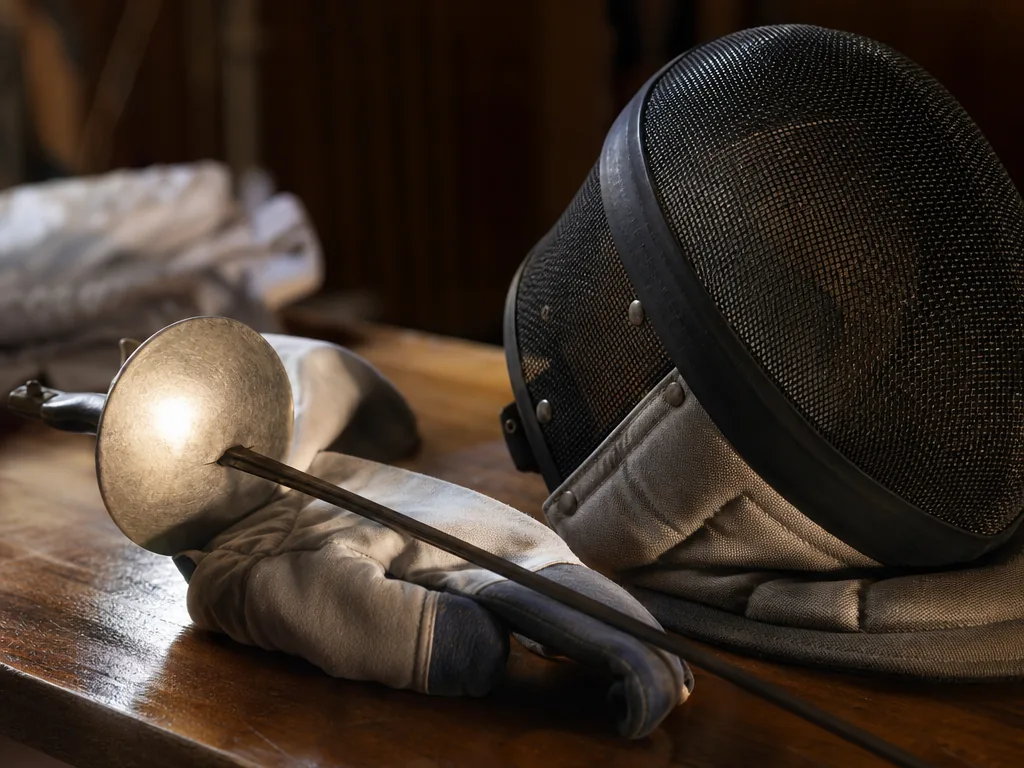
The Modern Development of Fencing
Entering the Olympic Stage
Fencing has been an official event in the first modern Olympic Games since 1896 and is one of the oldest sports in Olympic history.
Initially, only men competed in the event, but starting with the 1924 Paris Olympics, women were allowed to participate in the foil event.
Characteristics of Modern Fencing
Electronic scoring system: the introduction of electronic sensing systems in the mid-20th century made scoring more accurate and fair.
Global popularity: today, fencing is thriving in Europe, America, Asia, and even Africa.
Professionalisation and competitiveness: each country has its own professional fencing association and training centres, and the International Fencing Federation (FIE) coordinates major global competitions.
Summary: The Origins of Fencing
Origin
Originated from prehistoric sword combat, and from ancient Egyptian, Greek, and Roman military swordsmanship.
Technological Development
Medieval knightly swordsmanship, then the Renaissance rapier, and finally modern competitive fencing.
Modern Significance
The perfect combination of sport, art, and strategic thinking, promoted globally as an official Olympic event.
Fencing, an elegant and intense sport, not only carries a history of war and honour, but also blossoms in modern sports with the brilliance of combining wisdom, skill and speed.
Frequently Asked Questions (FAQ)
Q: When did fencing become an Olympic sport?
Fencing has been an official event since the first modern Olympic Games in 1896, making it one of the oldest sports in Olympic history. Women were first allowed to compete in the foil event at the 1924 Paris Olympics.
Q: What are the three weapons used in modern fencing?
The Foil (light, mainly for stabbing), the Épée (heavy, with the entire body used as the scoring area), and the Sabre (used for slashing and stabbing, modelled on the sword used by cavalry).
Q: Who developed the systematic techniques behind modern fencing?
Renaissance masters such as Camillo Agrippa of Italy and Salvator Fabris of Denmark/Italy codified systematic fencing techniques and theories that laid the foundation for modern competitive fencing.
Q: What does a beginner need to start fencing?
Beginners typically start with protective gear (a mask, jacket, and glove) and a practice Foil, learning footwork and basic blade techniques under a qualified coach before moving on to sparring.
Further Resources & Next Steps
- Official Resources—the International Fencing Federation (FIE) for official rules, rankings, and international competitions.
- Further Reading—histories of European swordsmanship, from the rapier to modern fencing, for deeper historical context.
- Parent Tips—for young fencers, prioritise safety equipment and qualified coaching, and encourage regular footwork practice.
Note: The information above is for reference only. Please consult professional education institutions for details.
This article was initially drafted and organised with AI. Editor / Professor Chan Kwok-wai; Managing Editor / Kong Yee-leung
Act Now: Find a Tutor / Register as a Tutor
For parents & students: looking for a home or online tutor for this subject? Click the button below to post a free tuition case (subject, level and preferred time) — TutorZone will match you with suitable tutors:
For tutors: do you teach this subject? Click the button below to register for free and receive more suitable cases — you pay only when a match is made: