
 Chinese (Traditional)
 Chinese (Simplified)
 English



How to Grade a Guzheng (Chinese Zither)? A Complete Guide to Evaluating Quality
@keyframes tzPulseO { 0%,100% { box-shadow: 0 0 0 0 rgba(255,140,0,.55); transform: scale(1); } 50% { box-shadow: 0 0 0 14px rgba(255,140,0,0); transform: scale(1.04); } }
@keyframes tzPulseN { 0%,100% { box-shadow: 0 0 0 0 rgba(2,30,64,.5); transform: scale(1); } 50% { box-shadow: 0 0 0 12px rgba(2,30,64,0); transform: scale(1.04); } }
.tz-blink-o { animation: tzPulseO 1.6s ease-in-out infinite; }
.tz-blink-n { animation: tzPulseN 1.6s ease-in-out infinite .35s; }
TUTORZONE SUBJECT GUIDE · How to Grade a Guzheng (Chinese Zither)
How to Grade a Guzheng (Chinese Zither): The guzheng, a traditional Chinese plucked zither, is renowned for its beautiful tone and cultural significance — yet prices range from a few hundred to tens of thousands of dollars. This guide walks through the key factors that determine a guzheng’s quality, including materials, craftsmanship, sound, and brand reputation, helping you choose the best instrument for your needs.
Direct Answer:What factors determine guzheng quality?
Key factors include materials, craftsmanship, tone, and brand, explaining guzheng prices from hundreds to tens of thousands.
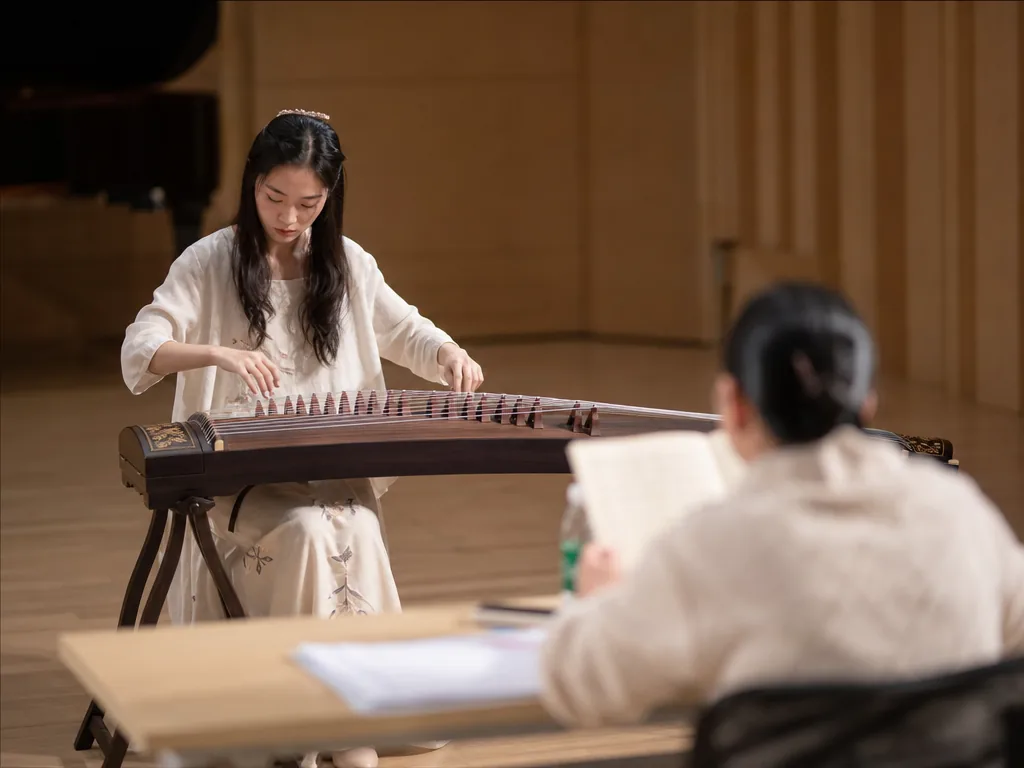
How to Grade a Guzheng (Chinese Zither): Materials: The Foundation of Quality
The type of wood used significantly impacts the instrument’s sound and durability.
Soundboard (Top Panel)
- Paulownia Wood (Tong Mu)——The most common material, offering a bright and resonant tone.
- Standard Grade——Younger paulownia (less aged, slightly brighter but less refined).
- High Grade——Aged paulownia (10+ years old, richer and more balanced tone).
- Premium Grade——Century-old paulownia (rare, deep resonance, used in professional guzheng).
Frame & Backboard
- Rosewood (Hong Mu)——Common in mid-range guzheng, good sustain.
- Sandalwood (Zi Tan) / Black Sandalwood (Hei Tan)——High-end, enhances bass response.
- Red Sandalwood (Suan Zhi Mu)——Premium choice, warm and powerful sound.
Decorative Elements
- Mother-of-pearl inlays (Luo Dian)——Indicates higher craftsmanship.
- Hand-carved designs——Found in luxury models.
Craftsmanship: Precision Matters
A well-made guzheng ensures stability, tuning accuracy, and longevity.
- Bracing Structure——Affects resonance and sustain.
- Bridge (Yan Zhu) Quality——High-end models use ox bone or synthetic ivory for better tuning stability.
- Lacquer Finish——Traditional raw lacquer (Da Qi) is more durable than synthetic coatings.
Sound Quality: The Ultimate Test
A high-grade guzheng should have:
- Deep, resonant bass——no buzzing
- Smooth midrange——balanced tone
- Clear, bright treble——not harsh
- Consistent volume——across all 21 strings
Professional guzhengs undergo extensive voicing by luthiers to optimize sound.
Brand & Luthier Reputation
Well-known brands like Dunhuang, Zhuque, and Longren are trusted for consistent quality. Handmade guzhengs by master luthiers (e.g., Shanghai Folk Instrument Factory’s custom models) are superior but costly.
Guzheng Grades & Recommended Models
| Grade | Player Level | Materials | Price Range (USD) | Example Models |
|---|---|---|---|---|
| Beginner | 1-3 years | Paulownia + Rosewood | $500 – $1,500 | Dunhuang 694KK, Zhuque 520 |
| Intermediate | 3-7 years | Aged paulownia + Sandalwood | $1,500 – $4,000 | Dunhuang 698T, Zhuque 850 |
| Professional | Advanced/Performers | Century paulownia + Black Sandalwood | $4,000+ | Dunhuang 698J, Zhuque 990 |
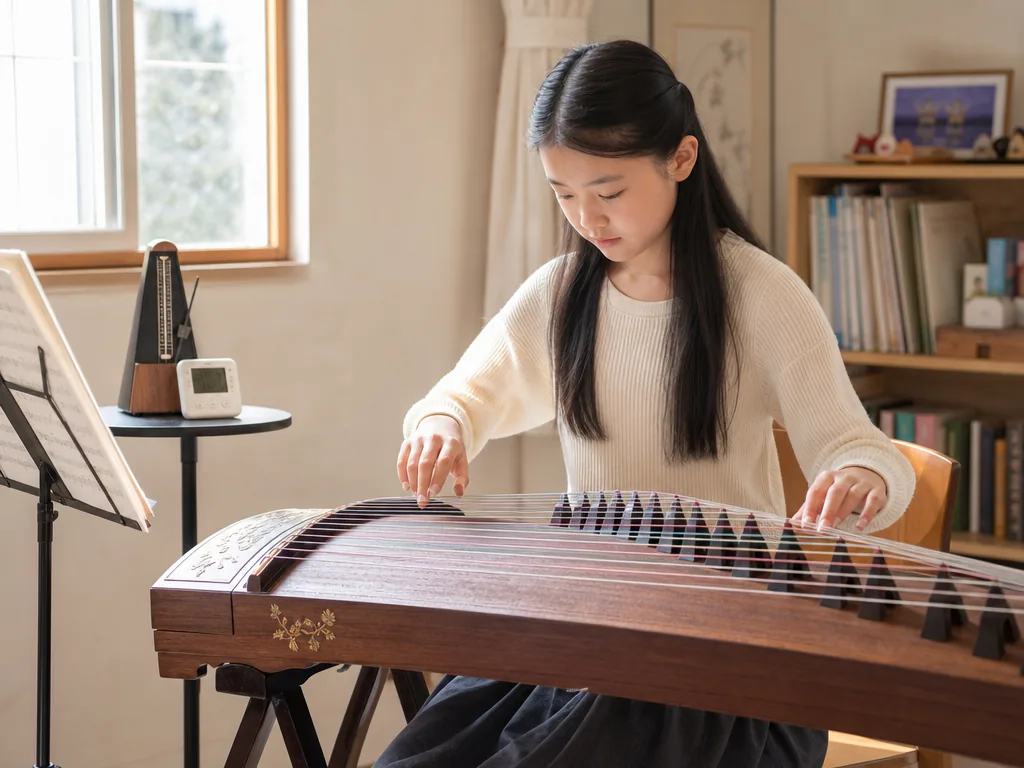
Maintenance Tips for Longevity
- Humidity Control——Keep at 50-60% RH to prevent cracking.
- Regular Tuning——Prevents string fatigue.
- Gentle Cleaning——Use a soft cloth, avoid chemicals.
Standards & Purchase Guide
Match the grade to your level of study and budget before you buy.
Beginner
1-3 years of study. Paulownia with a rosewood frame, around $500 – $1,500 — try Dunhuang 694KK or Zhuque 520.
Intermediate
3-7 years. Aged paulownia with sandalwood, $1,500 – $4,000 — look at Dunhuang 698T or Zhuque 850.
Professional
Advanced players and performers. Century paulownia with black sandalwood, $4,000+ — Dunhuang 698J or Zhuque 990.
Frequently Asked Questions (FAQ)
Q: What grade of guzheng should a beginner buy?
A beginner-grade instrument made of paulownia with a rosewood frame (around $500 – $1,500) is ideal for the first 1-3 years. Models such as the Dunhuang 694KK or Zhuque 520 are reliable starting points.
Q: Which wood matters most for sound quality?
The soundboard matters most. Paulownia (Tong Mu) is the standard choice, and the older it is, the richer the tone: aged paulownia (10+ years) gives a balanced sound, while century-old paulownia delivers the deep resonance of professional instruments.
Q: How can I tell if a guzheng is well made?
Check the bracing structure, the bridge material (ox bone or synthetic ivory is best), and the lacquer — traditional raw lacquer (Da Qi) outlasts synthetic coatings. Above all, listen: a good guzheng has deep, buzz-free bass, a smooth midrange, clear treble, and even volume across all 21 strings.
Q: How should I care for my guzheng?
Keep it at 50-60% relative humidity to prevent cracking, tune it regularly to avoid string fatigue, and clean it gently with a soft cloth — never harsh chemicals.
Further Resources & Next Steps
- Official Resources——Consult recognised makers and distributors such as Dunhuang, Zhuque, and Longren for specifications and warranty details.
- Further Reading——Explore guides on guzheng voicing, wood grading, and luthier craftsmanship to deepen your understanding.
- Parent Tips——Before buying, ask a teacher or experienced player to test tuning stability and the evenness of tone across all 21 strings.
Note: The information above is for reference only. Please consult professional education institutions for details.
This article was initially drafted and organised with AI. Editor / Professor Chan Kwok-wai; Managing Editor / Kong Yee-leung
Act Now: Find a Tutor / Register as a Tutor
For parents & students: looking for a home or online tutor for this subject? Click the button below to post a free tuition case (subject, level and preferred time) — TutorZone will match you with suitable tutors:
For tutors: do you teach this subject? Click the button below to register for free and receive more suitable cases — you pay only when a match is made: