
 Chinese (Traditional)
 Chinese (Simplified)
 English



Grading Standard of Timpani – The Essential Guidelines for Percussionists
TUTORZONE SUBJECT GUIDE · PERCUSSION
From tuning accuracy to stage presence, this guide breaks down the complete grading standard for the Timpani — technical skills, musicality, expressiveness, ensemble coordination, and stage presence — so percussionists know exactly what examiners are listening for.
Direct Answer:What are the grading criteria for timpani?
Timpani grading covers technical skills, musicality, expressiveness, ensemble coordination, and stage presence, including tuning accuracy and stage。
The Importance of Timpani
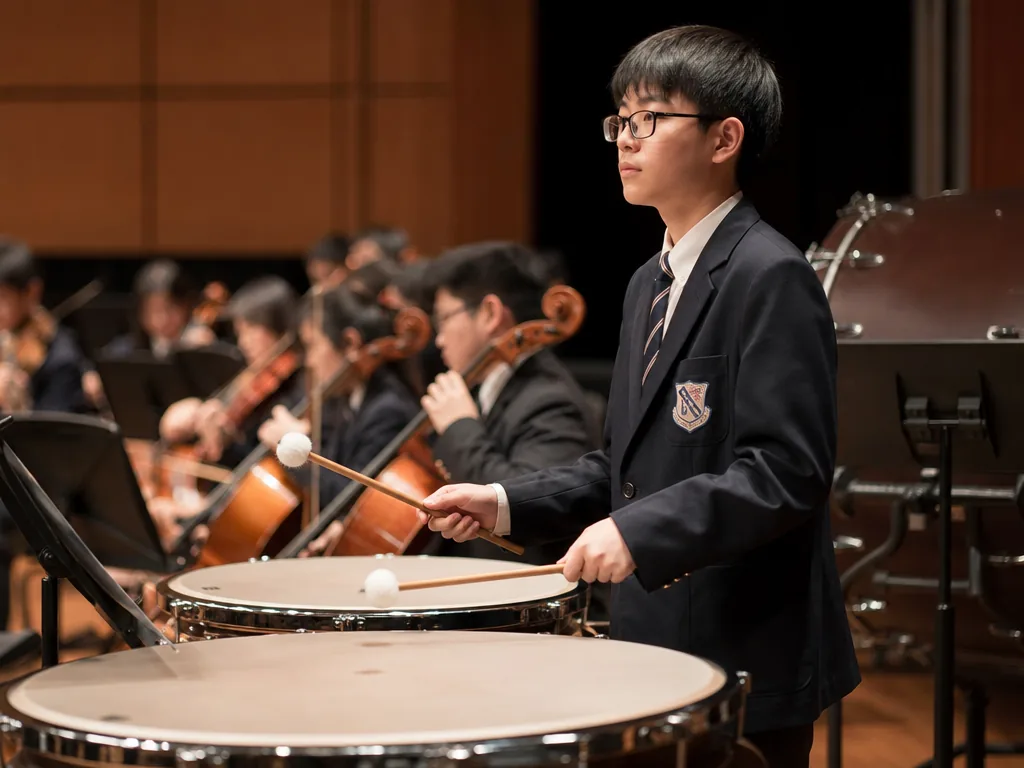
The Timpani, known as the Timpani in Western music, is a fundamental percussion instrument in both traditional Chinese orchestras and Western symphonic settings. With its tunable pitch, the Timpani serves not only as a rhythm keeper but also contributes harmonically to the overall sound. The grading standard for this instrument is extensive and emphasizes technical proficiency, musicality, expressiveness, and ensemble coordination. Understanding these grading criteria is essential for musicians to achieve excellence and stand out in their performances.
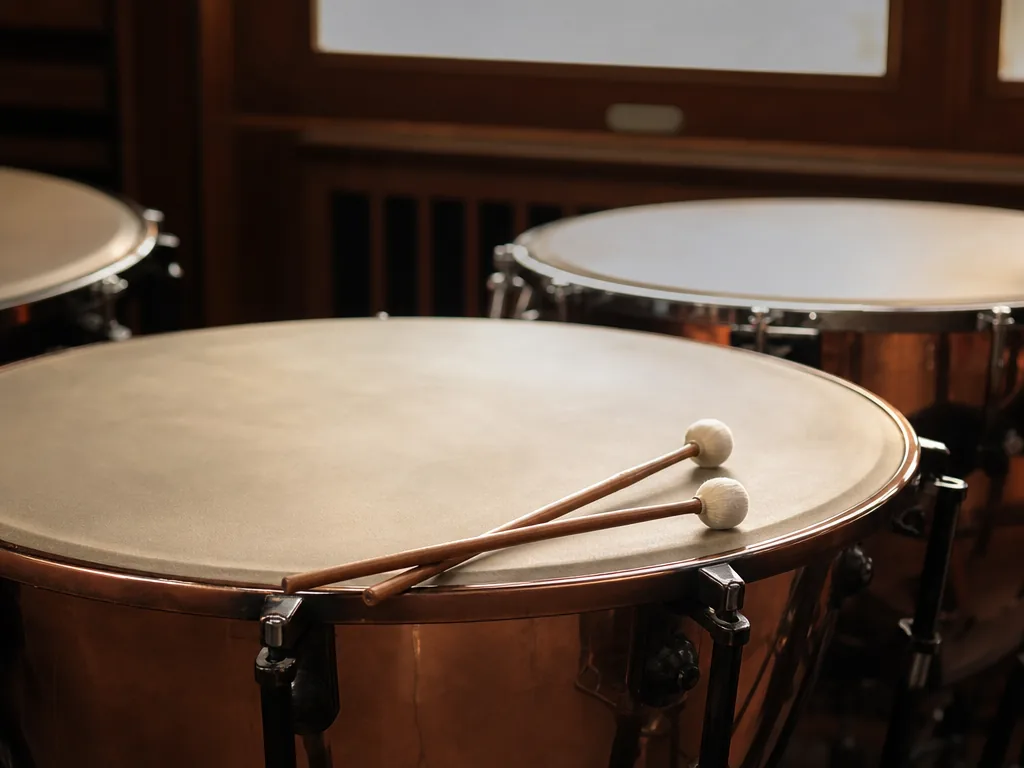
The Timpani is characterized by its large, bowl-shaped body, with a membrane stretched over it. The pitch is adjustable by foot pedals or hand tools, allowing the player to produce different notes, making it a versatile instrument. In both orchestral and ensemble settings, the Timpani can perform multiple roles:
- Rhythmic Foundation——The instrument often anchors the rhythm section in orchestral music, keeping the tempo steady and providing a strong percussive backbone.
- Harmonic Support——As a pitched percussion instrument, the Timpani contributes to the harmonic texture of a performance by complementing melodic instruments such as strings and winds.
- Dramatic Emphasis——In many pieces, the Timpani is used for dramatic moments, adding intensity and emotional depth, particularly during crescendos or climactic sections of a composition.
Given its pivotal role, it’s crucial that players are evaluated based on a clear and detailed grading system to ensure that their performance meets the expected standards in both technical and musical aspects.
Key Grading Areas at a Glance
Grading a Timpani player involves assessing several categories: technical skills, musicality, expressiveness, ensemble coordination, and stage presence. Below, we break down each of these areas in detail.
Technical Skills
Tuning accuracy, mallet technique and control, and pedal coordination for a clean, resonant tone.
Musicality
Dynamic range, phrasing, and interpretation that turn rhythm into emotional storytelling.
Expressiveness
Control over crescendos and decrescendos to build tension and release.
Ensemble Coordination
Rhythmic precision and balance that keep the timpanist in sync with the group.
Stage Presence
Confidence, focus, and engagement that connect with conductor and audience.
Technical Skills
Tuning Accuracy
One of the most important aspects of Timpani performance is tuning. The player must demonstrate a clear understanding of how to adjust the pitch of the drum by manipulating the foot pedals or hand tools. The grading focuses on:
- Precise Tuning——The player must be able to tune the drum accurately before and during a performance.
- Speed of Tuning——In many pieces, players need to quickly adjust the pitch of their drums without disrupting the flow of the music. Graders assess how fast and accurately the performer can make these adjustments.
Mallet Technique and Control
The player’s ability to strike the Timpani cleanly is another important grading criterion. This category evaluates the performer’s mallet technique and control, which are vital for producing a clean, resonant tone. Grading focuses on:
- Mallet Control——The player should demonstrate control over the mallet’s weight, speed, and precision to create a wide range of tones, from soft whispers to loud, booming sounds.
- Articulation——The Timpani player is expected to produce clear and distinct notes with accurate articulation. Grading evaluates how well the player achieves this, particularly during rapid passages or when executing specific articulations like staccato or legato.
Pedal Control (For Modern Timpani)
For modern Timpani instruments that utilize foot pedals to adjust the pitch, players are graded on their ability to maintain pitch stability while making adjustments. Key points of assessment include:
- Foot Pedal Coordination——The player must demonstrate effective coordination between their hands and feet to adjust the drum’s pitch quickly and accurately during performance.
- Pitch Stability——Graders assess the player’s ability to ensure that the pitch remains stable throughout the performance, even during rapid transitions or dynamic changes.
Musicality and Expressiveness
Technical skills are important, but musicality is what truly elevates a Timpani performance. Grading in this category focuses on the performer’s ability to bring emotion and dynamics into their playing.
Dynamic Range and Control
The Timpani has a broad dynamic range, and the performer is expected to execute this effectively. Graders look for:
- Varied Dynamics——The player should be able to produce soft and loud sounds, maintaining control over the volume without distorting the tone.
- Crescendos / Decrescendos——The performer should also be able to gradually increase or decrease volume to create tension and release in the music, adding a layer of expressiveness to the performance.
Phrasing and Interpretation
A Timpani player is not just a rhythm keeper but also an emotional storyteller. Grading evaluates the player’s ability to shape phrases and interpret the music. Key elements assessed include:
- Phrasing——The ability to shape musical phrases, especially during long or sustained notes, is important. Graders assess how well the player balances tension and release within phrases.
- Interpretation of Style——The player should demonstrate an understanding of the musical style, whether performing a classical symphony or a traditional Chinese piece. The grading process looks for how the player interprets the mood and emotional content of the music.
Ensemble Coordination
In ensemble settings, particularly orchestras or large ensembles, the Timpani player’s ability to coordinate with others is essential. This aspect of grading evaluates how well the performer listens to and interacts with the group.
Rhythmic Precision
The Timpani player often serves as the timekeeper in the ensemble. Grading evaluates how accurately the performer maintains the tempo and rhythm throughout the piece. This includes:
- Timing with the Conductor——The player must follow the conductor’s cues and stay in sync with the overall performance.
- Consistency——Graders assess whether the player can keep a consistent rhythm, especially in fast sections or when performing with other percussionists.
Balance and Blend with Other Instruments
The Timpani should complement the other instruments in the ensemble without overpowering them. Grading in this category focuses on:
- Volume Control——The player should adjust their volume to blend well with other instruments, ensuring that the sound of the Timpani does not dominate the performance.
- Harmonizing——In pieces where the Timpani contributes to the harmony, the player should blend seamlessly with other harmonic instruments such as strings or brass.
Stage Presence and Performance
The final grading area assesses how well the performer presents themselves on stage, contributing to the overall musical experience.
Confidence and Focus
Grading evaluates the player’s level of engagement and focus during the performance. Key elements include:
- Posture and Poise——The performer should maintain a strong and confident stage presence, demonstrating that they are in control of their performance.
- Concentration——Players are assessed on their ability to stay focused throughout the entire piece, maintaining energy and attention to detail.
Engagement with the Audience
A Timpani player must connect with both the conductor and the audience. Grading evaluates:
- Interaction with Other Musicians——The player should maintain eye contact with the conductor or fellow musicians, ensuring clear communication.
- Expressive Movement——The performer should use expressive body movements and gestures to enhance the emotional impact of the performance.
Conclusion
The Timpani is a complex and nuanced instrument that requires a diverse set of skills. Grading standards for this instrument evaluate technical proficiency, musicality, ensemble coordination, and stage presence. A player who masters these areas can produce a performance that is both technically sound and emotionally powerful, contributing significantly to the overall ensemble. Understanding and excelling in these grading standards is crucial for any percussionist seeking to perform at a high level.
Frequently Asked Questions (FAQ)
Q: What are the main areas evaluated in a Timpani grading exam?
Grading typically covers five categories — technical skills (tuning accuracy, mallet technique, pedal control), musicality and expressiveness (dynamic range, phrasing, interpretation), ensemble coordination (rhythmic precision, balance and blend), and stage presence (confidence, focus, and audience engagement).
Q: Why is tuning accuracy so important for the Timpani?
The Timpani is a pitched percussion instrument whose pitch is adjusted via foot pedals or hand tools. Because it contributes harmonically as well as rhythmically, precise and fast tuning is essential — players are graded on tuning accurately before and during a performance, and on adjusting pitch quickly without disrupting the flow of the music.
Q: How is stage presence assessed?
Examiners look at posture and poise, sustained concentration throughout the piece, eye contact with the conductor and fellow musicians, and expressive body movements that enhance the emotional impact of the performance.
Q: Is the Timpani used only in Western orchestras?
No. The Timpani is a fundamental percussion instrument in both traditional Chinese orchestras and Western symphonic settings, where it anchors the rhythm section, supports harmony, and adds dramatic emphasis at climactic moments.
Further Resources & Next Steps
- Official Resources——Check the syllabus and grade descriptors issued by your local examination board (such as ABRSM or Trinity College London) for the official Timpani grading criteria.
- Further Reading——Study orchestral scores by composers such as Beethoven, Mahler, and Tchaikovsky to see how the Timpani is used for rhythmic foundation, harmonic support, and dramatic emphasis.
- Parent Tips——Encourage regular, slow practice of tuning and mallet control, and arrange ensemble opportunities so young percussionists learn to listen and coordinate with other musicians.
Note: The information above is for reference only. Please consult professional education institutions for details.
This article was initially drafted and organised with AI. Editor / Professor Chan Kwok-wai; Managing Editor / Kong Yee-leung
Act Now: Find a Tutor / Register as a Tutor
For parents & students: looking for a home or online tutor for this subject? Click the button below to post a free tuition case (subject, level and preferred time) — TutorZone will match you with suitable tutors:
For tutors: do you teach this subject? Click the button below to register for free and receive more suitable cases — you pay only when a match is made: