 Chinese (Traditional)
 Chinese (Simplified)
 English


Hong Kong Elite Kindergarten Interview Training: The Ultimate 2024 Guide for Parents
@keyframes tzPulseO { 0%,100% { box-shadow: 0 0 0 0 rgba(255,140,0,.55); transform: scale(1); } 50% { box-shadow: 0 0 0 14px rgba(255,140,0,0); transform: scale(1.04); } }
@keyframes tzPulseN { 0%,100% { box-shadow: 0 0 0 0 rgba(2,30,64,.5); transform: scale(1); } 50% { box-shadow: 0 0 0 12px rgba(2,30,64,0); transform: scale(1.04); } }
.tz-blink-o { animation: tzPulseO 1.6s ease-in-out infinite; }
.tz-blink-n { animation: tzPulseN 1.6s ease-in-out infinite .35s; }
TUTORZONE SUBJECT GUIDE · Hong Kong Elite Kindergarten Interview Training
For many parents in Hong Kong, securing a place in a top-tier kindergarten or primary school is a high-stakes mission. Competition is fierce, and interview performance can make or break an application—even for toddlers as young as two—so here is a complete breakdown of the assessment criteria, age-specific training strategies, and parent preparation tips you need.
Direct Answer:What is Hong Kong elite kindergarten interview training?
Hong Kong elite kindergarten interview training prepares young children for competitive top-tier kindergarten and primary school interviews, where 。

Hong Kong Elite Kindergarten Interview Training: Core Interview Evaluation Criteria
Elite kindergartens and primary schools in Hong Kong assess children across five major developmental areas:
| Dimension | Typical Tasks | What Schools Look For |
|---|---|---|
| Language Skills | Bilingual Q&A, picture-based storytelling | Vocabulary range, clarity, logical flow |
| Cognitive Ability | Shape matching, basic math | Problem-solving skills, learning potential |
| Social Skills | Group games, sharing behavior | Cooperation, emotional regulation |
| Motor Coordination | Bead threading, gross motor tasks | Physical maturity, coordination |
| Etiquette & Behavior | Greetings, posture, eye contact | Manners, discipline, family upbringing |
Age-Specific Training Focus
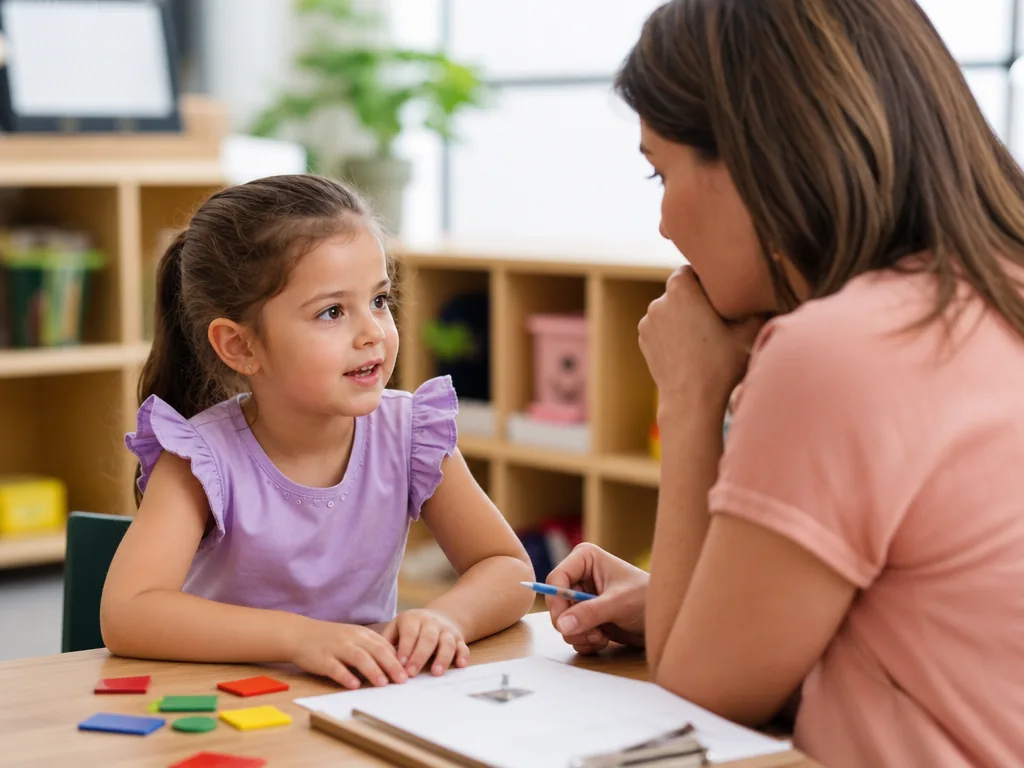
Age 2–3 (PN Class Interviews)
- Core Focus——Understanding basic instructions, e.g. “Please give me the red block.”
- Simulation Practice——Simple greetings (name, age); basic shape recognition.
- Target Schools——Victoria Kindergarten, Po Shan Kindergarten.
Age 3–4 (K1 Interviews)
- Advanced Requirements——Tell a simple story (3–5 sentences) based on pictures; follow 3-step commands: “Pick up a block → Give it to the teacher → Clap your hands.”
- Sample Question (from Po Shan)——A classic Po Shan interview logic check:
if child_can_identify_triangle: proceed_to_next_round; else: might_be_filtered_out.
Age 5–6 (Primary 1 Interviews)
- Increased Complexity——Group discussion, e.g. “How would you share the toys?”; scenario questions, e.g. “What would you do if your classmate is crying?”
- School-Specific Highlights——St. Paul’s Co-Ed: English impromptu speech; Diocesan Primary School: creative drawing with explanation.
Practical Interview Training Methods
Language Expression
- 3-3-3 Dialogue Method——3 times a day, 3 minutes each, focus on 3 questions. Sample prompts: “What made you happy today?”; “How many animals are in this picture?”
- Story Relay Game (great for logic + creativity)——
Parent starts story → Child adds a sentence → Parent continues plot → Child finishes the story.
Cognitive Development
- Memory Game——Show 5 objects → cover them → ask your child to recall in order.
- Logic Puzzles——“Dog, cat, rabbit — which one is different, and why?”
Social Skills Practice
- Turn-Taking Games——Tower-building race using blocks (builds patience).
- Conflict Simulation——Set up scenarios where kids must negotiate toy sharing.
Parent Preparation Checklist
Interview Outfit Guide
| Child Outfit | Parent Outfit |
|---|---|
| Plain polo + khakis | Smart casual attire |
| Simple dress | Neutral-tone suit set |
✗ Avoid: Cartoon prints, flashy accessories.
✗ Parents: No shorts, no flip-flops.
Top 10 Essential Parent Interview Q&A
- Q: “Why did you choose our school?”——✓ Say: “We admire your school’s [specific philosophy].” ✗ Don’t say: “It’s close to home” or “My friend recommended it.”
- Q: “What are your child’s strengths and weaknesses?”——✓ Say: “He’s creative and imaginative, and we’re helping him tidy up better after playtime.”
2024 Interview Trends to Watch
- Technology Integration——Some schools now use iPads for interactive tests.
- Parental Involvement——Up to 40% of the interview score may include parent performance.
- Hidden Assessments——Waiting room behavior is now quietly observed and evaluated.
Free Self-Training Resources
- Education Bureau’s Kindergarten Interview Guide——Includes standardized assessment templates.
- YouTube Channels——HappyKids HK: real-life mock interviews; ParentEd: expert breakdown of assessment criteria.
Pro Tip: Just 20 minutes of scenario-based play daily is far more effective than last-minute cramming. Focus on developing genuine, spontaneous responses—interviewers can easily spot rehearsed answers!
Frequently Asked Questions (FAQ)
Q: At what age should I start preparing my child for elite school interviews?
Most families begin around age 2, when PN (pre-nursery) class interviews start. Training at this stage focuses on simple instruction-following, greetings, and basic shape recognition, and gradually builds toward storytelling and group discussion by the K1 and Primary 1 stages.
Q: What are schools really looking for in an interview?
Interviewers assess five developmental areas—language skills, cognitive ability, social skills, motor coordination, and etiquette and behavior. Beyond the child’s answers, many schools also quietly observe waiting-room behavior and weigh parent performance in the final score.
Q: How much daily practice is enough?
Quality beats quantity. Around 20 minutes of scenario-based play each day—such as the 3-3-3 dialogue method or turn-taking games—is more effective than last-minute cramming, and it helps children build genuine, spontaneous responses.
Q: What should my child (and I) wear to the interview?
A plain polo with khakis or a simple dress works well for children; parents should opt for smart casual or a neutral-tone suit set. Avoid cartoon prints, flashy accessories, shorts, and flip-flops.
Further Resources & Next Steps
- Official Resources——The Education Bureau’s Kindergarten Interview Guide includes standardized assessment templates.
- Further Reading——HappyKids HK (real-life mock interviews) and ParentEd (expert breakdown of assessment criteria) on YouTube.
- Parent Tips——Keep practice short and playful: 20 minutes of scenario-based play daily, and focus on genuine, spontaneous responses rather than rehearsed answers.
Note: The information above is for reference only. Please consult professional education institutions for details.
This article was initially drafted and organised with AI. Editor / Professor Chan Kwok-wai; Managing Editor / Kong Yee-leung
Act Now: Find a Tutor / Register as a Tutor
For parents & students: looking for a home or online tutor for this subject? Click the button below to post a free tuition case (subject, level and preferred time) — TutorZone will match you with suitable tutors:
For tutors: do you teach this subject? Click the button below to register for free and receive more suitable cases — you pay only when a match is made: