 Chinese (Traditional)
 Chinese (Simplified)
 English


A Complete Parent’s Guide to Language Learning from Ages 3 to 6
TUTORZONE SUBJECT GUIDE · KINDERGARTEN
What exactly is Hong Kong Early Childhood English, what does it look like in kindergartens, and how can parents support their children’s English learning at home? This comprehensive guide breaks down the goals, methods, and unique features of English education in Hong Kong’s early childhood curriculum.
Direct Answer:What is Hong Kong Early Childhood English?
Hong Kong Early Childhood English refers to English education in kindergartens, with goals, methods, and unique features that parents can support a。
What Is Early Childhood English in Hong Kong?
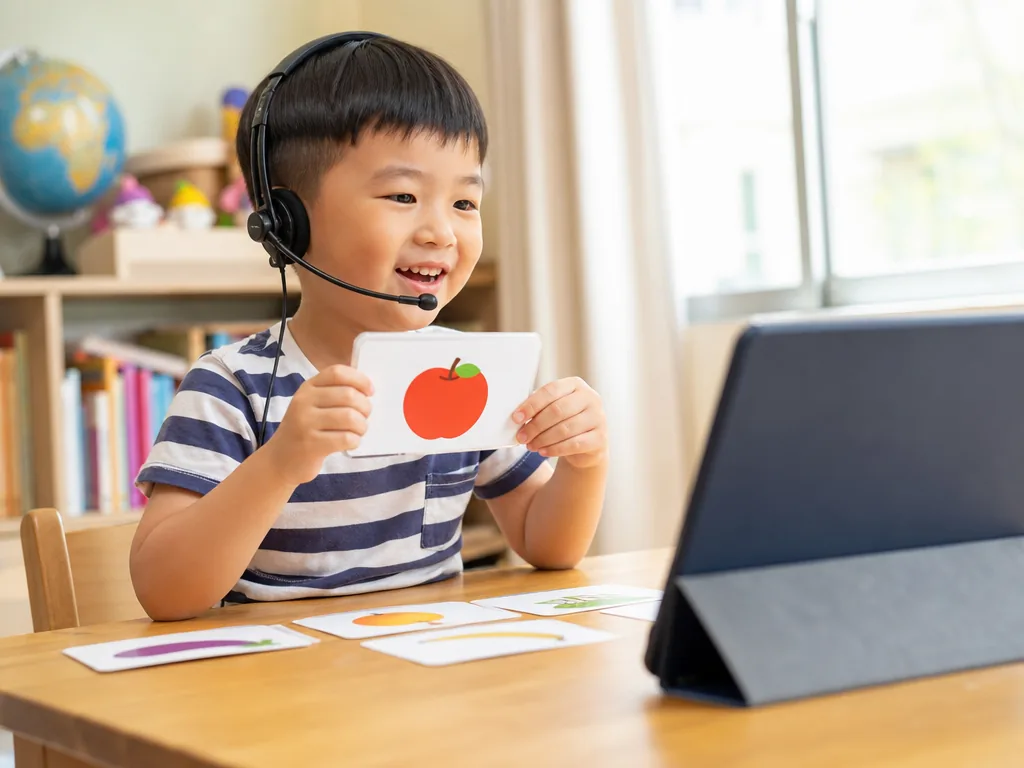
Early Childhood English in Hong Kong refers to the structured yet playful teaching of English to children aged 3 to 6 (from K1 to K3). It is part of the Kindergarten Education Curriculum Guide issued by the Education Bureau (EDB), with a focus on language exposure, listening, speaking, and pre-reading and pre-writing skills—not formal grammar drills or rote memorization.
The aim is to develop interest and confidence in using English through stories, songs, games, and interactions in everyday situations.
Core Objectives of English Learning in Hong Kong Kindergartens
The early childhood English curriculum in Hong Kong is designed to help children:
Develop Listening and Speaking Skills
- Understand and respond to simple English instructions
- Express basic ideas in English
- Ask and answer simple questions
- Follow stories, songs, and rhymes
Cultivate Interest and Confidence
- Enjoy English storytelling, music, and play
- Build confidence using English in class and daily interactions
- Feel comfortable communicating with teachers and peers
Lay a Foundation for Reading and Writing
- Recognize letters of the alphabet
- Develop phonemic awareness (e.g. sounds of letters)
- Understand how print works (left to right, top to bottom)
- Begin tracing letters and writing simple words
How Is English Taught in Hong Kong Kindergartens?
1. Play-Based, Activity-Centered Approach
Hong Kong kindergartens use interactive and experiential learning to engage young learners in English. Common methods include:
- Songs and chants to reinforce vocabulary and pronunciation
- Picture books and storytelling to introduce sentence structures and vocabulary
- Role-play and puppetry to practice conversational English
- Games and group activities to encourage participation
2. Native or Near-Native English Teachers
Many kindergartens employ NETs (Native-speaking English Teachers) or teachers fluent in English to create an immersive language environment. This boosts children’s natural language acquisition, especially in pronunciation and comprehension.
3. Theme-Based Curriculum
English is often taught within themes that are relevant to a child’s daily life, such as:
- My Family
- Food and Drinks
- Animals
- Colours and Shapes
- Weather and Seasons
This makes learning more meaningful and easier to connect with real-life situations.
4. Visuals and Multisensory Materials
Teachers use flashcards, storybooks, videos, puppets, real objects (realia), and digital tools to enhance comprehension and engagement.
Common Topics and Vocabulary Taught (Ages 3–6)
Here are some common areas of focus across the three kindergarten levels:
| Level | Common Topics | Language Skills Focused |
|---|---|---|
| K1 | Colours, body parts, toys, emotions | Listening & responding, vocabulary building |
| K2 | Food, animals, family, simple verbs | Expressing needs, simple questions |
| K3 | Weather, places, routines, transport | Story retelling, basic writing |
How Is Progress Assessed?
Unlike primary schools, there are no formal tests or exams in kindergartens. Instead, teachers observe and document children’s progress through:
- Portfolios
- Audio/video recordings
- Class participation
- Simple worksheets or activity books (mainly in K2–K3)
The focus is on individual development and cultivating a love for language.
How Can Parents Support English Learning at Home?
You don’t need to be fluent in English to support your child! Here are some tips:
- 📚 Read English storybooks together daily
- 🎶 Play English songs and nursery rhymes
- 🎲 Use educational games and English apps
- 💬 Encourage speaking: Let your child tell you about their day in English
- 🧸 Label items at home: Use sticky notes to label “door,” “chair,” “table,” etc.
Even simple daily routines—like brushing teeth or setting the table—can be turned into English learning moments.
The Bilingual Advantage in Hong Kong
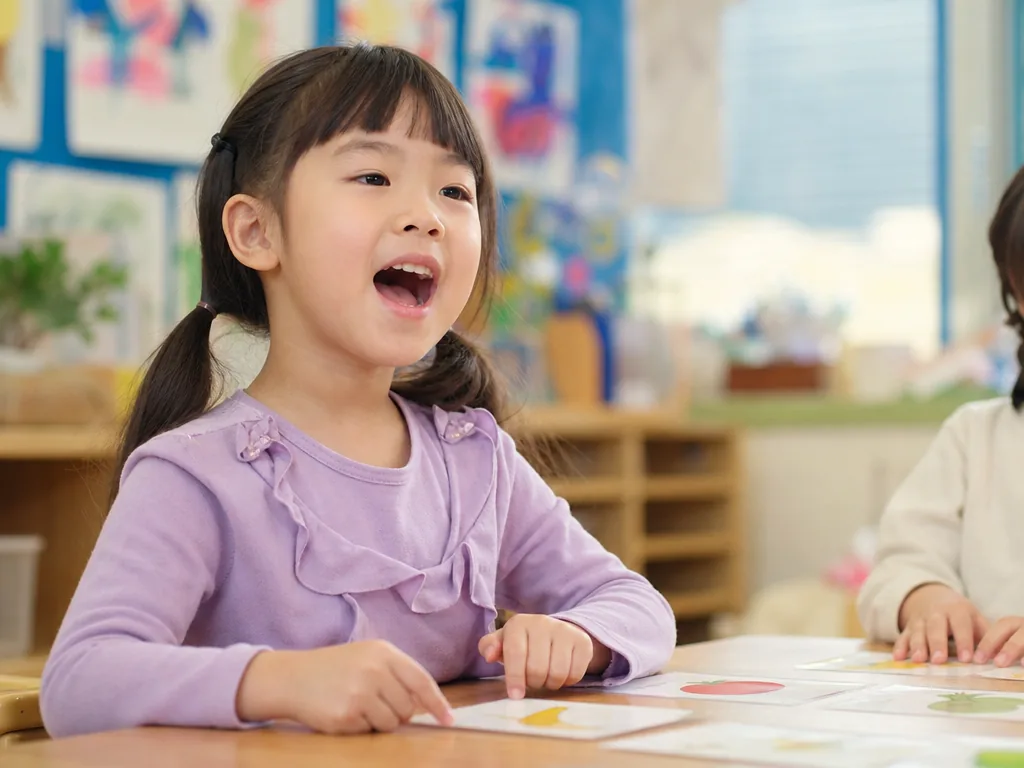
Thanks to Hong Kong’s bilingual environment, many children grow up speaking Cantonese at home and learning English at school. This creates a rich linguistic foundation. Research shows that bilingual children often develop better memory, problem-solving, and communication skills.
However, the key is to keep learning fun, consistent, and pressure-free.
Final Thoughts: Early English Is a Gift, Not a Race
Hong Kong Early Childhood English education isn’t about pushing children to master grammar or spelling before Primary One. It’s about developing communication skills, confidence, and curiosity through exposure and engagement.
When children associate English with stories, games, and play, they build a positive relationship with the language that lasts far beyond kindergarten.
So whether you’re a parent, educator, or caregiver, your role in creating a rich and encouraging English environment is vital. After all, language is not just taught—it’s lived.
Frequently Asked Questions (FAQ)
Q: At what age should my child start learning English in Hong Kong?
Kindergarten English typically begins around age 3 (K1), but everyday exposure through songs, stories, and play can start even earlier.
Q: Do Hong Kong kindergartens give English tests or exams?
No. Kindergartens use no formal tests or exams. Teachers observe and document progress through portfolios, audio/video recordings, class participation, and simple worksheets or activity books (mainly in K2–K3).
Q: Do I need to be fluent in English to help my child at home?
Not at all. Reading storybooks together, playing English songs and nursery rhymes, using educational games, and labelling household items can all support learning without fluency.
Q: Should I worry if my child mixes Cantonese and English?
Mixing languages is a normal part of bilingual development. Keep exposure fun, consistent, and pressure-free, and the two languages will reinforce each other over time.
Further Resources & Next Steps
- Official Resources——The Education Bureau (EDB) “Kindergarten Education Curriculum Guide” outlines the goals and methods of early childhood English in Hong Kong.
- Further Reading——Age-appropriate English picture books and nursery-rhyme collections (ages 3–6) for daily read-alouds.
- Parent Tips——Turn everyday routines into English moments: label items at home, sing songs together, and let your child retell their day in English.
Note: The information above is for reference only. Please consult professional education institutions for details.
This article was initially drafted and organised with AI. Editor / Professor Chan Kwok-wai; Managing Editor / Kong Yee-leung
Act Now: Find a Tutor / Register as a Tutor
For parents & students: looking for a home or online tutor for this subject? Click the button below to post a free tuition case (subject, level and preferred time) — TutorZone will match you with suitable tutors:
For tutors: do you teach this subject? Click the button below to register for free and receive more suitable cases — you pay only when a match is made: