
 Chinese (Traditional)
 Chinese (Simplified)
 English



DSE Drama tutor
TUTORZONE SUBJECT GUIDE · DSE
DSE Drama is a hands-on Arts Education elective that trains students in performance, production and theory — from character development and stagecraft to critical writing — preparing them for further study and careers in the performing arts.
Direct Answer:What is DSE Drama?
DSE Drama is a hands-on Arts Education elective training students in performance, production, and theory, including character development, stagecra。
Subject Positioning and Objectives
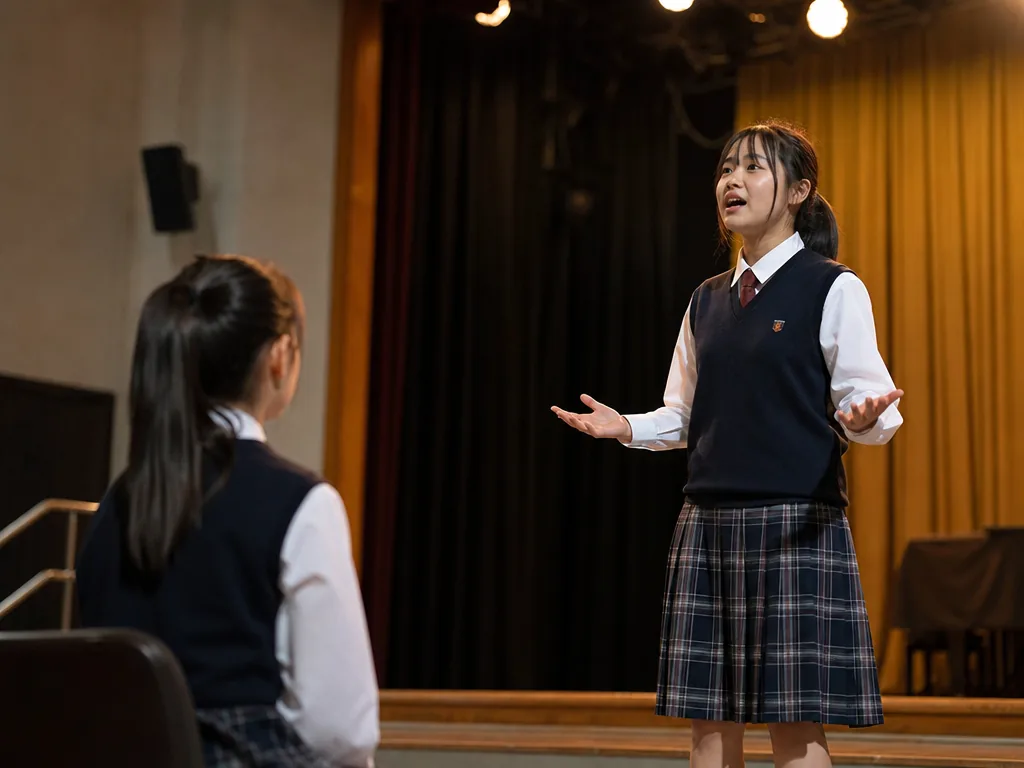
DSE Drama is an elective subject under the Arts Education curriculum of the Hong Kong Diploma of Secondary Education (HKDSE). It aims to cultivate students’ performance techniques, theatre production skills, and critical thinking in the arts through both theory and practice. The curriculum covers dramatic creation, script analysis, stagecraft, and aesthetic appreciation, helping students develop creative expression and collaborative abilities. It provides a solid foundation for further studies in performing arts, cultural management, or related fields.
Curriculum Content and Assessment Scope
The curriculum is divided into three major domains: performance, production, and theory, emphasizing the “learning by doing” approach.
The whole curriculum is built on “learning by doing” — theory is tested on the stage.
Performance
Acting, improvisation and script interpretation brought to life in front of an audience.
Production
Stage design, costume, lighting, directing and stage management behind the scenes.
Theory
Drama history, aesthetics and critical writing that sharpen the analytical eye.
Core Units (Compulsory)
Performance Techniques and Creation
- Character development: Emotional memory (Method Acting), physical expression (Physical Theatre)
- Improvisation: Situational responses, collective creation (Devising Theatre)
- Script interpretation: Classic texts (e.g., Shakespeare) and contemporary works (e.g., Hong Kong local plays)
Theatre Production and Technical Skills
- Stage design: Integration of set, lighting, and sound
- Costume and makeup: Period research (e.g., historical dramas), stylized design
- Directing and stage management: Scene blocking, scheduling and planning
Drama Theory and Criticism
- History of drama: Western drama (Ancient Greek tragedy) vs. Eastern drama (Chinese opera, Japanese Noh)
- Theatre aesthetics: Realism, symbolism, postmodern theatre
- Critical writing: Analyzing the strengths and weaknesses of performances (e.g., acting, directing methods)
Elective Units (Choose One from Three)
- Drama education: Designing workshops, community theatre practice
- Multimedia theatre: Experimental performances incorporating projection and VR technology
- Cultural research project: Explore Hong Kong drama development or specific playwrights (e.g., Raymond To)
Assessment Criteria and Exam Structure
Public Exam (50%)
| Paper | Content | Weight | Duration |
|---|---|---|---|
| Paper 1 | Written Exam (Theory and Criticism) | 30% | 2 hours |
| Paper 2 | Practical Exam (Individual Performance or Group Production) | 20% | Live Assessment (approx. 30 minutes) |
School-Based Assessment (SBA, 50%)
Creative Portfolio:
- 1 individual performance video (e.g., monologue)
- 1 group production documentation (e.g., stage design process and reflection)
Thematic Study:
- Research on a drama topic (e.g., “Social Critique in Hong Kong Absurd Theatre”) presented as a written report or short video
Grading Scale
Graded from Level 5 (highest) to Level 1 (lowest). Achieving Level 3 may fulfill entry requirements for some university arts programs.
Course Features and Challenges
Practice-Oriented
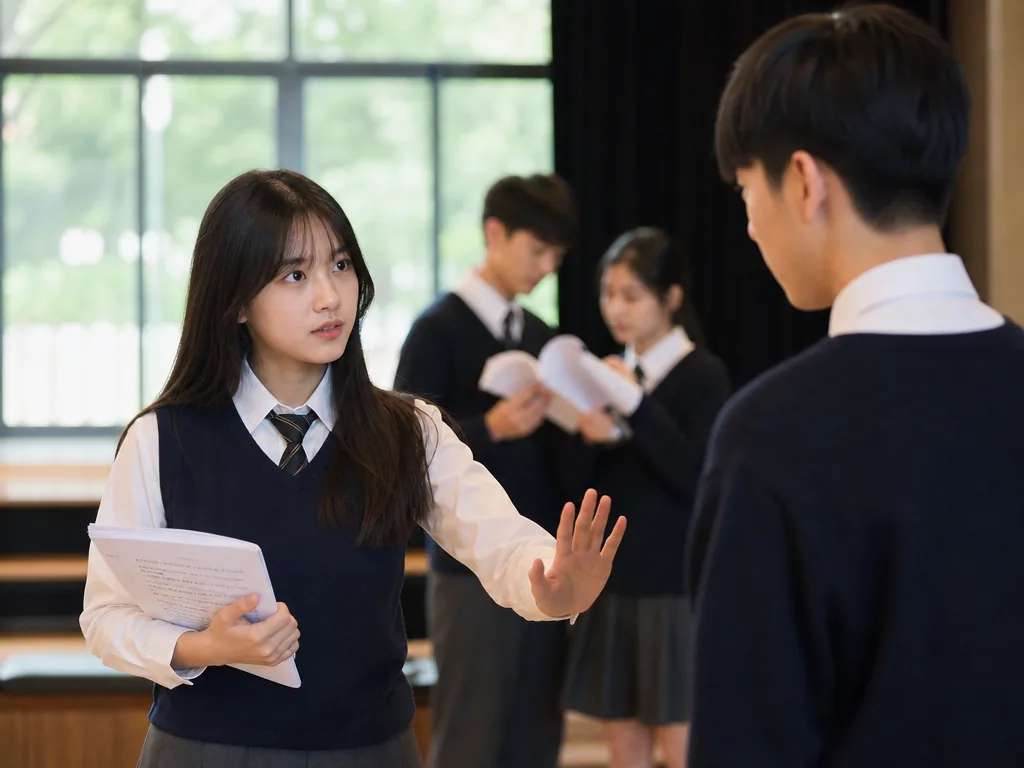
- Requires participation in at least one public performance (e.g., school drama festival)
- Technical modules require hands-on skills (e.g., operating lighting control systems)
Interdisciplinary Integration
- Combines literature (script analysis), history (evolution of drama), and technology (multimedia applications)
- Teamwork is essential (e.g., coordination between actors and technical crew)
Critical Thinking Development
- Students must evaluate works from the perspectives of audience, actor, and director
- Exam questions often ask for comparison of different versions of classic plays (e.g., stage and film versions of Hamlet)
Exam Preparation Tips
- Attend Performances: Watch productions by local theatre groups (e.g., Hong Kong Repertory Theatre, Zuni Icosahedron)
- Technical Practice: Familiarize with QLab (sound software) and basic lighting programming
- Script Study: Annotate character motivations and subtext
- Physical Training: Enhance physical expressiveness (e.g., dance, yoga)
Pathways for Further Study and Career
- Local further study: School of Drama at the Hong Kong Academy for Performing Arts, CUHK Cultural Studies
- Overseas study: Royal Academy of Dramatic Art (RADA), NYU Tisch School of the Arts
- Career options: Actor, theatre director, arts administrator, drama therapist
Final Notes
This subject is suitable for imaginative students who are willing to step out of their comfort zones. Even those without performance experience can excel through technical or theoretical modules. The curriculum values the learning process over outcomes, aiming to foster lifelong artistic literacy.
Frequently Asked Questions (FAQ)
Q: Is performance experience required to take DSE Drama?
No. Students without prior performance experience can excel through the technical or theoretical modules, such as stage design, costume and makeup, and critical writing.
Q: How is the subject assessed?
A public exam accounts for 50% (Paper 1 written, Paper 2 practical), while school-based assessment (SBA) accounts for the other 50%, including a creative portfolio and a thematic study.
Q: What careers can DSE Drama lead to?
Common pathways include actor, theatre director, arts administrator and drama therapist, with further study at institutions such as the Hong Kong Academy for Performing Arts, CUHK, RADA or NYU Tisch.
Q: How should I prepare for the exam?
Attend local theatre productions, practise technical tools such as QLab and lighting, annotate scripts for character motivation and subtext, and build physical expressiveness through dance or yoga.
Further Resources & Next Steps
- Official Resources——Education Bureau of Hong Kong (www.edb.gov.hk/en/index.html).
- Further Reading——Classic scripts such as Shakespeare’s Hamlet alongside Hong Kong local plays for comparison study.
- Parent Tips——Encourage your child to watch live theatre regularly and discuss the performances together to build critical appreciation.
Note: The information above is for reference only. Please consult professional education institutions for details.
This article was initially drafted and organised with AI. Editor / Professor Chan Kwok-wai; Managing Editor / Kong Yee-leung
Act Now: Find a Tutor / Register as a Tutor
For parents & students: looking for a home or online tutor for this subject? Click the button below to post a free tuition case (subject, level and preferred time) — TutorZone will match you with suitable tutors:
For tutors: do you teach this subject? Click the button below to register for free and receive more suitable cases — you pay only when a match is made: