
 Chinese (Traditional)
 Chinese (Simplified)
 English



The origins of Latin dance
TUTORZONE SUBJECT GUIDE · HOBBIES
Latin dance is a family of energetic, expressive dance styles born in Latin America. This guide traces its African, European and indigenous roots, explores its five main styles, and explains how it grew into a worldwide competition and social-dance phenomenon.
Direct Answer:What are the origins of Latin dance?
Latin dance is a family of energetic, expressive styles born in Latin America, blending African, European, and indigenous roots.
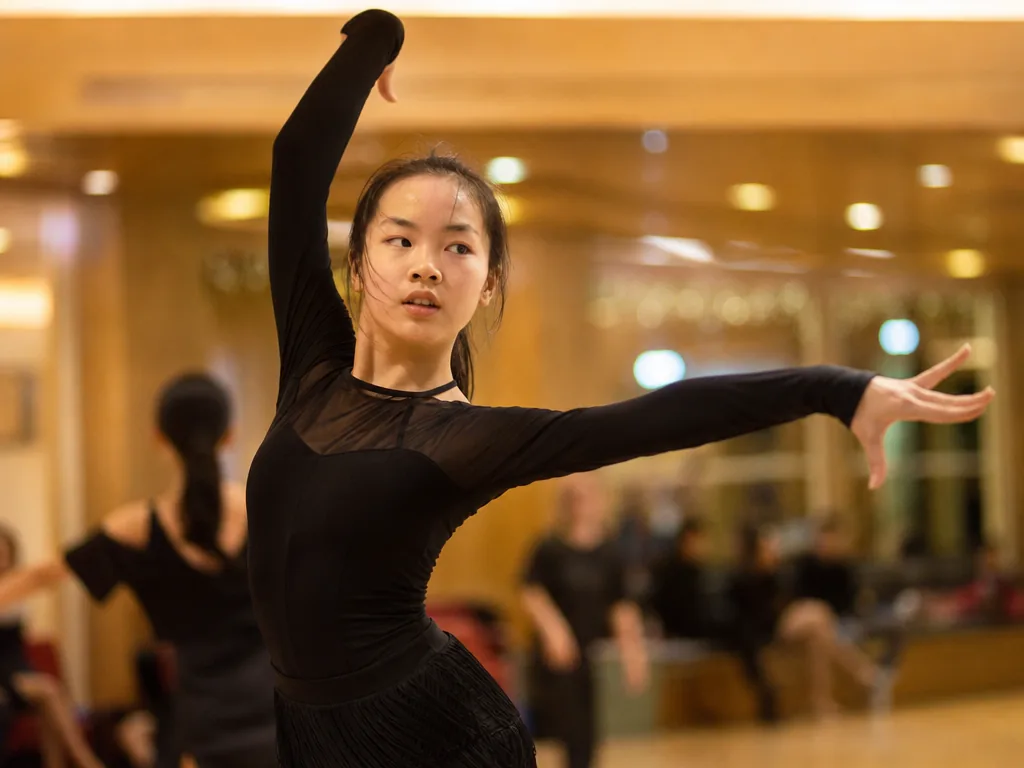
The Origins of Latin Dance
The cultural roots of Latin dance
The origins of Latin dance can be traced back to Latin America, particularly the Caribbean, Brazil, Cuba, Mexico, and other countries. The cultures of these regions blend African, European, and indigenous traditions, resulting in a diverse and rich dance experience. The rhythmic, swirling, and expressive characteristics of Latin dance are derived from African dance elements, while European dance techniques have brought a higher level of structure and standardization to Latin dance.
African music and dance influences
As slaves from West Africa were brought to Latin America, African music and dance styles had a profound impact on local culture and dance. These dances often emphasized rhythm, body movement, and physical expression — elements that later became the core of Latin dance.
Influence of European dance
After the 16th century, European countries — particularly Spain, Portugal, and France — introduced their dance styles to Latin America. These dance rhythms and steps blended with indigenous and African dances, creating a unique Latin dance style. Both Spanish flamenco and Portuguese dance styles have influenced Latin dance.
The Main Types of Latin Dance
Over time, Latin dance has evolved into a wide range of expressive and emotional styles. Each dance represents a different emotion and story, and has different styles and technical requirements. Here are some of the main Latin dance types:
Cha-Cha
The Cha Cha is a rhythmic and energetic dance originating in Cuba. Its rhythm is inspired by the Cuban Mambo dance, incorporating rapid pace changes and dynamic weight shifts. The Cha Cha is known for its intense rhythm and rapid transitions.
Samba
Samba originated in Brazil and is particularly popular during Carnival in Rio de Janeiro. Characterized by its passionate steps and rapid hip swings, this dance showcases the joy and unrestrained emotions of the Brazilian people. Samba is closely associated with Brazilian music and culture, and is a key element of celebrations, particularly during Carnival.
Rumba
Originating in Cuba, the Rumba is a dance that depicts love stories. This dance is typically slow and sensual, with dancers expressing emotions through body language, resulting in a highly expressive performance. The Rumba’s pace is relatively slow, with an emphasis on shifting weight and meticulous movement.
Paso Doble
Paso Doble, with its origins dating back to Spain, is a dance that mimics the duel between a Spanish matador and a bull. It is characterized by its intense rhythm, soaring music, and the dramatic and powerful movements of the dancers. Paso Doble is often considered one of the most dramatic forms of Latin dance.
Berlin Dance (Jive)
The Berlin dance originated in the United States and is influenced by Latin and swing dances. It is known for its fast steps, energetic rhythms, and upbeat music. It was introduced to Britain after World War II and quickly became popular in dance competitions.
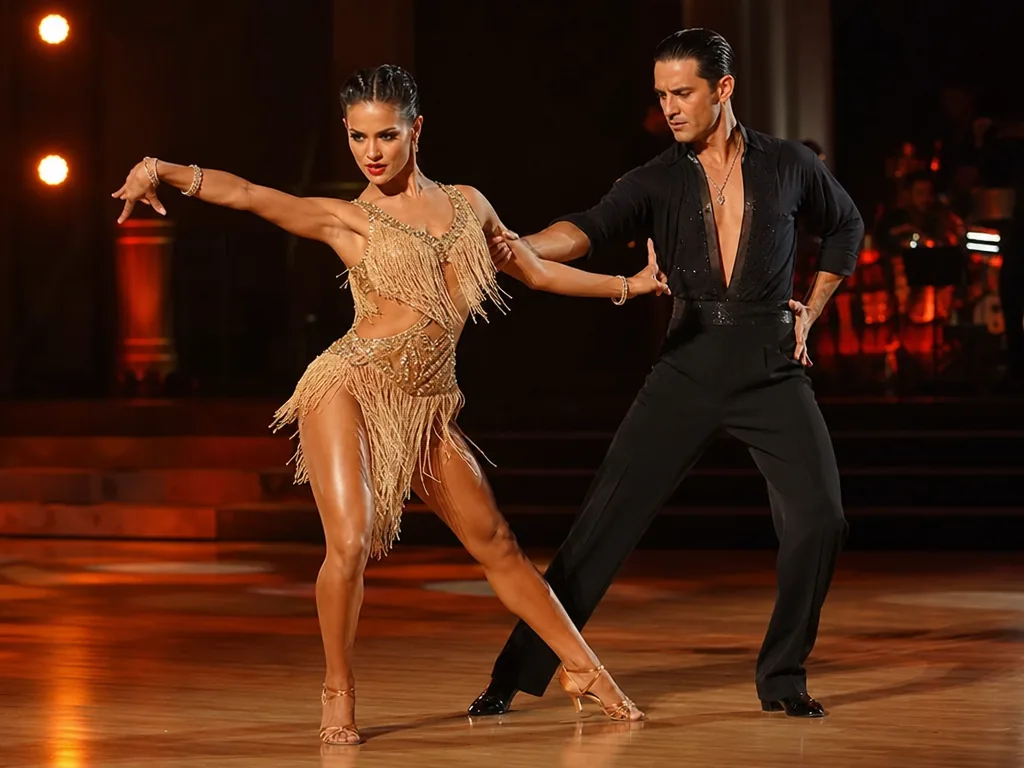
The Development and Modernization of Latin Dance
Latin dance enters the social dance stage
Latin dance gradually entered the social dance scene in the early 20th century. With the advent of dance competitions, particularly international ones, Latin dance rules and techniques became standardized. By this time, Latin dance was not only popular in Latin America but also gradually established a strong influence in Europe, North America, and beyond.
International Latin
With the growing popularity of Latin dance around the world, the International Latin dance style has gradually taken shape. International Latin dance encompasses five main disciplines: Cha Cha, Samba, Rumba, Paso Doble, and Berliner (Jive). These dances share uniform technical requirements in competitions, demanding high standards of technique, movement, and expressiveness.
Popularity of modern Latin dance
In the 21st century, Latin dance has become a globally popular form. With the development of social media and online video platforms, Latin dance instruction and performances can be easily shared around the world. Latin dance clubs and schools are also available in many cities, making it easy for people of all ages to participate and enjoy the dance.
The Cultural and Artistic Value of Latin Dance
The combination of Latin dance and Latin music
Latin dance’s musical style is closely integrated with the movements of the dance, with the rhythm of the music and the pace of the dance complementing each other. Each Latin dance style is characterized by passionate music, emphasizing strong rhythmic and melodic changes. The diversity and richness of Latin dance music also makes these dances full of expressiveness and sensuality.
The social and entertainment value of Latin dance
Another characteristic of Latin dance is its social nature. Many people participate in Latin dance not only to learn the techniques, but also to build relationships through dance. These dances allow people to express emotions in close interactions and build a deep cultural connection.
Latin dance is a vibrant and passionate dance form with a rich cultural background — it originated in Latin America and incorporates elements of African, European and indigenous cultures.
Frequently Asked Questions (FAQ)
Q: Do I need a partner to learn Latin dance?
No — many beginner classes teach the steps solo first. Partner dances such as Cha-Cha and Rumba do benefit from a partner, but most schools rotate partners in class so you can join on your own.
Q: What is the difference between social Latin dance and International Latin?
Social Latin is informal dancing done at clubs and parties, while International Latin is the five competitive disciplines (Cha Cha, Samba, Rumba, Paso Doble, and Jive) with standardized technique judged in competitions.
Q: Is Latin dance suitable for children?
Yes. Many studios run children’s Latin dance classes, which help develop rhythm, coordination, posture, and confidence from an early age.
Q: How long does it take to learn the basics?
With regular weekly classes, most learners can master the basic steps of dances like the Cha-Cha and Rumba within a few months. Reaching competition standard takes years of consistent practice.
Further Resources & Next Steps
- Official Resources——The World DanceSport Federation (WDSF) and the World Dance Council (WDC) publish the official rules, syllabi, and competition calendars for International Latin.
- Further Reading——Look for standard texts on Latin dance history and technique, and browse online video platforms for step-by-step tutorials of each style.
- Parent Tips——Choose a qualified studio with experienced instructors, encourage regular practice at home, and let children try several styles to find the one they enjoy most.
Note: The information above is for reference only. Please consult professional education institutions for details.
This article was initially drafted and organised with AI. Editor / Professor Chan Kwok-wai; Managing Editor / Kong Yee-leung
Act Now: Find a Tutor / Register as a Tutor
For parents & students: looking for a home or online tutor for this subject? Click the button below to post a free tuition case (subject, level and preferred time) — TutorZone will match you with suitable tutors:
For tutors: do you teach this subject? Click the button below to register for free and receive more suitable cases — you pay only when a match is made: