
 Chinese (Traditional)
 Chinese (Simplified)
 English



Grading Standard of the Xylophone: A Complete Guide for Percussionists
TUTORZONE SUBJECT GUIDE · PERCUSSION
A practical walkthrough of how examiners grade xylophone performance — from mallet technique and rhythmic accuracy to dynamics, musicality, and stage presence — with grade-by-grade expectations for ABRSM, Trinity College London, and other boards.
Direct Answer:What are the grading standards for xylophone performance?
Xylophone grading covers mallet technique, rhythm, dynamics, musicality, and stage presence, with ABRSM and Trinity grade expectations.

The Xylophone and Why Grading Matters
The xylophone is a melodic percussion instrument known for its bright, wooden tones and rhythmic versatility. Played with mallets and consisting of tuned wooden bars arranged like a piano keyboard, the xylophone appears in orchestral music, wind ensembles, solo performances, and even contemporary genres. Although it may look simple, playing the xylophone proficiently requires excellent technique, timing, dynamic control, and musical expression.
To measure proficiency, music educators and examination boards use detailed grading standards. Whether you’re preparing for music school auditions, performance exams, or solo competitions, understanding these criteria can help you improve and succeed.
The xylophone is more than just a rhythmic accent; it’s often responsible for carrying melodic themes, providing harmonic support, and adding energetic textures to ensembles. Its percussive nature means that accuracy and articulation are essential. Because of this, grading standards are designed to assess not just technical ability, but also musicality, expression, and performance presence.
Six Key Grading Areas
Grading standards for xylophone are broken down into six core areas:
Technical Proficiency
Mallet grip, wrist control, and accurate bar striking.
Rhythmic Accuracy
Steady tempo and confident execution of complex rhythms.
Dynamic and Tonal Control
A full pianissimo-to-fortissimo range and clean, even tone.
Musical Interpretation
Phrasing, expression, and stylistic accuracy.
Sight-Reading (if applicable)
Quick interpretation of new rhythmic and melodic patterns.
Stage Presence and Expression
Ensemble awareness and audience connection.
Each area focuses on different aspects of musical performance, ensuring a holistic evaluation of a xylophonist’s skill.
Technical Proficiency
Mallet Technique
Grading begins with evaluating how well a performer holds and uses their mallets:
- Correct grip and posture——French, German, or Burton grip depending on the piece
- Controlled, relaxed wrist motion——for consistent tone
- Accurate striking position——on the bars, usually near the center for optimal sound
Poor technique leads to inconsistent tone, choppy rhythm, and even injury. Proper mallet control enables smooth, clean articulation.
Hand Independence and Dexterity
Advanced pieces often demand two-mallet or four-mallet technique. Grading checks:
- Hand coordination——especially in fast, alternating passages
- Finger and wrist independence
- Efficient stick movement——avoiding overuse of force
At higher grades (Grade 5+), players may be required to perform arpeggios, broken chords, and double-stroke passages, demonstrating finger agility and note clarity.
Rhythmic Accuracy
Because the xylophone is a percussive melodic instrument, rhythmic control is paramount.
Tempo Control
Grading checks whether a player:
- Plays in time with a metronome or accompaniment
- Maintains consistent tempo
- Can handle ritardando, accelerando, and tempo changes with accuracy
Complex Rhythms
As students progress through grades, they encounter:
- Syncopation
- Tuplets——triplets, quintuplets
- Polyrhythms
- Changing meters——e.g., 5/8, 7/8
Grading examines how confidently these rhythms are executed without sacrificing musical flow.
Dynamic and Tonal Control
Dynamic Range
A mature performer demonstrates the ability to play from pianissimo to fortissimo, even in fast passages. Grading looks at:
- Control of stroke velocity
- Use of mallet hardness to vary tone
- Dynamic contrasts between phrases and sections
Tonal Quality
Although the xylophone has a wooden, dry timbre, good players can still shape their tone:
- Clean articulation with minimal noise
- Evenness of tone across the full register
- Appropriate use of mallets——hard vs soft, depending on musical context
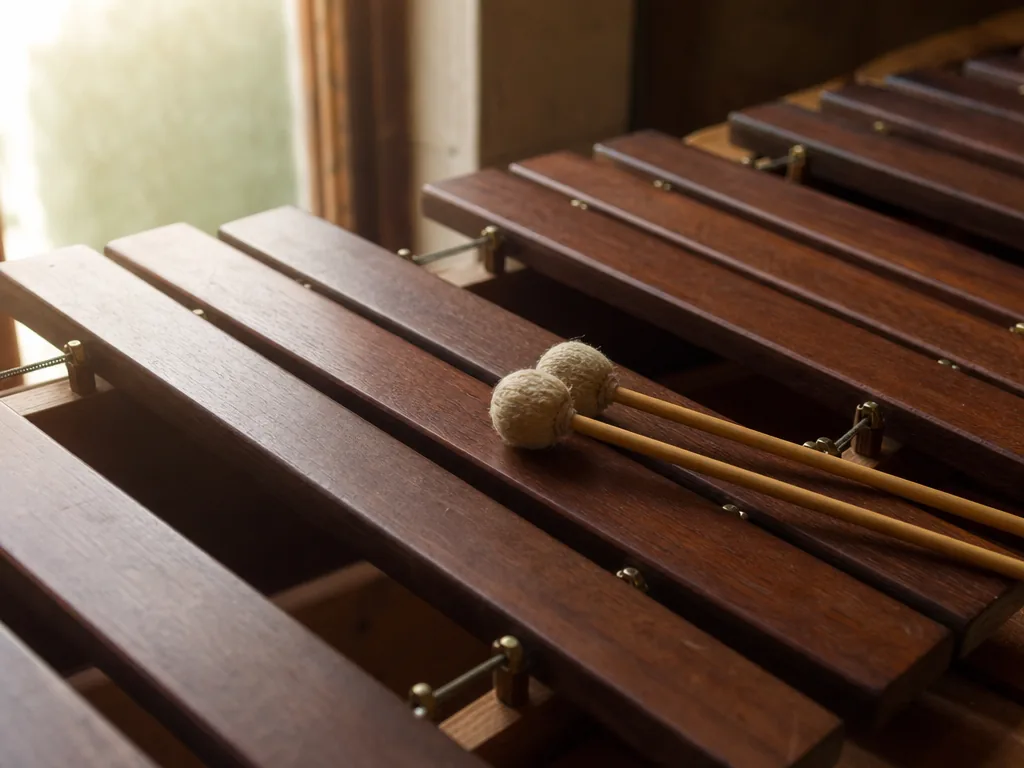
Examiners listen for resonant tone without buzzing, and accurate intonation, particularly in pieces requiring extended range.
Musical Interpretation
Musicianship goes beyond notes on a page. Examiners reward performers who understand the style and emotional content of the music.
Phrasing and Expression
Grading evaluates the performer’s ability to:
- Apply musical phrasing——like breathing in wind instruments
- Emphasize important melodic or harmonic moments
- Use rubato, articulation, and accents for expression
Stylistic Accuracy
A Baroque xylophone transcription should sound light and articulated, while a Romantic-era piece might require lush, expressive phrasing. Demonstrating an understanding of musical context earns higher scores.
Sight-Reading and Aural Skills
Some exam boards include sight-reading and aural training in grading criteria.
Sight-Reading (If Included)
Grading focuses on the ability to:
- Quickly interpret rhythmic and melodic patterns
- Maintain steady tempo
- Hit accurate pitches and intervals
This skill reflects how well a player can adapt to new repertoire or ensemble settings.
Ensemble Skills and Stage Presence
In exams and real-world performances, xylophonists often play with piano accompaniment, orchestra, or ensemble.
Ensemble Awareness
Grading assesses:
- Ability to follow a conductor
- Balance with other instruments
- Adjustments to timing and dynamics during collaboration
Confidence and Stage Presence
Performers should:
- Exhibit focused posture
- Minimize unnecessary body movement
- Maintain audience connection through engaged performance
Stage presence is especially important in solo recitals and competitions. Confidence can influence how musicality is perceived.
Grade-Level Expectations
Each grade level has defined expectations:
- Grades 1–2——Simple pieces, basic rhythms, clear tone
- Grades 3–4——Expanded range, moderate dynamics, articulation control
- Grades 5–6——Four-mallet technique (optional), faster tempos, more expression
- Grades 7–8——Advanced repertoire, full dynamic control, deep musical interpretation
- Diploma Level——Professional-standard performance, advanced four-mallet technique, complete mastery of musical style
Putting It All Together
Grading a xylophone performance goes beyond just hitting the right notes. It’s a comprehensive evaluation of technique, rhythm, dynamics, musicality, and presence. By focusing on the criteria outlined above, students and professionals alike can elevate their playing and succeed in exams, competitions, and performances.
Whether you’re preparing for ABRSM, Trinity College London, or another music board, mastering these grading elements will give you a solid foundation for long-term success.
Frequently Asked Questions (FAQ)
Q: Which grip should I use when playing the xylophone?
It depends on the piece and the number of mallets. Common options include the French, German, and Burton grips. Examiners look for a correct, relaxed grip with controlled wrist motion and an accurate striking position near the center of each bar.
Q: Is four-mallet technique required at higher grades?
Four-mallet technique becomes optional around Grades 5–6, is expected in advanced repertoire at Grades 7–8, and is required to a professional standard at diploma level.
Q: Will sight-reading always appear in my exam?
Not always — some exam boards include sight-reading and aural training as part of their criteria, while others do not. Check the specific syllabus of the board you are entering.
Q: Which exam boards grade xylophone performance?
Common options include ABRSM and Trinity College London, alongside other regional music boards. Each sets its own syllabus and grade-level expectations, so review the relevant requirements before registering.
Further Resources & Next Steps
- Official Resources——Review the current xylophone and percussion syllabuses published by ABRSM and Trinity College London for grade-specific repertoire and requirements.
- Further Reading——Explore method books and graded repertoire for mallet percussion to build technique, sight-reading, and stylistic awareness step by step.
- Parent Tips——Encourage short, regular practice that balances technique exercises with expressive pieces, and record practice sessions so young players can hear their tone and dynamics improve.
Note: The information above is for reference only. Please consult professional education institutions for details.
This article was initially drafted and organised with AI. Editor / Professor Chan Kwok-wai; Managing Editor / Kong Yee-leung
Act Now: Find a Tutor / Register as a Tutor
For parents & students: looking for a home or online tutor for this subject? Click the button below to post a free tuition case (subject, level and preferred time) — TutorZone will match you with suitable tutors:
For tutors: do you teach this subject? Click the button below to register for free and receive more suitable cases — you pay only when a match is made: