
 Chinese (Traditional)
 Chinese (Simplified)
 English



The Origin of Swimming (Backstroke) [Detailed Explanation in Traditional Chinese]
TUTORZONE SUBJECT GUIDE · SPORTS
Swimming is a popular water sport with a wide variety of stroke styles, and the backstroke stands out as one of the most unique and challenging. From a simple 19th-century technique to a fully standardized Olympic event, the backstroke’s history has been filled with change and innovation — and it remains a staple of competitive swimming as well as everyday fitness and recreational swimming.
Direct Answer:What is the origin of the backstroke in swimming?
The backstroke originated as a simple 19th-century technique and evolved into a standardized Olympic event.
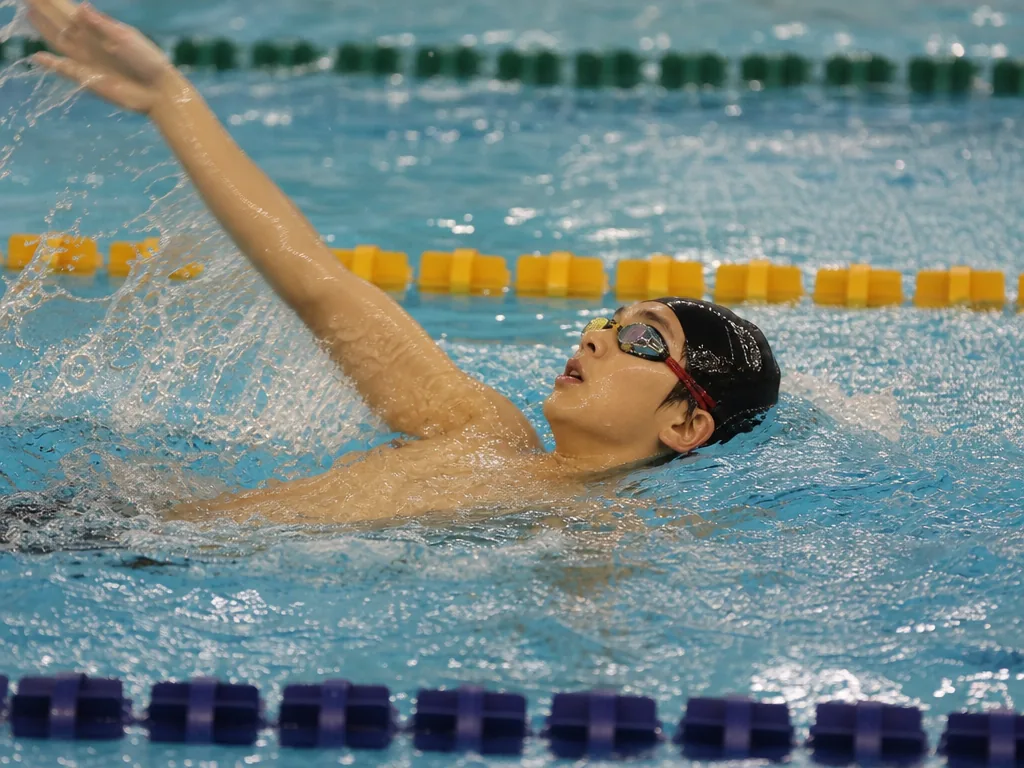
The Origin and Historical Background of Backstroke
Backstroke can be traced back to the 19th century in Western countries. Unlike other swimming styles, backstroke requires the swimmer to lie on their back in the water, using their back as the primary means of movement. The origins of this technique are less clear than those of other swimming styles, but historical records indicate that backstroke was not initially considered a distinct style, but rather a component of various swimming techniques.
Early Form of Backstroke
- Early swimming techniques in the 19th century — In the early 19th century, swimming techniques were mostly based on natural swimming, where swimmers swam while lying on their back or in a semi-recumbent position. These swimmers’ goals were usually to move quickly or maintain buoyancy, and the backstroke was a natural evolution of this.
The Formation and Development of Backstroke
Backstroke emerged as an independent swimming technique, intersecting with the development of breaststroke and freestyle. In the mid-19th century, backstroke gradually gained recognition in Western swimming communities and became a common swimming technique in swimming competitions at the time.
- Developments in the late 19th century — By the late 19th century, some swimmers in Britain and the United States began to consider the backstroke a competitive technique and used it in many swimming competitions. Although swimming rules were not completely unified at the time, the backstroke technique had begun to gain attention.
Standardization and the Modern Development of Backstroke
Unified Rules for Backstroke
Although the backstroke technique was already quite popular in the early days, it lacked the same unified competition rules as other swimming styles. It wasn’t until the early 20th century, with the establishment of the International Swimming Federation (FINA), that swimming competition rules began to be standardized, and the backstroke was gradually incorporated into official competition regulations.
- Backstroke rules around 1920 — By the 1920s, the backstroke had become a standard swimming method in international swimming competitions and was incorporated into official events. During this period, the backstroke technique and movements underwent further refinement and improvement, especially in arm movements and kicking techniques.
Backstroke as an Official Competition Event
- Backstroke in the Olympics — Backstroke made its debut as an official swimming event at the 1900 Paris Olympics and has since become one of the core events in Olympic swimming. Initially held in the 200-meter backstroke, it has since become a highly anticipated event in Olympic swimming.
- The development of men’s and women’s backstroke — Over time, backstroke not only became a fixture in men’s swimming competitions, but women also gradually began to participate in backstroke competitions. After the 1960 Rome Olympics, the women’s 200m backstroke event was introduced into the Olympics and became a competitive stage for the world’s top female swimmers.
The Technique and Development of Backstroke
Basic Techniques of Backstroke Swimming
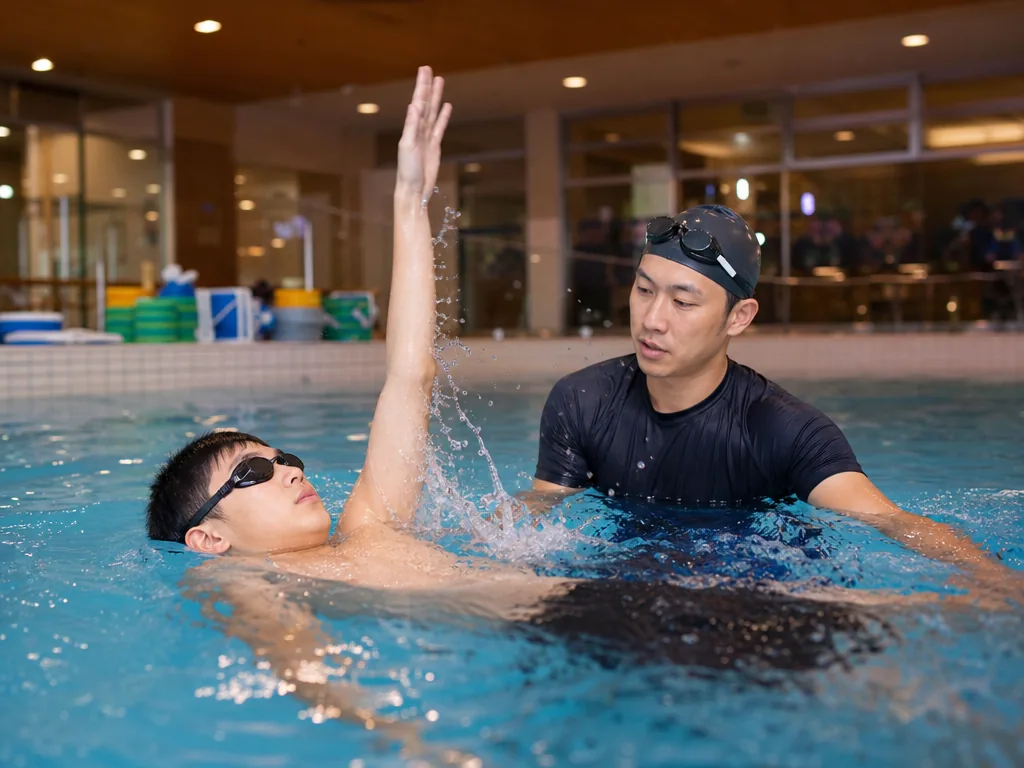
The basic backstroke movement involves the swimmer lying on their back in the water and using alternating arm strokes and foot kicks to propel the body forward. This technique requires the swimmer to maintain a horizontal position, avoid excessive rising or sinking, and maintain a steady rhythm.
- Arm Stroke — In the backstroke, the swimmer’s arms alternately stroke the water, keeping their arms straight as they push the water backward. The arm stroke should be smooth and the body should be stable.
- Kick Technique — The kick in backstroke is a freestyle kicking action, that is, the legs alternately kick up and down to generate propulsion.
Modern Technical Improvements of Backstroke
Over time, backstroke techniques have continued to improve, significantly increasing the speed and technical level of athletes. In the 200m backstroke in particular, modern swimmers’ take-off technique, turning technique, and final sprint have all reached exceptionally high standards.
- The tactical evolution of backstroke — Modern backstroke swimmers not only focus on basic techniques, but also use clever tactics in the competition, such as explosive power at the start, gliding in the water when turning, and accelerating sprinting before the finish line. These techniques make backstroke competitions more competitive and more interesting to watch.
Summary: The Origin and Development of Backstroke
- The early backstroke — can be traced back to the 19th century, when it was not a separate swimming technique but a natural position adopted by swimmers in the water. The backstroke first appeared in competitive competitions in the UK and the US and gradually gained recognition.
- In the early 20th century — with the unification of international swimming competition rules, the backstroke began to be officially included in the competition events and made its debut at the 1900 Paris Olympics.
- The backstroke is now an important event in competitive swimming and has separate events for men and women in the Olympic Games.
Frequently Asked Questions (FAQ)
Q: When did backstroke first become an Olympic event?
Backstroke made its Olympic debut at the 1900 Paris Olympics, initially held as the 200-meter backstroke, and it has remained one of the core swimming events ever since.
Q: When was the women’s backstroke added to the Olympics?
After the 1960 Rome Olympics, the women’s 200m backstroke was introduced into the Games, giving the world’s top female swimmers their own competitive stage.
Q: What are the basic techniques of the backstroke?
The swimmer lies on their back in the water and uses alternating arm strokes and a freestyle (flutter) kick, keeping the body horizontal and maintaining a steady rhythm without excessive rising or sinking.
Q: Which body standardized the rules for backstroke?
The International Swimming Federation (FINA), now known as World Aquatics, standardized swimming competition rules in the early 20th century and gradually incorporated the backstroke into official competition regulations.
Further Resources & Next Steps
- Official Resources — World Aquatics (formerly FINA) and the International Olympic Committee publish current rules, records, and event information for competitive backstroke.
- Further Reading — Histories of competitive swimming and coaching manuals on the four competitive strokes cover the backstroke’s development and technique in depth.
- Parent Tips — Enroll children in certified swimming programmes with qualified instructors, and always prioritise water safety and supervised practice when learning the backstroke.
Note: The information above is for reference only. Please consult professional education institutions for details.
This article was initially drafted and organised with AI. Editor / Professor Chan Kwok-wai; Managing Editor / Kong Yee-leung
Act Now: Find a Tutor / Register as a Tutor
For parents & students: looking for a home or online tutor for this subject? Click the button below to post a free tuition case (subject, level and preferred time) — TutorZone will match you with suitable tutors:
For tutors: do you teach this subject? Click the button below to register for free and receive more suitable cases — you pay only when a match is made: