
 Chinese (Traditional)
 Chinese (Simplified)
 English



The origins of Yoga
TUTORZONE SUBJECT GUIDE · HOBBIES
Yoga is a complete practice system that combines physical postures (Asana), breathing control (Pranayama) and meditation, with a history of more than 5,000 years. Follow its journey from the ancient Indus Valley and the Vedic sages to the global movement practiced around the world today.
Direct Answer:What are the origins of yoga?
Yoga combines postures, breathing, and meditation, with over 5,000 years of history from the ancient Indus Valley and Vedic sages.
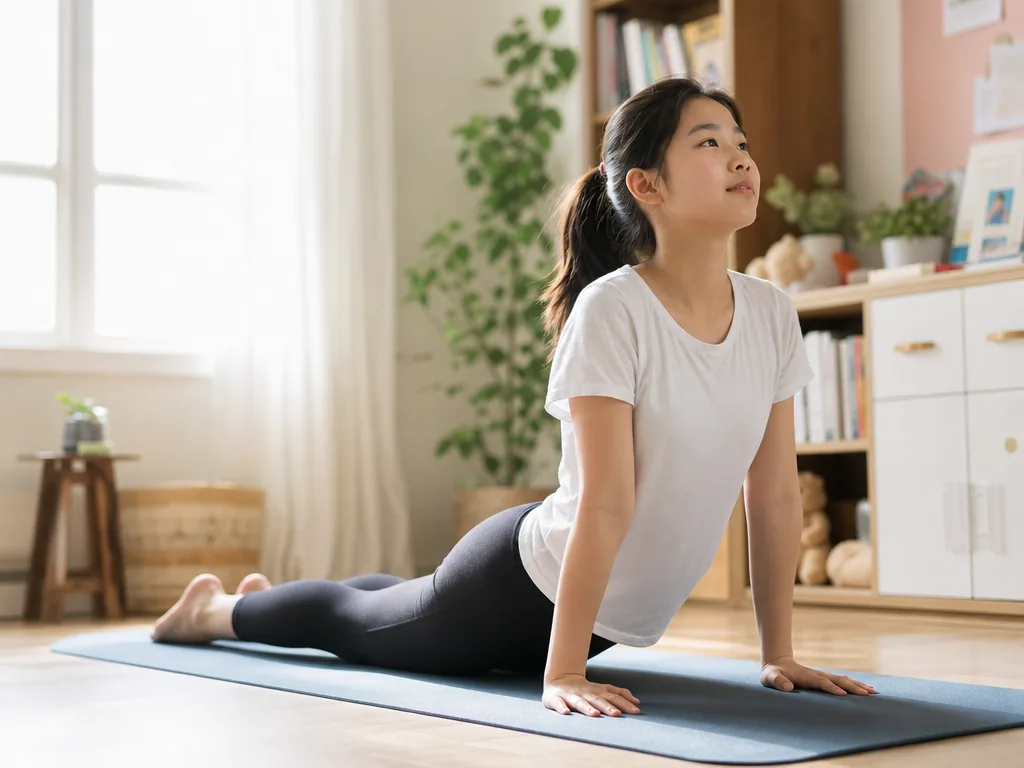
The Ancient Origins of Yoga
Spiritual Traditions of Prehistoric Civilizations
- According to archaeologists, seals depicting people meditating and sitting in specific postures were unearthed in the ruins of the Indus Valley Civilization (approximately 3300 BC to 1300 BC), which is considered one of the earliest pieces of evidence of yoga activities.
- These early spiritual practices, which combined the exploration of nature, the universe and human self-awareness, laid the foundation for the later yoga system.
Vedic Period (1500 BC to 500 BC)
- The word yoga first appeared in the ancient Indian Vedas, especially in the Rigveda, where “yuj” was mentioned, meaning connection, combination or unity.
- Yoga in the Vedic period was mainly about achieving unity with the divine and cosmic power through poetry, rituals and meditation.
Systematization and Philosophization of Yoga
Upanishads and Inner Yoga
- In the Upanishads, written between 800 and 200 BC, yoga thought was further deepened, emphasizing the realization of the unity of the individual soul (Atman) and the cosmic origin (Brahman) through meditation (Dhyana) and knowledge (Jnana).
- The Upanishads put forward the concepts of mind control and self-awareness, providing a philosophical basis for the various yoga schools of later generations.
Classification of Yoga in the Bhagavad Gita
The Bhagavad Gita, a major text in the ancient Indian epic Mahabharata, systematically outlines the three main forms of yoga:
Karma Yoga
Spiritual growth through selfless action.
Jnana Yoga
The pursuit of liberation through wisdom and insight.
Bhakti Yoga
Union with God through faith and devotion.
Classical Systematization of Yoga: Patanjali’s Yoga Sutras
Patanjali and the Yoga Sutras
Between the 2nd century BC and the 4th century AD, the sage Patanjali compiled the Yoga Sutras, which systematically organized the scattered yoga practices and philosophical theories.
The Yoga Sutras proposed the famous Ashtanga Yoga (Eight Limbs) system, which includes:
- Yama — moral restraints.
- Self-discipline (Niyama) — personal observances.
- Asana — physical posture.
- Breathing Control (Pranayama) — regulation of the breath.
- Pratyahara — withdrawal of the senses.
- Dharana — concentration.
- Meditation (Dhyana) — sustained focus of the mind.
- Samadhi — absorption or enlightenment.
The Eight Limbs of Yoga became the fundamental framework for yoga practice in later generations.
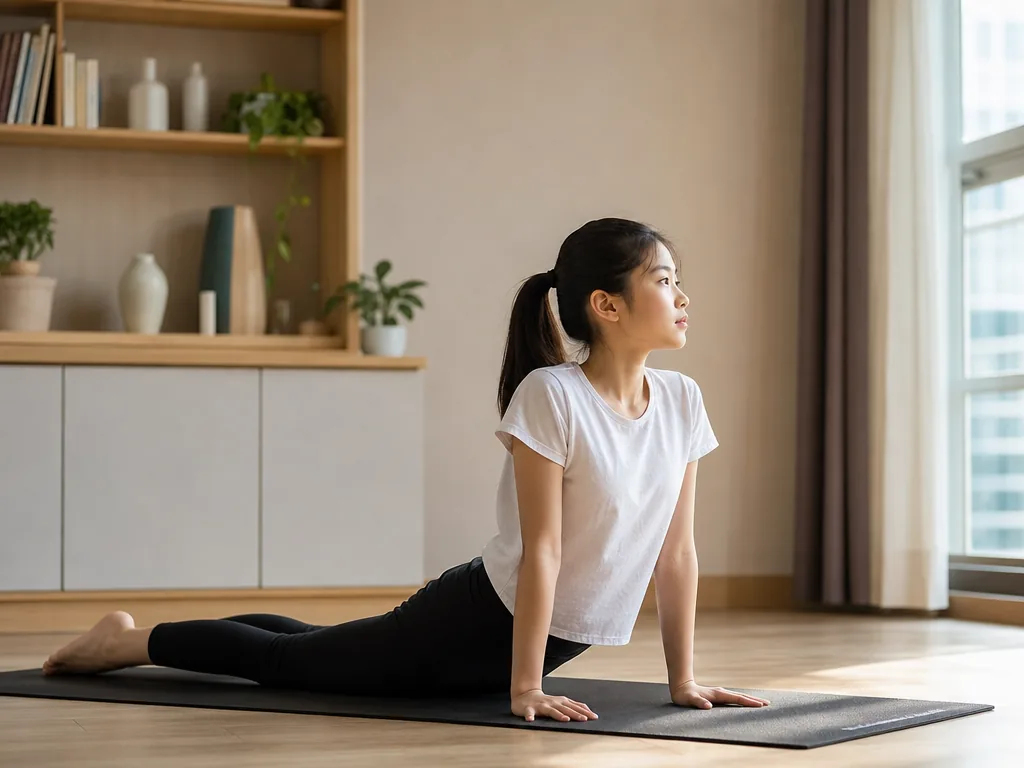
Yoga Spreads from Ancient India to the World
Hatha Yoga in the Middle Ages
- From about the 9th to the 15th century AD, Hatha Yoga emerged, emphasizing the transformation of body and mind through postures (Asana), breathing control (Pranayama) and energy control (Kundalini).
- The development of Hatha Yoga further integrated elements of physical exercise into the purely spiritual level of yoga.
The Globalization of Modern Yoga
- In the late 19th and early 20th centuries, Indian yoga masters such as Swami Vivekananda introduced yoga to the Western world.
- In the 20th century, legendary masters such as T. Krishnamacharya, B.K.S. Iyengar and Pattabhi Jois promoted Asana Yoga around the world, giving rise to various schools (such as Iyengar Yoga, Ashtanga Yoga and Flow Yoga).
Today, yoga has become a global movement, lifestyle and inner practice that combines health, fitness and spiritual pursuits.
Frequently Asked Questions (FAQ)
Q: How old is yoga?
Archaeological seals from the Indus Valley Civilization (c. 3300–1300 BC) and references in the Vedic texts (c. 1500–500 BC) point to a tradition of more than 5,000 years, even though the classical system was only codified later by Patanjali.
Q: What does the word “yoga” mean?
It derives from the Sanskrit root “yuj”, meaning to join, unite or connect — reflecting the union of body, mind and spirit that the practice seeks.
Q: Are Patanjali’s Eight Limbs the same as modern Ashtanga Vinyasa yoga?
Not exactly. The “Ashtanga” (Eight Limbs) of the Yoga Sutras is a philosophical framework of eight stages of practice, while the Ashtanga Vinyasa style taught by Pattabhi Jois is a specific, dynamic system of posture sequences.
Q: Is yoga a religion?
Yoga grew out of Indian spiritual traditions, but today it is widely practiced as a secular discipline for health, fitness and mindfulness, and people of every background take it up.
Further Resources & Next Steps
- Official Resources——The Yoga Sutras of Patanjali (the classical text) and the Yoga Alliance registry for certified teachers and studios.
- Further Reading——“Light on Yoga” by B.K.S. Iyengar and “The Heart of Yoga” by T.K.V. Desikachar, two widely recommended introductions to asana and philosophy.
- Parent Tips——For children, begin with short, playful and guided yoga sessions that focus on breath and simple postures rather than intense flexibility goals.
Note: The information above is for reference only. Please consult professional education institutions for details.
This article was initially drafted and organised with AI. Editor / Professor Chan Kwok-wai; Managing Editor / Kong Yee-leung
Act Now: Find a Tutor / Register as a Tutor
For parents & students: looking for a home or online tutor for this subject? Click the button below to post a free tuition case (subject, level and preferred time) — TutorZone will match you with suitable tutors:
For tutors: do you teach this subject? Click the button below to register for free and receive more suitable cases — you pay only when a match is made: