
 Chinese (Traditional)
 Chinese (Simplified)
 English



Complete Harp Grading Guide: A Professional Buying Reference from Materials to Tone
TUTORZONE SUBJECT GUIDE · STRING INSTRUMENTS
The harp is a historically rich and elegant string instrument, known for its graceful sound and striking presence in classical, folk, and even modern music. Whether you’re a beginner exploring your first instrument or an advanced player upgrading to a concert model, understanding how to grade harps is crucial when it comes to purchasing and playing. This comprehensive guide explores the key aspects of harp quality — including material choice, construction quality, string configuration, and tonal performance — to help you make the most informed decision.
Direct Answer:How is a harp graded for purchase?
Harp grading guide helps beginners and advanced players choose a model, using materials, construction, and sound as key criteria.
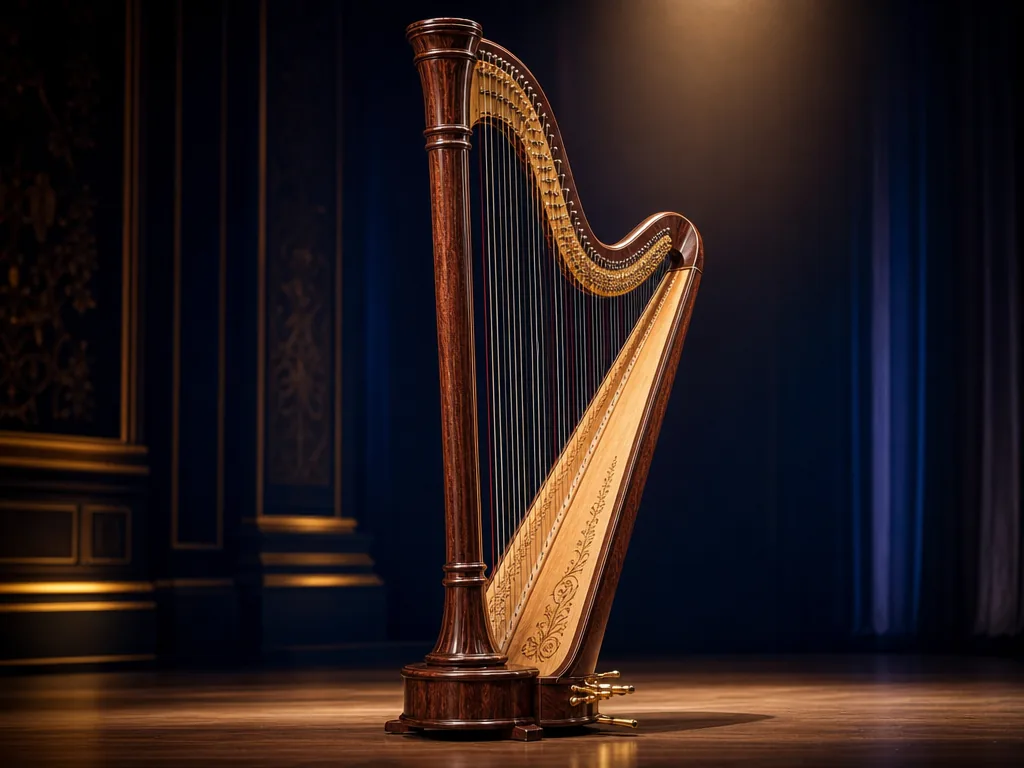
Core Criteria for Harp Grading
Materials Define Tonal Foundation
The harp’s resonance depends largely on the soundboard, neck, and pillar. These are typically made from solid wood, and each wood type impacts the instrument’s resonance and warmth:
- Spruce——The gold standard for high-end soundboards. It offers warm, balanced, and rich resonance, ideal for professional performance harps.
- Maple——Used in necks and pillars; provides excellent stability and visual appeal with its fine grain.
- Mahogany——Produces a warm, deep tone but with slightly less projection than spruce.
Top-tier harps use all-solid wood. Entry-level harps may feature plywood or laminated wood for cost-efficiency, but with more limited acoustic richness.
Number of Strings Reflects Instrument Level
Harps are often categorized by the number of strings and tonal range:
- Small harps (22–26 strings)——Great for children or complete beginners. Limited range but portable and easy to manage.
- Medium harps (30–34 strings)——Suitable for advancing players. These can cover most standard repertoire with more range.
- Full concert grand harps (47 strings)——Professional standard. Covers seven octaves, with expansive tonal range and rich depth for orchestral or solo performance.
More strings usually indicate a higher-level harp, both in sound and complexity.
Tuning and Control Systems
Two main harp types dominate the modern market:
- Lever harps——Each string has an individual lever for raising pitch by a semitone. Suitable for folk, pop, and learning purposes.
- Pedal harps——Equipped with seven foot pedals that allow for real-time key changes and chromatic versatility — ideal for classical and professional use.
Choose based on the type of music you plan to play. Pedal harps offer the most flexibility but also come with a higher price and maintenance need.
Craftsmanship and Brand Matter
Build quality affects playability, durability, and long-term reliability. Top factors include:
- Bridge pin placement and alignment——Affects intonation and sustain.
- Polish and finishing——Impacts aesthetics and wood protection.
- Hardware durability——Includes string pegs, levers, or pedal mechanics.
Renowned brands like Lyon & Healy, Salvi, and Camac produce premium-grade harps trusted by professionals. Entry-level options from Dusty Strings or Triplett balance quality and affordability.
More strings usually indicate a higher-level harp, both in sound and complexity.
Harp Grading Reference Table
Use the table below as a quick reference for how harps are commonly graded by price, target user, and representative models or brands.
| Grade | Price Range (NTD) | Target Users | Representative Models or Brands |
|---|---|---|---|
| Entry-Level | 30,000–80,000 | Kids / Beginners | Dusty Strings Ravenna, Triplett Student |
| Intermediate | 80,000–200,000 | Advancing Students | Salvi Mia, Camac Melusine |
| Professional | 200,000–500,000 | Conservatory Students | Lyon & Healy Prelude, Camac Athena |
| Concert-Level | 500,000+ | Musicians / Orchestras | Salvi Iris, Lyon & Healy Style 23 |
Buying Tips & Trial Suggestions
- Clarify your musical needs——Is the harp for home, performance, or conservatory use?
- Test the soundboard——Check for rich resonance, firm bass, and clear treble.
- Evaluate the action of levers or pedals——It should be responsive and smooth.
- Check string spacing and tension——Even pressure across all strings is key.
- Ensure after-sales support——Confirm availability of replacement parts or strings.
Essential Maintenance Tips
- Clean the strings and soundboard regularly——This prevents dust and hand oil buildup.
- Replace old strings every 6–12 months——Fresh strings keep the tone optimal.
- Maintain indoor humidity between 40–60%——This prevents warping or cracking.
- Loosen strings slightly for long-term storage——This avoids tension damage.
- Check neck tension and truss rods periodically——Do this if applicable to your model.

Frequently Asked Questions (FAQ)
Q: What is the difference between a lever harp and a pedal harp?
A lever harp uses an individual lever on each string to raise pitch by a semitone, making it ideal for folk, pop, and learning. A pedal harp has seven foot pedals that allow real-time key changes and chromatic versatility, suiting classical and professional use — at a higher price and with more maintenance.
Q: How many strings should a beginner’s harp have?
Beginners and younger players typically start on a small harp of 22–26 strings, which is portable and easy to manage. Advancing students often move to a medium harp of 30–34 strings, while a full concert grand harp has 47 strings and covers seven octaves.
Q: Which wood is best for a harp soundboard?
Spruce is the gold standard for high-end soundboards, offering warm, balanced, and rich resonance. Maple is prized for stable necks and pillars, while mahogany produces a warm, deep tone with slightly less projection.
Q: How do I maintain a harp at home?
Clean the strings and soundboard regularly, replace strings every 6–12 months, keep indoor humidity between 40–60%, and loosen the strings slightly if storing the instrument long-term.
Further Resources & Next Steps
- Official Resources——Visit the official websites of leading harp makers such as Lyon & Healy, Salvi Harps, and Camac for model specifications, pricing, and care guides.
- Further Reading——Sylvia Woods’ “Teach Yourself to Play the Folk Harp” is a popular beginner method, while graded syllabuses from ABRSM and Trinity College London map repertoire by level.
- Parent Tips——For young beginners, rent a small lever harp first, keep it in a stable-humidity room, and build a short daily practice routine rather than long irregular sessions.
Note: The information above is for reference only. Please consult professional education institutions for details.
This article was initially drafted and organised with AI. Editor / Professor Chan Kwok-wai; Managing Editor / Kong Yee-leung
Act Now: Find a Tutor / Register as a Tutor
For parents & students: looking for a home or online tutor for this subject? Click the button below to post a free tuition case (subject, level and preferred time) — TutorZone will match you with suitable tutors:
For tutors: do you teach this subject? Click the button below to register for free and receive more suitable cases — you pay only when a match is made: