
 Chinese (Traditional)
 Chinese (Simplified)
 English



Grading Standard of Glockenspiel – Key Criteria for Performance
TUTORZONE SUBJECT GUIDE · PERCUSSION
The glockenspiel is a melodic percussion instrument prized for its bright, bell-like sound — and mastering it demands far more than simple bars and mallets. This guide breaks down the grading standards for glockenspiel players, from mallet technique and rhythm to dynamics, musicality, ensemble work and stage presence.
Direct Answer:What are the grading standards for glockenspiel?
Glockenspiel grading covers mallet technique, rhythm, dynamics, musicality, ensemble skills, and more, going beyond simple bar and mallet playing.
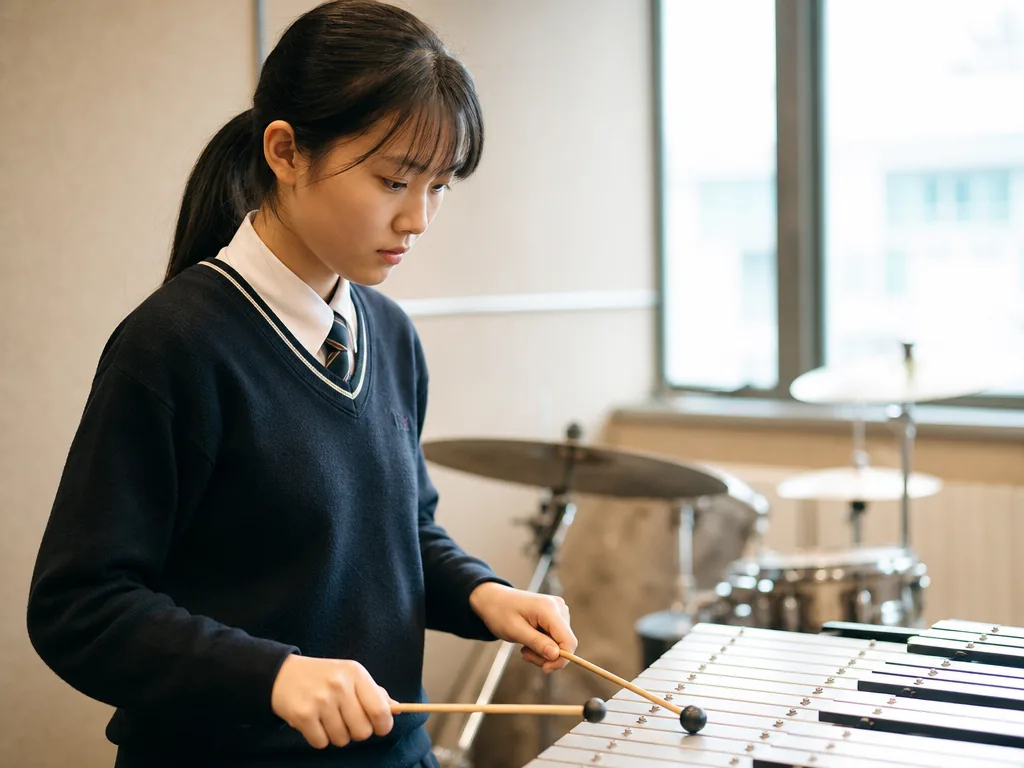
The Importance of the Glockenspiel in Music
The glockenspiel is typically used to add a bright, shimmering texture to an ensemble, often providing melodic lines or harmonic accompaniment. In orchestras, it can be used to highlight specific moments in a piece or to complement other instruments. Its high-pitched sound is clear and distinct, making it a valuable tool in a wide range of musical contexts.
The glockenspiel is commonly used in the following musical contexts:
- Orchestral Music — In orchestras, it is often employed to add brilliance to high-register melodic passages or to emphasize certain effects.
- Marching Bands and Drum Corps — The glockenspiel is often part of the percussion section in marching bands, providing clear, cutting tones in outdoor environments.
- Solo Performances — The glockenspiel’s bright sound also makes it suitable for solo performances, where it can showcase both technical proficiency and musical expressiveness.
- Chamber Music — In smaller ensembles, the glockenspiel provides a high-pitched, harmonic support that complements other instruments.
Given the glockenspiel’s distinct sound and integral role in musical performances, the grading standards focus on ensuring that players can produce precise, clean, and musically rich performances.
Key Grading Areas for Glockenspiel Players
The grading of glockenspiel players is typically divided into several major areas of performance, including technical proficiency, rhythm and timing, dynamics and tone control, musicality and expressiveness, ensemble performance, and stage presence.
Technical Proficiency
Clean, accurate strikes and confident hand technique.
Rhythm and Timing
Solid tempo control and rhythmic precision.
Dynamics and Tone Control
A full dynamic range with a consistent, clear tone.
Musicality and Expressiveness
Phrasing, interpretation and emotional depth.
Ensemble Performance
Staying in sync and listening to the group.
Stage Presence
Confident posture and audience engagement.
Technical Proficiency
Technical skill is foundational to performing on any instrument, and the glockenspiel is no exception. This area focuses on a player’s control over the instrument, their ability to produce clean, accurate sounds, and their overall hand technique.
Mallet Handling and Striking Technique
Grading in this area assesses how effectively the player handles the mallets and strikes the glockenspiel bars. Key points of focus include:
- Grip and Control — The player’s ability to hold the mallets with proper technique — neither too tight nor too loose — ensures a steady and consistent tone. A secure yet relaxed grip minimizes the risk of producing extraneous noises.
- Accuracy of Strikes — The player should strike the glockenspiel bars accurately, hitting the center of each bar to produce a clear, resonant sound. Off-center hits may result in a muffled or unpleasant tone.
- Speed and Precision — The glockenspiel requires quick, precise strikes, particularly during rapid passages. Players are graded on their ability to perform quick note sequences cleanly, without any unwanted noise or accidental strikes on adjacent bars.
Dexterity and Independence
The glockenspiel requires the player to use both hands to strike different bars simultaneously or sequentially. Grading assesses:
- Hand Coordination — Players must demonstrate independent hand movements, particularly when playing complex patterns that involve alternating hands or cross-hand motions.
- Finger Control — The ability to maintain precise finger movements when switching between notes and playing fast passages is crucial for a clean performance.
Rhythm and Timing
Rhythm is a fundamental component of any percussion instrument, and the glockenspiel is no different. Since the instrument typically supports melody and rhythm in ensembles, the player must maintain solid timing and rhythmic integrity throughout the performance.
Tempo Control
Grading in this category evaluates the player’s ability to maintain the tempo of the piece, ensuring that their playing remains consistent with the other instruments in the ensemble. Key elements include:
- Metronomic Accuracy — The glockenspiel player must be able to keep time accurately, whether the tempo is fast, slow, or fluctuating.
- Synchronization — The player must stay in sync with the conductor and other ensemble members, adjusting their tempo when necessary.
Rhythmic Precision
Precision in rhythm is crucial, especially in more complex pieces that involve syncopation or complex rhythmic patterns. Grading assesses:
- Syncopation — The ability to execute off-beat or syncopated rhythms accurately is essential, especially in genres like jazz or contemporary music.
- Complex Rhythms — Players must demonstrate the ability to handle complex rhythms, particularly in faster passages, without sacrificing the overall integrity of the piece.
Dynamics and Tone Control
The glockenspiel’s bright and sharp sound provides a rich range of dynamic possibilities, from soft, delicate notes to loud, cutting tones. The grading standard in this category assesses how well players manipulate these dynamics to enhance the musical expression.
Dynamic Range
Players should be able to perform across the entire dynamic spectrum, adjusting their playing according to the musical context. Grading evaluates:
- Soft Playing — The player must demonstrate the ability to produce a soft, clear sound, avoiding harshness or unwanted noise when playing at lower dynamics.
- Loud Playing — When playing loudly, the glockenspiel player should be able to produce a clear, resonant sound without excessive force or distortion.
Tone Control
While the glockenspiel is not as flexible in terms of tonal variation as some other instruments, the player’s ability to maintain a consistent, clean sound is important. Grading in this area focuses on:
- Consistency — The player must produce a uniform tone across all notes and throughout the entire range of the instrument.
- Articulation — The player’s ability to articulate notes clearly, especially in fast or intricate passages, is essential for achieving clean and expressive performance.
Musicality and Expressiveness
Technical skill alone does not define a great glockenspiel player; musicality and expressiveness are equally important. This category focuses on the player’s ability to interpret and convey the emotion of the piece.
Technical skill alone does not define a great glockenspiel player; musicality and expressiveness are equally important.
Phrasing and Interpretation
Grading evaluates how well the player shapes phrases, emphasizing important moments and connecting different sections of the music:
- Musical Phrasing — The ability to shape phrases by adjusting dynamics, articulation, and timing is essential for adding musical depth to a performance.
- Expression and Emotion — The player must demonstrate the ability to interpret the music and convey its emotional content, whether it’s joy, sorrow, or excitement.
Musical Integration
A glockenspiel player is often part of an ensemble, so their ability to integrate into the group’s musical context is important. Grading assesses:
- Collaboration — How well the player listens to and interacts with other musicians, adjusting their playing to fit the overall performance.
- Contribution to Ensemble — Whether the player enhances the ensemble’s sound by maintaining rhythm and adding melodic support without overshadowing other instruments.
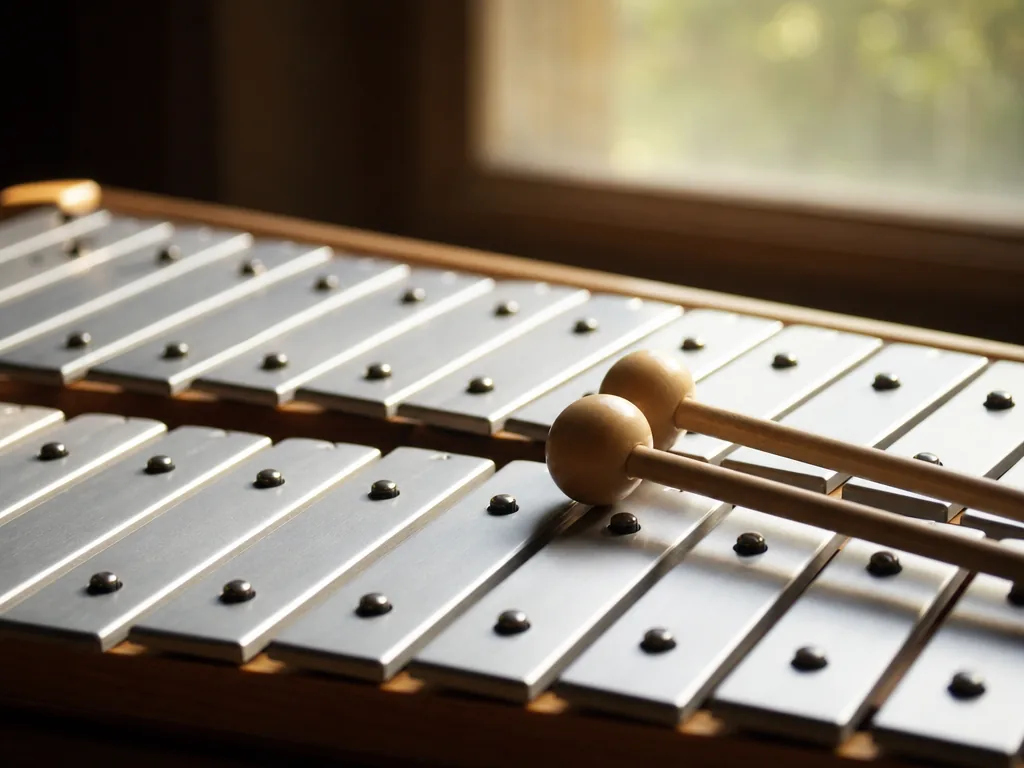
Ensemble Performance
As a member of an ensemble, the glockenspiel player must coordinate with other musicians to create a cohesive performance. This aspect of grading evaluates the player’s ability to synchronize with the group.
Synchronization with the Group
The glockenspiel player must be able to stay in time with the ensemble, adjusting their timing and dynamic levels as necessary. Grading looks at:
- Cues and Entrances — The ability to enter at the correct moment, whether the piece starts with the glockenspiel or the player enters later in the composition.
- Communication with Conductor and Musicians — The player’s awareness of the conductor’s cues and their responsiveness to changes in tempo, dynamics, and mood within the ensemble.
Stage Presence and Performance
Finally, the stage presence of the glockenspiel player plays a significant role in their overall evaluation. This includes their physical presentation and engagement with the audience.
Confidence and Focus
Grading assesses the player’s ability to maintain focus and confidence during the performance:
- Posture — The player should exhibit proper posture while playing, which helps convey a professional, confident image.
- Engagement — The player should connect with the audience, conveying the emotional depth of the music through both their playing and facial expressions.
Conclusion
The glockenspiel may appear simple at first glance, but it requires a high level of technical skill, musical sensitivity, and ensemble awareness to play well. Grading for glockenspiel players assesses their technical proficiency, rhythmic accuracy, dynamic control, musical expression, and ensemble collaboration, ensuring that they can produce clear, expressive, and musically integrated performances.
Frequently Asked Questions (FAQ)
Q: What is a glockenspiel, and how does it differ from a xylophone?
A glockenspiel uses tuned metal bars, giving it a bright, bell-like tone, while a xylophone uses wooden bars for a drier, more percussive sound. Both are laid out like a keyboard and struck with mallets, but the glockenspiel’s metal bars produce the sharper, shimmering sound heard in orchestras and marching bands.
Q: What are the main areas assessed when grading a glockenspiel player?
Grading typically covers technical proficiency (mallet handling and striking accuracy), rhythm and timing, dynamics and tone control, musicality and expressiveness, ensemble performance, and stage presence.
Q: Is the glockenspiel mainly a solo or an ensemble instrument?
It is versatile — it appears in orchestras, marching bands and drum corps, chamber music, and solo performances. In an ensemble it usually adds brilliance to high-register melodic passages, while in a solo setting it can showcase both technical proficiency and musical expressiveness.
Q: How can a player improve their striking accuracy?
Focus on a secure but relaxed mallet grip, aim for the centre of each bar, and practise slow, deliberate note sequences before building speed, so that quick passages stay clean and free of accidental strikes on adjacent bars.
Further Resources & Next Steps
- Official Resources — Refer to graded exam syllabuses from established music examination boards (such as ABRSM or Trinity College London) for structured glockenspiel and tuned-percussion requirements.
- Further Reading — Study percussion method books on mallet technique and two-mallet coordination, and listen to orchestral recordings to hear how the glockenspiel is used in context.
- Parent Tips — Encourage regular, short practice sessions that isolate grip, accuracy and rhythm before combining them, and praise clean, expressive playing rather than speed alone.
Note: The information above is for reference only. Please consult professional education institutions for details.
This article was initially drafted and organised with AI. Editor / Professor Chan Kwok-wai; Managing Editor / Kong Yee-leung
Act Now: Find a Tutor / Register as a Tutor
For parents & students: looking for a home or online tutor for this subject? Click the button below to post a free tuition case (subject, level and preferred time) — TutorZone will match you with suitable tutors:
For tutors: do you teach this subject? Click the button below to register for free and receive more suitable cases — you pay only when a match is made: