 Chinese (Traditional)
 Chinese (Simplified)
 English



Flute Grading Standards Explained: A Comprehensive Guide from Beginner to Diploma Level
@keyframes tzPulseO { 0%,100% { box-shadow: 0 0 0 0 rgba(255,140,0,.55); transform: scale(1); } 50% { box-shadow: 0 0 0 14px rgba(255,140,0,0); transform: scale(1.04); } }
@keyframes tzPulseN { 0%,100% { box-shadow: 0 0 0 0 rgba(2,30,64,.5); transform: scale(1); } 50% { box-shadow: 0 0 0 12px rgba(2,30,64,0); transform: scale(1.04); } }
.tz-blink-o { animation: tzPulseO 1.6s ease-in-out infinite; }
.tz-blink-n { animation: tzPulseN 1.6s ease-in-out infinite .35s; }
TUTORZONE SUBJECT GUIDE · Flute Grading Standards
Flute Grading Standards: From the first notes to diploma-level artistry, flute grade exams map a clear path through technique, tone and musicianship. Here’s a complete guide to the ABRSM and Trinity College London flute grading systems, from Grade 1 all the way to diploma level.
Direct Answer:What are the flute grade exams?
Flute grade exams progress from Grade 1 to diploma level, covering technique, tone and musicianship under ABRSM or Trinity.
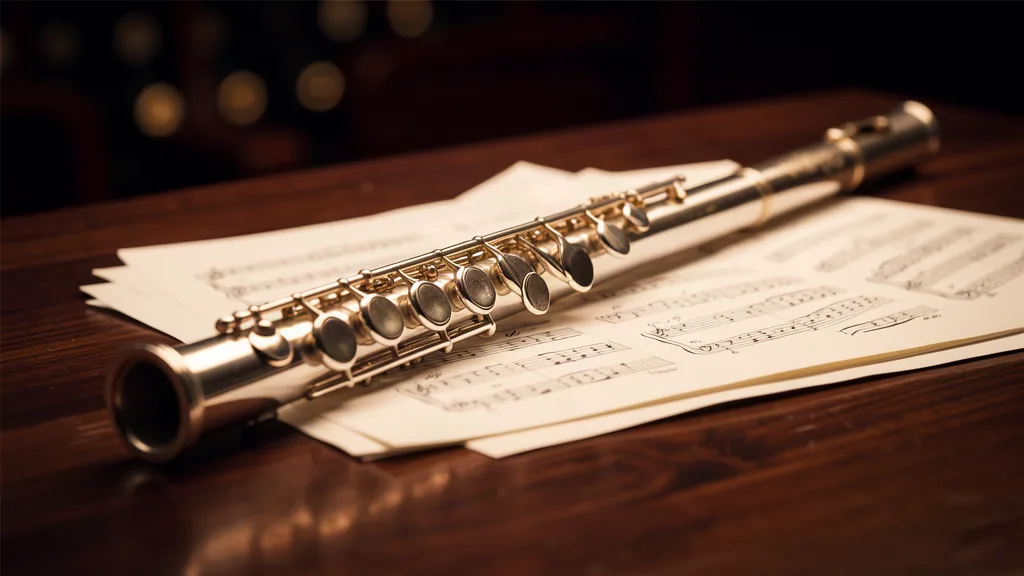
Flute Grading Standards: Overview of the Flute Grading System
Learning the flute is a rewarding journey that combines musical expression, technical skill, and disciplined practice. To measure progress and set achievable goals, many students follow structured flute grading systems provided by internationally recognized examination boards such as ABRSM (Associated Board of the Royal Schools of Music) and Trinity College London.
These grading systems offer clear benchmarks for evaluating a student’s proficiency, from beginner to professional levels. Whether you’re a student, a parent, or a music teacher, understanding these standards can help guide practice routines and exam preparation.
Most flute grading systems range from Grade 1 to Grade 8, with some institutions offering Diploma levels beyond Grade 8 for advanced musicians. Each grade builds upon the previous one, gradually introducing more complex techniques, musicality, and performance demands.
The most widely used boards include:
- ABRSM——used widely in Hong Kong, the UK, and many Commonwealth countries
- Trinity College London——also internationally recognized and widely accepted
Let’s break down what’s expected at each grade level.
Foundation Level (Grades 1–3)
Target Students
Beginners with basic knowledge of the flute.
Skills Required
- Basic scales and arpeggios (e.g., C major, G major)
- Understanding of rhythm, note values, and time signatures
- Breath control and stable embouchure
- Basic articulation (e.g., tonguing, slurs)
Exam Components
- Three set pieces (chosen from a published list)
- Technical work: Scales and arpeggios
- Sight-reading
- Aural tests (e.g., identifying rhythms or singing back short melodies)
Typical Repertoire
Folk songs, simple classical melodies, and short performance pieces.
Intermediate Level (Grades 4–6)
Target Students
Learners with consistent tone and improved technical ability.
Skills Required
- More complex keys and minor scales
- Dynamic control and expressive phrasing
- Faster passages and articulation variety
- Increased focus on tone quality and vibrato
Exam Components
Same as above, but with heightened difficulty in each section.
Typical Repertoire
Baroque and Classical works (e.g., Handel, Telemann), modern solo pieces, and longer musical phrases.
Advanced Level (Grades 7–8)
Target Students
Advanced students preparing for conservatory auditions or competitions.
Skills Required
- Mastery of all major and minor keys
- Wide dynamic range and tonal color
- Strong breath support for longer phrasing
- Clear stylistic interpretation across genres
- Confidence and polish in performance
Exam Components
- Three demanding pieces, often of concert-level difficulty
- High-speed scales, arpeggios, and extended techniques
- Challenging sight-reading and aural tests
Typical Repertoire
Flute concertos (e.g., Mozart), 20th-century music, études by composers like Andersen and Köhler.
Diploma Levels: Beyond Grade 8
Once a student has completed Grade 8, they can pursue Diploma qualifications, which are recognized as professional-level achievements.
Options include:
- ARSM (ABRSM)——performance-based diploma focused on musical interpretation.
- ATCL / LTCL / FTCL (Trinity College London)——diplomas in performance, teaching, or theory.
Requirements:
- Presentation of a full recital program (20–40 minutes depending on diploma level)
- Deep understanding of repertoire, style, and historical context
- High-level technical execution and musical maturity
These diplomas are often pursued by aspiring music educators or professional performers.

How Are Flute Exams Scored?
ABRSM Scoring Breakdown
Total Marks: 150
- 100 marks——to pass
- 120 marks——for Merit
- 130 marks——for Distinction
Categories and Marks
| Component | Marks |
|---|---|
| Set pieces (3 pieces) | Up to 30 marks each (90 total) |
| Scales & arpeggios | 21 |
| Sight-reading | 21 |
| Aural tests | 18 |
| Total | 150 |
Scores reflect performance quality, tone control, rhythm accuracy, musical expression, and stage presence.
Tips for Preparing for Flute Exams
- Structured Practice Routine——focus on tone, scales, and exam pieces daily.
- Listen to Recordings——gain interpretation ideas and stylistic awareness.
- Work with a Qualified Teacher——receive feedback on technique, intonation, and performance.
- Mock Exams——simulate real exam conditions to build confidence.
Why Take Flute Grade Exams?
Flute grade exams offer a clear learning progression, increase motivation, and build a solid musical foundation. For students aiming for music school, scholarships, or teaching careers, these qualifications are valuable milestones.
Even for hobbyists, these exams provide structure and purpose to the learning process, while certificates can serve as proof of achievement.
Frequently Asked Questions (FAQ)
Q: Which exam board should my child choose — ABRSM or Trinity College London?
Both are internationally recognized and widely accepted. ABRSM is especially common in Hong Kong, the UK and many Commonwealth countries, while Trinity College London is equally respected worldwide. The choice often comes down to the teacher’s preference, the repertoire lists, and the format of the supporting sight-reading and aural tests.
Q: What grade should a complete beginner aim for first?
Most beginners work towards Grades 1–3, which cover basic scales, articulation, breathing and short performance pieces. Building a stable embouchure and a clear tone at this stage matters more than rushing through the grades.
Q: How long does it typically take to reach Grade 8?
This varies with practice time and quality of instruction, but many students take roughly six to eight years of consistent study to reach Grade 8. Grade exams reward steady, disciplined progress, so there is no benefit to skipping the foundations.
Q: Are flute grade certificates recognized by schools and universities?
Yes. Higher grades (especially Grade 6 and above) and diplomas are often counted as evidence of musical achievement in school applications, scholarships and university music programs, while diplomas such as ARSM, ATCL, LTCL and FTCL are recognized as professional-level qualifications.
Further Resources & Next Steps
- Official Resources——ABRSM and Trinity College London publish current flute syllabi, repertoire lists and past papers on their official websites.
- Further Reading——method books and études by composers such as Andersen and Köhler support technique development at every grade.
- Parent Tips——encourage a daily practice routine, listen to recordings together, and book a mock exam before the real one to build confidence.
Note: The information above is for reference only. Please consult professional education institutions for details.
This article was initially drafted and organised with AI. Editor / Professor Chan Kwok-wai; Managing Editor / Kong Yee-leung
Act Now: Find a Tutor / Register as a Tutor
For parents & students: looking for a home or online tutor for this subject? Click the button below to post a free tuition case (subject, level and preferred time) — TutorZone will match you with suitable tutors:
For tutors: do you teach this subject? Click the button below to register for free and receive more suitable cases — you pay only when a match is made: