
 Chinese (Traditional)
 Chinese (Simplified)
 English



Electric Guitar Grading Guide: A Professional Evaluation from Materials to Tone
TUTORZONE SUBJECT GUIDE · STRING INSTRUMENTS
A practical guide to grading electric guitars, from tonewood selection and pickup types to craftsmanship, buying advice, and long-term maintenance — so students and parents can choose an instrument that matches their level and musical style.
Direct Answer:How are electric guitars graded?
Grading electric guitars covers tonewood, pickups, craftsmanship, buying advice, and maintenance, to match a student’s level and musical style.

Material Selection Sets the Foundation for Tone
The three tonewood layers of an electric guitar — body, neck, and fretboard — work together to define its sound, feel, and durability. Understanding each layer helps you grade an instrument objectively.
Body Wood Types
- Alder——Balanced tone, suitable for various music styles.
- Ash——Bright and clear, ideal for funk and pop.
- Mahogany——Warm and heavy, great for rock and metal.
- Basswood——Emphasized midrange, budget-friendly option.
Neck Wood
- Maple——Quick response, bright tone.
- Mahogany——Longer sustain, warmer sound.
- Carbon-Reinforced Necks——Maximum stability and warp resistance.
Fretboard Wood
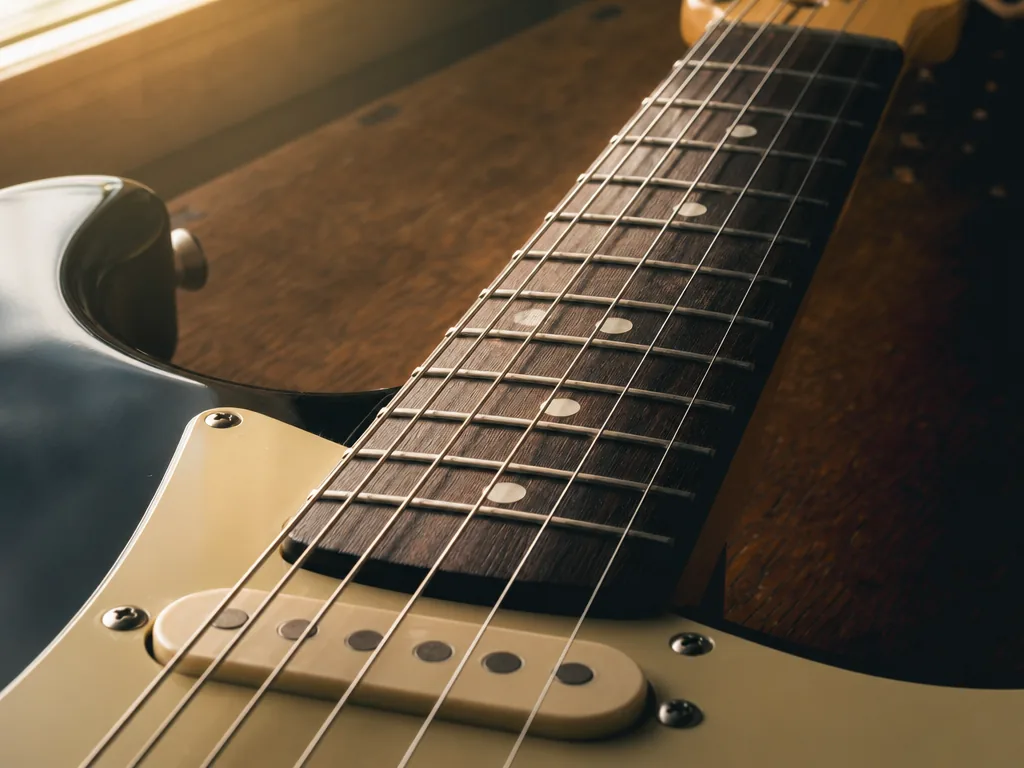
- Maple——Bright tone, commonly used in Fender guitars.
- Rosewood——Warm tone, often used by Gibson.
- Ebony——Premium material, smooth playing feel.
Pickup Systems Affect Tone Performance
- Single-coil——Clear and bright; great for blues and pop.
- Humbucker——Thick and full; ideal for rock and metal.
- Active Pickups——High output and low noise, perfect for heavy genres.
- P90——A tonal blend between single-coil and humbuckers, offering a vintage sound.
Craftsmanship Influences Playing Experience
- Neck Joint Types——Bolt-on vs. set-neck vs. neck-through, each offering different sustain and feel.
- Fret Quality——Stainless steel frets offer longer durability.
- Bridge Systems——Fixed vs. tremolo bridges affect tuning stability.
- Electronics Design——High-quality components reduce signal loss.
Electric Guitar Grading Reference Table
| Grade | Price Range (NTD) | Target Users | Representative Models |
|---|---|---|---|
| Entry-level | 5,000–15,000 | Beginners | Squier Affinity, Epiphone Les Paul SL |
| Mid-range | 15,000–40,000 | Intermediate players | Fender Player, Gibson SG Standard |
| Professional | 40,000–100,000 | Pro musicians | Fender Custom Shop, Gibson Custom |
| Collector | 100,000 and above | Collectors | Limited signature editions, vintage models |
Buying Advice
- Match your genre——Choose body shape and pickup configuration according to your musical genre.
- Check the neck——When testing, check if the neck is straight and frets are level.
- Verify the bridge——Pay attention to bridge system stability and tuning accuracy.
- Test the electronics——Check all electronic components to ensure they function properly and are noise-free.
- Plan for upgrades——Consider future upgrade potential (e.g., swapping pickups).
Maintenance Tips
- Clean regularly——Clean the fretboard and body regularly.
- Change strings——Replace old strings as needed.
- Control humidity——Maintain humidity levels between 40–60%.
- Adjust the truss rod——Adjust the truss rod periodically to maintain neck relief.
- Prevent oxidation——Clean input jacks and pots to prevent oxidation.
- Store properly——Loosen the strings if the guitar won’t be used for a long period.
Frequently Asked Questions (FAQ)
Q: What wood is best for a beginner electric guitar?
Alder and basswood are popular beginner choices — alder offers a balanced, all-round tone, while basswood is budget-friendly with an emphasized midrange.
Q: Should I choose single-coil or humbucker pickups?
Single-coils are clear and bright and suit blues and pop, while humbuckers are thicker and fuller and suit rock and metal. Choose based on the musical genre you play most.
Q: How much should I spend on a first electric guitar?
An entry-level guitar in the 5,000–15,000 range is usually enough for beginners; mid-range instruments suit intermediate players, while professionals and collectors invest more.
Q: How do I keep an electric guitar in good condition?
Clean the fretboard and body regularly, replace strings as needed, keep humidity between 40–60%, and loosen the strings before long-term storage.
Further Resources & Next Steps
- Official Resources——Fender and Gibson official websites for body wood, pickup, and model specifications.
- Further Reading——Guitar buyer’s guides and maintenance manuals from established music shops and instrument-makers.
- Parent Tips——Let your child try the guitar in person, check that the neck is straight and the frets are level, and start with an entry-level model before upgrading.
Note: The information above is for reference only. Please consult professional education institutions for details.
This article was initially drafted and organised with AI. Editor / Professor Chan Kwok-wai; Managing Editor / Kong Yee-leung
Act Now: Find a Tutor / Register as a Tutor
For parents & students: looking for a home or online tutor for this subject? Click the button below to post a free tuition case (subject, level and preferred time) — TutorZone will match you with suitable tutors:
For tutors: do you teach this subject? Click the button below to register for free and receive more suitable cases — you pay only when a match is made: