
 Chinese (Traditional)
 Chinese (Simplified)
 English



DSE Music tutor
TUTORZONE SUBJECT GUIDE · DSE
A complete guide to the DSE Music elective (Subject Code: MUSIC): how the curriculum, assessment and grading break down, who it suits, and the study and career paths it opens up.
Direct Answer:What is DSE Music?
DSE Music is an elective (Subject Code: MUSIC) with a defined curriculum, assessment, and grading, suited to music students, and opens study and ca。
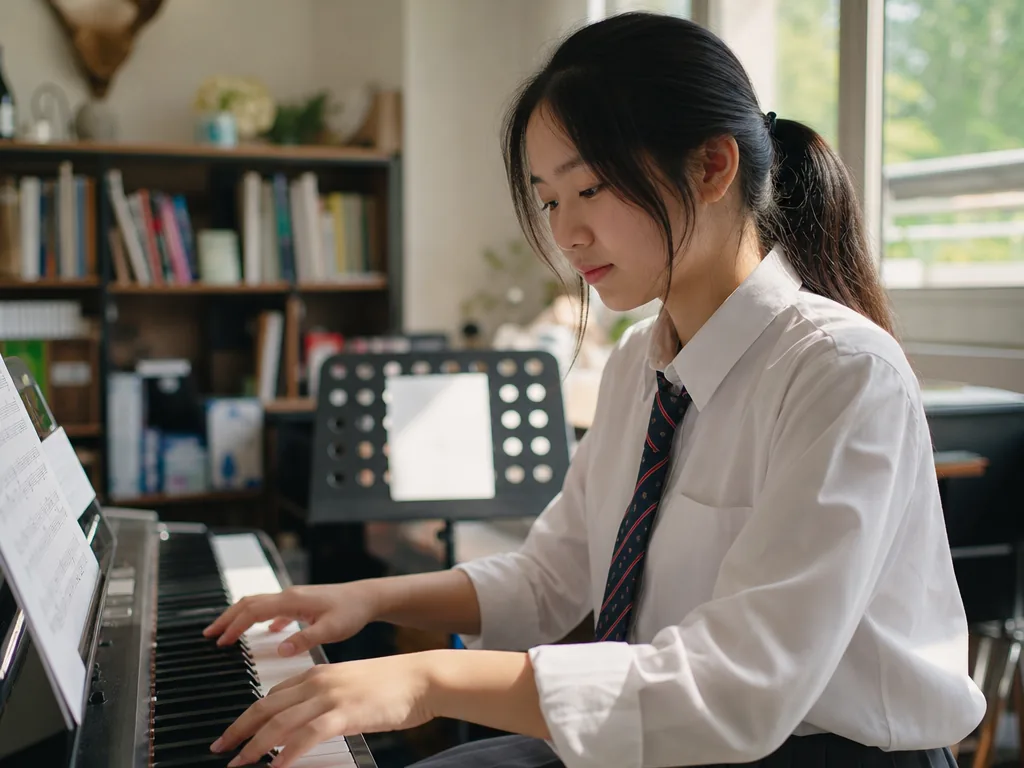
What Is DSE Music?
DSE Music (Subject Code: MUSIC) aims to cultivate students’ musical literacy, creativity, and critical listening skills. The curriculum covers Western classical music, Chinese music, popular music, and world music, and it is designed for students who have a strong interest in music and a basic foundation in performance or music theory.
At its heart, the subject develops three core competencies:
Performance
Instrumental or vocal technique, built through prepared solo and ensemble repertoire.
Composition
Original creative work, from a submitted portfolio to on-site written composition tasks.
Listening & Analysis
Aural and analytical skills across Western, Chinese, popular, and world music.
Curriculum Structure
DSE Music is divided into compulsory and elective parts, with assessments covering music theory, practice, and cultural understanding.
1. Compulsory Part (70% of total score)
Listening (30%)
- Musical Elements Analysis——Melody, harmony, rhythm, texture, timbre, and more.
- Musical Styles and Periods——Western music (Baroque, Classical, Romantic, Modern); Chinese music (opera, folk, contemporary Chinese music); popular music (jazz, rock, electronic); and world music (Indian, African, Latin music, and more).
- Listening Exam——Students listen to audio clips and identify instruments, styles, and musical structures.
Performance (20%)
- Students must prepare two contrasting solo or ensemble pieces (at least one must be Western classical or Chinese music).
- Assessment format——live performance (e.g. piano, violin, vocal) or video submission in specific cases.
Composition (20%)
- Portfolio——submission of two original works (instrumental, vocal, or electronic), with accompanying commentary.
- Written Composition——on-site composition based on prompts (e.g. melody development, harmonic arrangement).
2. Elective Part (30% of total score — choose one)
- Advanced Performance——perform an additional piece of higher difficulty (e.g. ABRSM Grade 6 or above).
- Advanced Composition——submit a more complex original work (e.g. symphonic excerpt, film score).
- Thematic Research——conduct a study on a music-related topic (e.g. “The Development of Hong Kong Pop Music”) and write a 3,000-word report.
Assessment Methods
DSE Music is assessed through School-Based Assessment (SBA) and public examination:
| Component | Assessment Format | Weight |
|---|---|---|
| Listening | Written exam (MCQ, short answers) | 30% |
| Performance | Live performance or video submission | 20% |
| Composition | Portfolio + on-site composition task | 20% |
| Elective Part | Advanced performance / composition / research | 30% |
Learning Objectives and Skills
The subject builds four skill sets that run through every paper:
- Music Theory and Analysis——Master harmony and musical forms (e.g. sonata form, variation form).
- Performance Techniques——Improve instrumental or vocal skills and interpret various musical styles.
- Compositional Ability——Learn techniques such as motif development, orchestration, and arrangement.
- Cultural Understanding——Compare Eastern and Western musical characteristics, and explore music’s role in society (e.g. wartime songs).
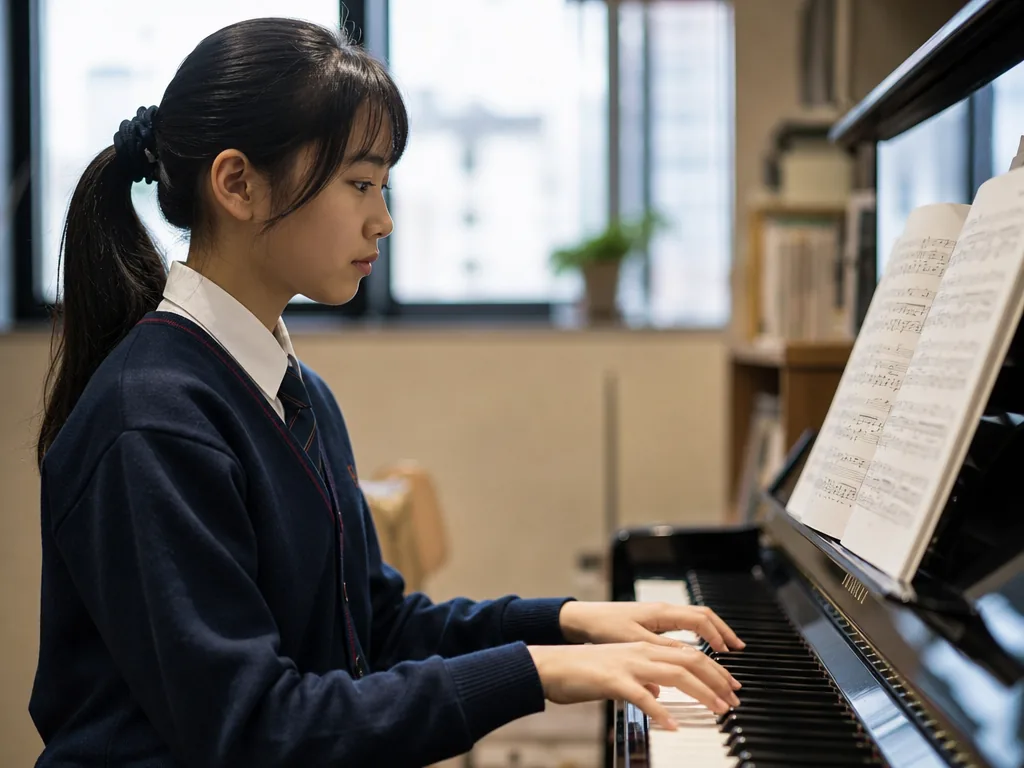
Who Is This Subject For?
- Students with ABRSM / Trinity Grade 5 or above in performance or theory.
- Those passionate about composition, music research, or performance.
- Students planning to pursue further studies in music, music education, music therapy, or arts administration.
Further Studies and Career Prospects
Local Further Education
- University Programs——HKU (Music Studies), CUHK (Department of Music), HKBU (Creative Arts – Music).
- Post-secondary Institutions——HKAPA (Performance, Composition), VTC Diploma in Music Technology.
Career Paths
- Professional performer, music teacher, composer/arranger.
- Music therapist, arts administrator, music producer.
Common Learning Materials and Resources
- Textbooks——New Senior Secondary Music (Manhattan Press), Listening Training Manual.
- Theory References——ABRSM Theory Grades 5–8, Harmony Textbook.
- Listening Resources——Naxos Music Library, classical music channels on YouTube.
DSE Music is ideal for students with a solid musical foundation who wish to pursue in-depth music studies. The course combines academic and practical training, developing comprehensive musical skills. Candidates must balance performance, composition, and theory, and listen widely across musical styles to prepare for listening exams. For recommendations on repertoire or guidance on music theory techniques, feel free to reach out!
Frequently Asked Questions (FAQ)
Q: Do I need prior music qualifications to take DSE Music?
It is designed for students with a strong interest in music and a basic foundation in performance or theory. Those with ABRSM / Trinity Grade 5 or above in performance or theory are especially well prepared.
Q: How is the performance component assessed?
Live performance (e.g. piano, violin, vocal) is standard, with video submission allowed in specific cases. Students prepare two contrasting solo or ensemble pieces, at least one of which must be Western classical or Chinese music.
Q: What is the difference between the compulsory and elective parts?
The compulsory part (70%) covers listening, performance, and composition, while the elective part (30%) lets you choose one of advanced performance, advanced composition, or a thematic research report.
Q: What can I do after taking DSE Music?
It leads to university music programs (HKU, CUHK, HKBU) and careers in performance, teaching, composition, music therapy, arts administration, and music production.
Further Resources & Next Steps
- Official Resources——Visit the Hong Kong Education Bureau (www.edb.gov.hk) for official curriculum and examination details.
- Further Reading——New Senior Secondary Music (Manhattan Press), the Listening Training Manual, and ABRSM Theory Grades 5–8 references.
- Parent Tips——Encourage a regular practice routine, wide listening across genres, and an early choice of elective direction so students can balance performance and theory workloads.
Note: The information above is for reference only. Please consult professional education institutions for details.
This article was initially drafted and organised with AI. Editor / Professor Chan Kwok-wai; Managing Editor / Kong Yee-leung
Act Now: Find a Tutor / Register as a Tutor
For parents & students: looking for a home or online tutor for this subject? Click the button below to post a free tuition case (subject, level and preferred time) — TutorZone will match you with suitable tutors:
For tutors: do you teach this subject? Click the button below to register for free and receive more suitable cases — you pay only when a match is made:
