 Chinese (Traditional)
 Chinese (Simplified)
 English



Understanding the Chinese Language Curriculum for Hong Kong Junior Secondary Students: A Comprehensive Guide
TUTORZONE SUBJECT GUIDE · LOCAL SECONDARY SCHOOL
Chinese Language is a cornerstone of Hong Kong’s junior secondary curriculum, building listening, speaking, reading and writing skills from Form 1 to Form 3. This guide breaks down the curriculum’s objectives, key components and assessment methods — and explains how supplementary tutoring can help students excel.
Direct Answer:What is the Chinese Language curriculum for Hong Kong junior secondary?
It builds listening, speaking, reading, and writing skills from Form 1 to 3, with objectives, components, and assessment explained.
What Is the Junior Secondary Chinese Language Curriculum?
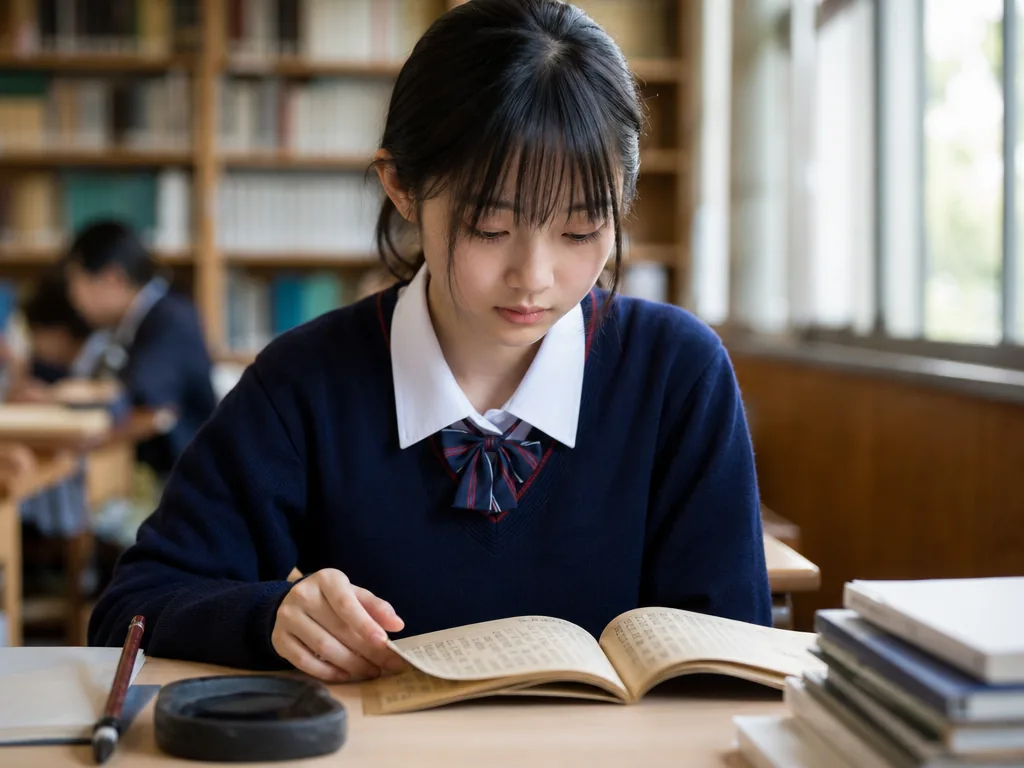
The Chinese Language curriculum spans three years (Form 1 to Form 3) and is part of the core subjects in the Hong Kong education system. It is designed to nurture students’ skills in listening, speaking, reading and writing, with a focus on both traditional and modern forms of the language. The aim is not only to ensure proficiency in the language but also to foster an appreciation for Chinese literature, culture and history.
Key Features of the Curriculum
- Comprehensive Language Skills — The curriculum emphasizes the four primary language skills: listening, speaking, reading and writing. This balanced approach ensures students are well-equipped to use the language effectively in both academic and real-life contexts.
- Cultural and Literary Understanding — Students are exposed to a wide range of Chinese literary works, including classical poetry, modern prose and traditional folk tales, helping them appreciate Chinese culture and history through its rich literary heritage.
- Real-World Communication — The curriculum encourages students to use language skills in everyday situations, preparing them to engage meaningfully with the world around them.
- Grammar and Vocabulary Mastery — A significant focus is placed on developing a strong command of Chinese grammar and expanding vocabulary, both essential for effective communication and writing.
- Language Application — The curriculum emphasizes the practical application of language skills in different contexts, such as presenting arguments, writing essays and participating in discussions.
A Form-by-Form Breakdown of the Curriculum
Listening, speaking, reading and writing — four skills, one foundation for lifelong learning.
Form 1 (Grade 7) — Foundation of Chinese Language Skills
In Form 1, students are introduced to the foundational elements of the Chinese language. This stage sets the groundwork for more advanced language learning in subsequent years.
- Basic Listening and Speaking Skills — Students begin with fundamental listening and speaking exercises, learning to express themselves in various situations, such as introducing themselves or asking for directions.
- Introduction to Reading and Writing — Students are introduced to basic Chinese texts, including short stories and dialogues, and practice writing short paragraphs or letters with proper grammar and structure.
- Building Vocabulary — A key focus in Form 1 is developing a strong vocabulary base. Students learn common words and phrases used in daily life, focusing on both character recognition and pronunciation.
- Simple Compositions — Students practice writing simple compositions, such as personal letters or descriptive essays, to build confidence and writing fluency.
Form 2 (Grade 8) — Enhancing Language Proficiency
In Form 2, students deepen their understanding of the Chinese language and work on refining their reading, writing and speaking skills.
- Advanced Reading Comprehension — Students read more complex texts, including short stories, poems and essays, and engage in discussions about their meaning and themes.
- Expanding Vocabulary and Grammar — The focus shifts to more advanced vocabulary and grammatical structures. Students learn to use new words and phrases in context and practice more complex sentence structures.
- Creative Writing and Composition — Students are encouraged to write creative pieces, such as short stories or essays, with a focus on clarity, coherence and expressive language.
- Public Speaking and Debate — Students practice delivering speeches or engaging in debates, helping build confidence and the ability to express their thoughts in a structured manner.
Form 3 (Grade 9) — Mastery and Application
Form 3 represents the culmination of the junior secondary Chinese language learning journey. In this year, students refine their skills and prepare for more challenging assessments.
- Advanced Reading and Analysis — Students read more complex literary works, such as excerpts from classical Chinese literature or modern essays, and analyze the themes, styles and cultural context of the texts.
- Sophisticated Writing Skills — Students are expected to write longer and more sophisticated essays on various topics, demonstrating mastery of grammar, vocabulary and composition techniques.
- Oral Proficiency — Students continue to hone their speaking skills, engaging in discussions, debates or oral presentations on more abstract or complex topics, such as social issues or current events.
- Cultural and Literary Appreciation — A key aspect of Form 3 is developing an appreciation for the richness of Chinese culture and literature. Students explore historical texts and literary traditions, gaining a deeper understanding of Chinese heritage.
Key Skills Developed in the Curriculum
The Chinese Language curriculum is designed to develop a wide range of skills that will serve students throughout their academic and personal lives.
Language Proficiency
Students learn to communicate fluently and accurately in Chinese, both in writing and speaking — essential for academic success and future careers.
Critical Thinking & Analysis
Reading comprehension, literary analysis and essay writing teach students to think critically, analyze information and express ideas coherently.
Cultural Appreciation
Exposure to Chinese literature, history and culture helps students develop a deeper understanding of their heritage and global perspectives.
Creativity
Writing and oral presentation exercises encourage students to express themselves creatively through storytelling, descriptive writing or persuasive speeches.
Confidence
As students progress, they build confidence in their language skills, enabling active participation in discussions, essay writing and public speaking.
Assessment and Evaluation
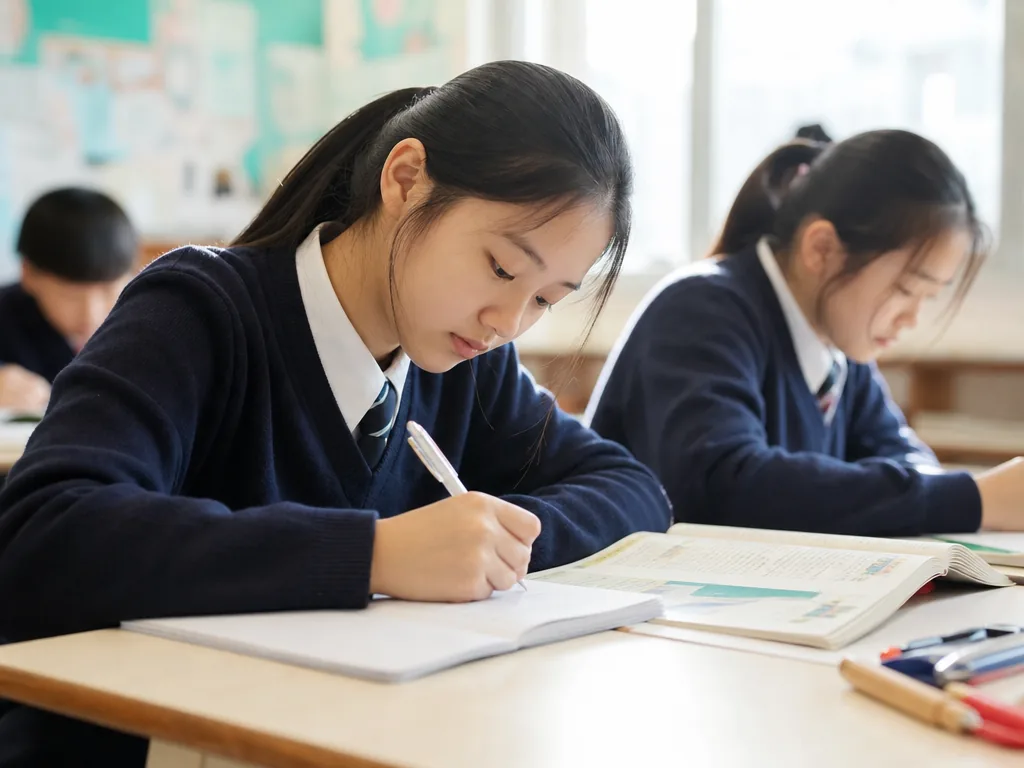
Assessment in the Chinese Language curriculum is typically a combination of both formative and summative assessments. These may include:
- Listening and Speaking Tests — Students are assessed on their ability to comprehend spoken Chinese and express themselves orally in various contexts.
- Reading Comprehension Exams — These tests evaluate students’ ability to understand and analyze Chinese texts, focusing on extracting key ideas, interpreting meaning and analyzing language use.
- Writing Assessments — Students produce written work, such as essays or creative compositions, assessed for clarity, structure, grammar and vocabulary use.
- Class Participation — Active participation in class discussions, debates and group activities contributes to a student’s overall assessment.
- End-of-Term Exams — Summative exams, typically at the end of each term, assess overall proficiency in reading, writing, speaking and listening.
Supplementary Tutoring for Chinese Language
Many students choose to attend supplementary tutoring to further enhance their Chinese language skills. Here’s why it can be beneficial:
Why Supplementary Tutoring?
- Individualized Attention — Tutors can focus on a student’s specific areas of weakness, whether it’s grammar, writing skills or oral proficiency.
- Additional Practice — Extra practice exercises and customized assignments help students reinforce what they have learned and build confidence in their skills.
- Improved Exam Performance — Supplementary tutoring can provide valuable exam strategies, helping students prepare for reading comprehension, writing and oral assessments.
- Motivation and Confidence — With personalized attention, students are more likely to stay motivated and develop the confidence they need to succeed.
What Can Students Expect from Tutoring?
- Targeted Learning — Tutors often focus on particular aspects of language learning, such as improving pronunciation, enhancing writing skills or mastering difficult vocabulary.
- Mock Exams and Practice — Tutors often provide practice tests and mock exams, simulating real exam conditions and helping students familiarize themselves with the format.
- Enhanced Learning Materials — Tutors may provide extra learning materials, such as practice exercises, reading lists or online resources, to help students further improve their skills.
Conclusion
The Chinese Language curriculum plays a pivotal role in ensuring that students become proficient in Chinese — a language that is not only central to academic success but also deeply connected to cultural identity. With a balanced approach to language acquisition focusing on listening, speaking, reading and writing, the curriculum equips students with the essential skills they need to navigate both academic and real-world challenges.
Supplementary tutoring can provide valuable support, helping students refine their skills and boost their confidence. Whether through targeted practice or cultural enrichment, tutoring offers students the extra help they may need to excel in this essential subject.
Frequently Asked Questions (FAQ)
Q: How is the Chinese Language subject assessed in junior secondary?
Assessment combines formative and summative methods, including listening and speaking tests, reading comprehension exams, writing assessments, class participation and end-of-term exams covering all four language skills.
Q: What is the difference between the four core language skills?
Listening and reading are receptive skills (understanding spoken and written Chinese), while speaking and writing are productive skills (expressing yourself orally and in writing). The curriculum develops all four in balance from Form 1 to Form 3.
Q: Can supplementary tutoring really improve Chinese Language results?
Yes — targeted tutoring offers individualized attention, extra practice, exam strategies and mock papers, which together reinforce classroom learning and build the confidence students need to perform better in assessments.
Q: When should my child start preparing for the DSE Chinese Language exam?
Strong foundations are built in Forms 1 to 3, so it is wise to consolidate vocabulary, grammar and composition skills early. This makes later DSE preparation, which demands advanced reading, writing and oral proficiency, far more manageable.
Further Resources & Next Steps
- Official Resources — The Hong Kong Education Bureau (EDB) publishes the official Chinese Language Education curriculum guide at www.edb.gov.hk.
- Further Reading — The EDB’s Chinese Language Education Key Learning Area documents detail the learning targets and assessment frameworks for junior secondary.
- Parent Tips — Encourage daily reading of Chinese newspapers and quality books, and discuss the texts together to build vocabulary and comprehension naturally.
Note: The information above is for reference only. Please consult professional education institutions for details.
This article was initially drafted and organised with AI. Editor / Professor Chan Kwok-wai; Managing Editor / Kong Yee-leung
Act Now: Find a Tutor / Register as a Tutor
For parents & students: looking for a home or online tutor for this subject? Click the button below to post a free tuition case (subject, level and preferred time) — TutorZone will match you with suitable tutors:
For tutors: do you teach this subject? Click the button below to register for free and receive more suitable cases — you pay only when a match is made: