
 Chinese (Traditional)
 Chinese (Simplified)
 English



Complete Guide to Junior Secondary Biology in Hong Kong
TUTORZONE SUBJECT GUIDE · LOCAL SECONDARY SCHOOL
Junior Secondary Biology (S1–S3) in Hong Kong is built on a scientific inquiry approach—observe, hypothesize, verify—linking biological phenomena to molecular mechanisms while nurturing bioethics and a sense of sustainable development. This guide walks through the curriculum’s five core domains, its teaching methods, assessment structure, and the resources that support learning at school and at home.
Direct Answer:What is Junior Secondary Biology in Hong Kong?
S1–S3 Biology in Hong Kong uses scientific inquiry to link phenomena to molecular mechanisms, fostering bioethics and sustainable development.
What Is Junior Secondary Biology?
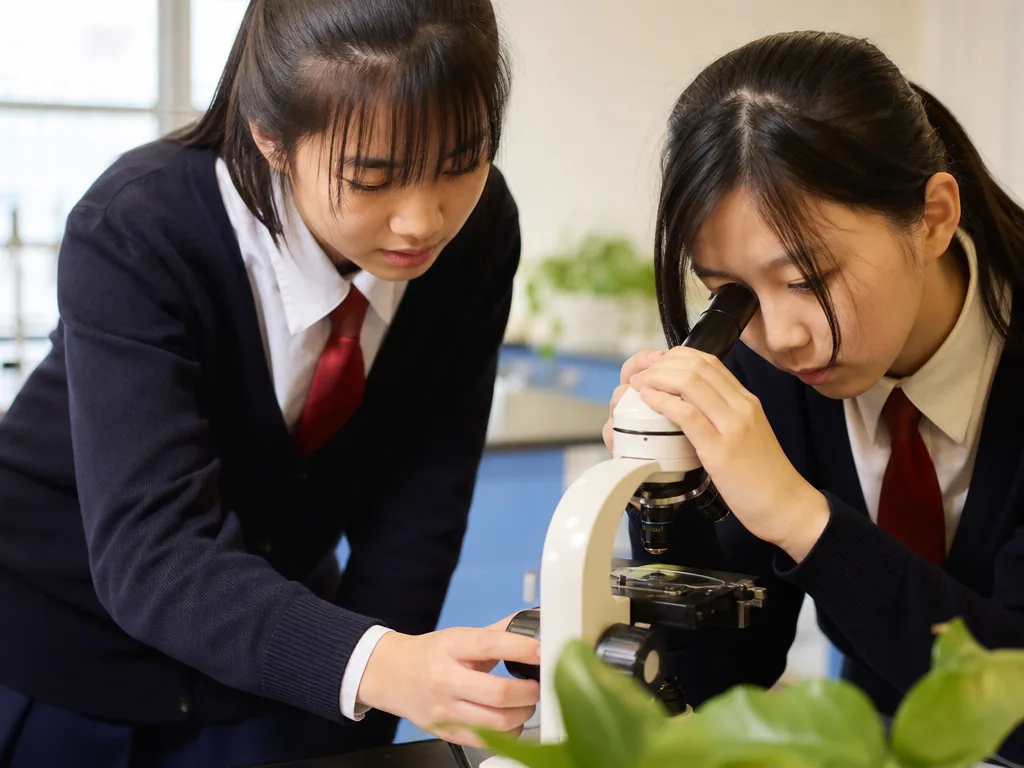
Junior Secondary Biology (S1–S3) in Hong Kong follows a scientific inquiry approach—Observe, Hypothesize, Verify—to help students understand the connection between biological phenomena and molecular mechanisms. The curriculum also promotes awareness of bioethics and sustainable development, aiming for a balance between scientific advancement and ecological responsibility.
Learning Objectives
The main goals of Junior Secondary Biology in Hong Kong are to:
Build a Foundation in Life Sciences
Understand the relationships between biological structures and life processes.
Develop Scientific Inquiry Skills
Conduct experiments and apply scientific methods.
Raise Awareness of Ecology & Health
Understand environmental conservation and personal health.
Bridge to HKDSE Biology
Prepare students for the senior secondary elective subject.
Curriculum Structure: Five Core Domains
1. Cells & Life Processes
Cell Structure & Function:
- Compare plant and animal cells using microscopes.
- Explore organelle functions, especially mitochondria as “powerhouses.”
Vital Life Processes:
- Enzyme activity experiments (e.g. catalase breakdown rate).
- Diffusion & osmosis demonstrations using potato strips in salt solutions.
2. Human Biology
In-depth Study of Organ Systems:
| System | Key Concepts | Example Experiments |
|---|---|---|
| Digestion | Nutrient testing, amylase function | Model of intestinal villi |
| Circulatory | Blood types & transfusion | Microscope study of frog web capillaries |
| Nervous | Reflex arc | Knee-jerk reflex test |
Health Focus:
- Mechanism of vaccines (e.g. COVID-19 case study)
- Non-communicable disease prevention (e.g. diabetes & diet)
3. Plant Biology
Photosynthesis Experiments:
- Light exposure and starch testing using iodine
- CO₂ concentration as a limiting factor
Adaptations & Growth:
- Observing stomata in desert plants
- Germination under varying conditions
4. Genetics & Evolution
Fundamentals of Genetics:
- Mendel’s pea simulation
- Inherited human traits survey (e.g. attached earlobes)
Modern Biotechnology:
- Strawberry DNA extraction
- Debates on GM crops and ethics
5. Ecology & Environment
Ecosystem Studies:
- Constructing food webs (e.g. Mai Po Wetland case)
- Building energy pyramid models
Environmental Issues:
- Bioaccumulation (e.g. microplastics)
- School biodiversity surveys
Unique Teaching Approaches
Interdisciplinary Learning Projects
Infectious disease research draws on multiple subjects:
- Math — curve modeling
- Geography — spatial spread analysis
- Chemistry — disinfectant mechanisms
Digital & Experiential Tools
- Vernier sensors for photosynthesis rate tracking
- Virtual dissection tools (e.g. Frog Dissection AR)
Context-Based Learning
- Simulated outbreak tracking for epidemiology
- DIY eco-bottles to observe nutrient cycles
Laboratory Safety & Standards
| BSL Level | Experiment Type | Precautions |
|---|---|---|
| BSL-1 | Plant observation | Basic hygiene and lab protocols |
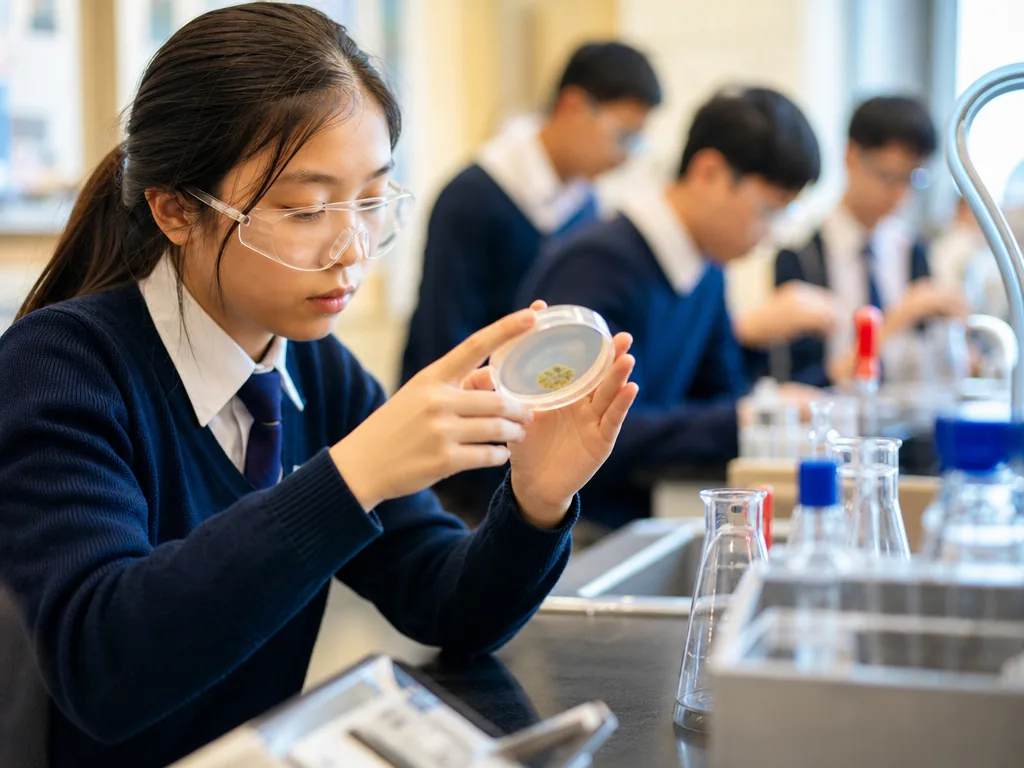
| BSL-2 | Microbial culture | Biosafety cabinet, emergency plans |
Emergency Protocols:
- Spillage cleanup for culture media
- Broken slide response steps
Assessment Structure
School-Based Assessment (60%)
Lab Skills Evaluation:
- Microscopy skills (focusing speed, slide prep quality)
Scientific Report Writing:
- Logical structure: Hypothesis → Methods → Conclusion
Project-Based Learning:
- e.g. “Insect Diversity vs. Temperature in School Grounds”
Public Assessment (40%)
Innovative Question Types:
- Design experiments (e.g. phototropism)
- Analyze data (e.g. population growth trends)
Teaching & Learning Resources
Digital Tools
- HKU Interactive Biology Learning Platform
- BioMan Biology (gamified learning)
Physical Aids
- 3D organ puzzles
- DNA double helix assembly kits
Alignment with Primary & DSE Biology
From Primary to Junior Secondary:
- Shift from naming organs to understanding systems coordination
- Move from demo-based to independent microscope usage
Preparing for HKDSE Biology:
- S3 introduces science reading comprehension
- Basic biochemistry (e.g. enzyme factors) as a transition topic
Latest Trends & Developments
Biotech Module:
- CRISPR animation to explain gene editing
- Stem cell therapy debates and ethics
Ecological Projects:
- Chinese white dolphin conservation case study
- Campus rain garden design and implementation
Parental Support & At-Home Activities
Hands-On Biology:
- Make homemade yogurt to observe bacterial action
- Record bean sprout growth in a diary
Science Exploration:
- Visit Kadoorie Farm & Botanic Garden
- Join “Junior Naturalist” programs
Recommended Reads:
- Our Amazing Body (Pop-up Book)
- Silent Spring – Youth Edition
2024 Key Education Statistics (Hong Kong)
- School Biology Lab Compliance Rate——91%
- Annual Lab Hours——50 (35% of total science time)
- DSE Biology Take-up Rate——45% among science stream students
Frequently Asked Questions (FAQ)
Q: What is the difference between Junior Secondary Biology and HKDSE Biology?
Junior Secondary Biology (S1–S3) is a foundation stage that builds scientific inquiry skills and introduces the five core domains. HKDSE Biology is a senior secondary elective that goes deeper into the same topics, with more advanced biochemistry, genetics, and practical assessment.
Q: Is Biology compulsory in junior secondary school?
Science at the junior secondary level in Hong Kong is typically taught as an integrated subject, with Biology content forming a key part of it. It provides the groundwork whether or not a student later chooses Biology as a HKDSE elective.
Q: How can I help my child improve in Biology at home?
Encourage hands-on activities such as growing bean sprouts, making homemade yogurt, or visiting places like Kadoorie Farm. Reinforcing observation and asking “why” questions helps develop the scientific inquiry mindset the curriculum emphasises.
Q: What should students focus on to prepare for the assessment?
Balance the school-based component—lab skills such as microscopy and report writing—with the data-analysis and experimental-design question types found in the public assessment. Consistent practice with past question formats helps most.
Further Resources & Next Steps
- Official Resources——Hong Kong Education Bureau (EDB) at www.edb.gov.hk for the latest curriculum and assessment updates.
- Further Reading——BioMan Biology for gamified revision, plus titles such as Our Amazing Body and Silent Spring (Youth Edition).
- Parent Tips——Pair screen time with hands-on exploration: a weekend trip to Kadoorie Farm or a home “bean sprout diary” reinforces what is taught in the lab.
Note: The information above is for reference only. Please consult professional education institutions for details.
This article was initially drafted and organised with AI. Editor / Professor Chan Kwok-wai; Managing Editor / Kong Yee-leung
Act Now: Find a Tutor / Register as a Tutor
For parents & students: looking for a home or online tutor for this subject? Click the button below to post a free tuition case (subject, level and preferred time) — TutorZone will match you with suitable tutors:
For tutors: do you teach this subject? Click the button below to register for free and receive more suitable cases — you pay only when a match is made: