 Chinese (Traditional)
 Chinese (Simplified)
 English



Understanding the Hong Kong Junior Secondary Debate and Public Speaking Curriculum: A Comprehensive Guide
TUTORZONE SUBJECT GUIDE · LOCAL SECONDARY SCHOOL
Debate and public speaking are essential skills that shape a student’s ability to communicate clearly, think critically, and engage with the world. This guide walks through Hong Kong’s Junior Secondary Debate and Public Speaking curriculum — what it covers, how it is assessed, and how students can succeed.
Direct Answer:What is the Hong Kong Junior Secondary Debate and Public Speaking curriculum?
It teaches clear communication, critical thinking, and engagement, with a Form 1–3 guide covering content and assessment.
What Is the Curriculum?
Debate and public speaking are essential skills that play a vital role in shaping students’ ability to communicate effectively, think critically, and engage with the world around them. In Hong Kong’s Junior Secondary curriculum, the subjects of Debate and Public Speaking aim to foster these skills in students, preparing them not only for academic success but also for effective communication in their future careers and daily lives.
This guide provides a detailed exploration of the Hong Kong Junior Secondary Debate and Public Speaking curriculum. Whether you are a student, parent, or educator, you will gain valuable insights into how these subjects are taught and why they are so important in the Hong Kong educational system.
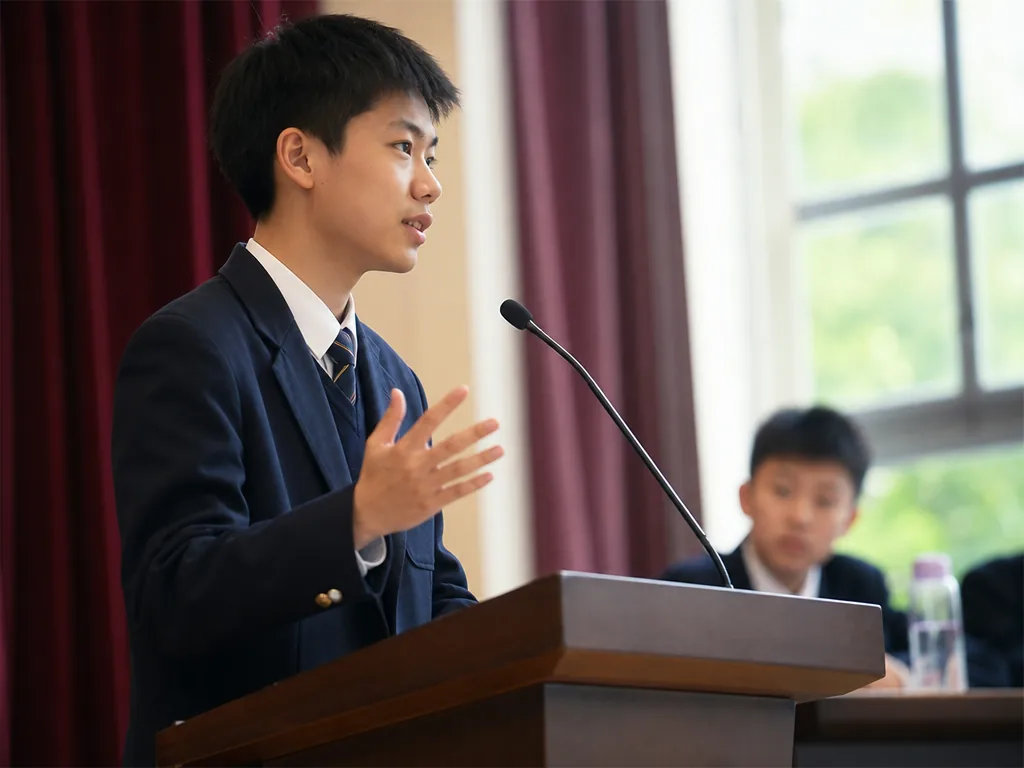
The Debate and Public Speaking curriculum is designed to develop students’ verbal communication skills, critical thinking, and persuasive abilities. It is not just about speaking in public but also about understanding how to construct well-reasoned arguments, engage with different perspectives, and present ideas clearly and convincingly.
In Junior Secondary (Form 1 to Form 3), students are introduced to the fundamentals of both debate and public speaking, with a focus on building confidence, enhancing language skills, and learning how to communicate effectively in various settings.
Key Features of the Curriculum
Focus on Communication Skills
The curriculum emphasizes the development of strong verbal communication, allowing students to articulate their thoughts and ideas clearly and confidently.
Critical Thinking and Argumentation
Students are encouraged to think critically, construct logical arguments, and learn how to present and defend their views.
Persuasion and Influence
A significant component of the curriculum is the study of persuasive speaking, where students learn how to convince and influence others through the power of speech.
Public Speaking
Students are trained in the techniques of effective public speaking, including voice modulation, body language, and engaging the audience.
Debate Formats
The curriculum introduces students to different types of debate formats, helping them understand the structure of debates, the roles of speakers, and the importance of rebuttals and counterarguments.
Structure and Breakdown of Topics
The curriculum is structured to progressively build students’ skills in both debate and public speaking over the three years of Junior Secondary education.
Form 1 (Grade 7) — Introduction to Public Speaking and Basic Debate Skills
In the first year, students are introduced to the essential components of public speaking and basic debate structures.
- Public Speaking Fundamentals: Students are taught how to speak clearly and confidently, focusing on voice projection, pronunciation, and body language.
- Introduction to Debate: The basics of debating are covered, including how to organize arguments, the importance of evidence, and how to structure a basic argument (proposition vs. opposition).
- Speech Delivery: Students practice delivering short speeches on familiar topics, learning to manage stage fright and use appropriate gestures and expressions.
- Peer Feedback: Students engage in peer evaluations to give constructive feedback on speeches and debates, learning how to critique and improve their own and others’ performances.
Form 2 (Grade 8) — Intermediate Debate Techniques and Persuasive Speaking
In Form 2, students build on their foundational skills and are introduced to more advanced debating techniques and persuasive speech strategies.
- Argumentation and Rebuttal: Students learn how to make well-structured arguments, respond to counterarguments, and use logical reasoning to defend their position.
- Speech Writing and Preparation: Emphasis is placed on preparing speeches with a clear introduction, body, and conclusion. Students are taught how to structure their arguments persuasively and use evidence effectively.
- Debate Styles: Students are introduced to different styles of debate, such as Parliamentary Debate and Lincoln-Douglas Debate, and learn the roles and responsibilities of each speaker in these formats.
- Use of Rhetorical Devices: Students explore rhetorical techniques such as ethos, pathos, and logos to enhance the persuasiveness of their speeches.
Form 3 (Grade 9) — Advanced Debate Skills and Mastery of Public Speaking
In the final year of Junior Secondary, students refine their debate and public speaking skills, preparing for more competitive speaking environments.
- Advanced Debate Techniques: Students practice complex debate formats, including team debates, and focus on advanced techniques like cross-examination, rebuttal strategies, and strategic argumentation.
- Speech Persuasion and Influence: Students focus on persuasive speech techniques, learning how to craft arguments that can influence their audience’s beliefs or actions.
- Public Speaking for Different Audiences: Emphasis is placed on tailoring speeches to different types of audiences, from formal settings to informal gatherings, with a focus on adjusting language, tone, and delivery style accordingly.
- Preparation for Competitions: Students are encouraged to participate in inter-school or district-level public speaking and debate competitions, gaining valuable experience and confidence.
- Personal Reflection: Students reflect on their own speaking and debating experiences, identifying areas for improvement and setting personal communication goals.
Assessment and Examination
In the Hong Kong Junior Secondary curriculum, assessment for Debate and Public Speaking involves a combination of ongoing assessments and formal evaluations. These assessments are designed to test students’ speaking, critical thinking, and argumentation skills.
Types of Assessment
- Oral Presentations: Students are required to present individual speeches on various topics. These presentations are assessed based on content, structure, delivery, and audience engagement.
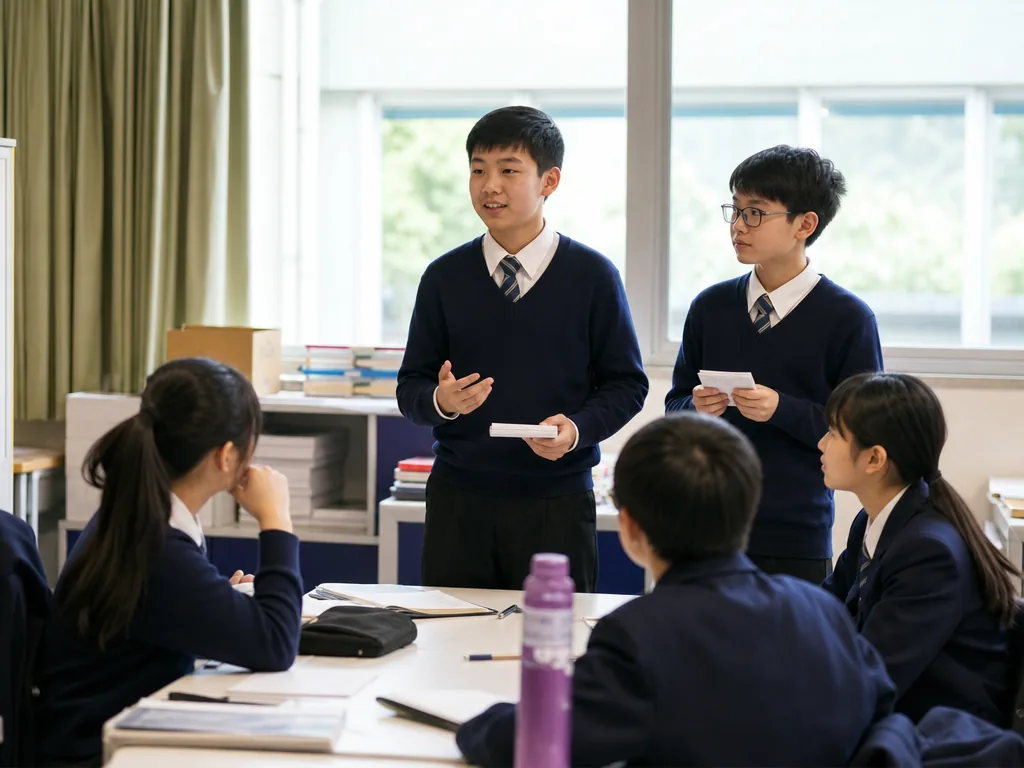
- Debate Competitions: Participation in debates is an essential component of assessment. Students are evaluated based on their argumentation skills, ability to respond to opposing viewpoints, and teamwork.
- Written Assignments: Students may also be asked to submit written speeches, debate notes, or argumentation papers, where they demonstrate their ability to craft structured and persuasive content.
- Peer and Teacher Feedback: Regular feedback from peers and teachers helps students improve their speaking and debating skills. Peer evaluations foster a collaborative learning environment.
Skills Developed Through Debate and Public Speaking
The Junior Secondary Debate and Public Speaking curriculum aims to equip students with a range of valuable skills that go beyond public speaking and debate.
- Effective Communication: Students learn to express themselves clearly, whether speaking to an audience or engaging in discussions with peers.
- Critical Thinking: The curriculum promotes the development of analytical skills, teaching students to evaluate information, make informed decisions, and construct logical arguments.
- Confidence: Through regular speaking opportunities and feedback, students gain the confidence to express their ideas in public and handle the pressures of speaking before an audience.
- Persuasion: Students develop the ability to persuade and influence others by using well-structured arguments and understanding their audience’s values and perspectives.
- Teamwork: In team debates, students learn to work collaboratively, share responsibilities, and support each other’s arguments, which builds essential interpersonal and cooperative skills.
Challenges and Tips for Success
While the Debate and Public Speaking curriculum is rewarding, students may face certain challenges, especially when it comes to overcoming nervousness or developing complex arguments. However, with dedication and practice, these challenges can be overcome.
Common Challenges
- Overcoming Nervousness: Many students struggle with anxiety when speaking in front of an audience.
- Complex Argumentation: Crafting sophisticated and well-reasoned arguments can be challenging, especially for beginners.
- Engaging the Audience: Learning how to keep an audience engaged while delivering a speech or participating in a debate takes time and practice.
Tips for Success
- Practice Regularly: The more you practice speaking and debating, the more comfortable you will become. Start with small groups and gradually work up to larger audiences.
- Focus on Structure: Both speeches and debates require a clear structure. Always begin with a strong introduction, followed by logically organized points, and end with a compelling conclusion.
- Listen Actively: In debates, listening carefully to your opponent’s arguments is just as important as presenting your own. Active listening helps you craft stronger rebuttals.
- Use Visual Aids: Enhance your presentations by using visuals like slides, charts, or props to reinforce your points and engage your audience.
- Seek Feedback: Take advantage of peer and teacher feedback to continuously improve your speaking and debating skills.
Conclusion
The Hong Kong Junior Secondary Debate and Public Speaking curriculum is designed to foster essential communication, critical thinking, and persuasion skills that will benefit students throughout their academic careers and beyond. Whether you are aiming to participate in competitions or simply improve your speaking abilities, the skills gained through this curriculum are invaluable.
Debating and public speaking go far beyond the classroom — they are life skills that empower students to voice their opinions, influence others, and contribute to meaningful discussions.
Frequently Asked Questions (FAQ)
Q: Which school years does the Junior Secondary Debate and Public Speaking curriculum cover?
It covers Form 1 to Form 3 (roughly Grade 7 to Grade 9), building from public speaking fundamentals and basic debate structures up to advanced techniques, cross-examination, and competition preparation.
Q: How are students assessed in this subject?
Assessment combines ongoing and formal evaluations, including oral presentations, participation in debate competitions, written assignments such as speeches and argumentation papers, and regular peer and teacher feedback.
Q: What debate formats will students learn?
Students are introduced to several formats, including Parliamentary Debate and Lincoln-Douglas Debate in Form 2, and team debates with cross-examination and strategic argumentation in Form 3.
Q: How can a student overcome nervousness when speaking in public?
Practice regularly, starting with small groups and building up to larger audiences; focus on clear structure (a strong introduction, logically ordered points, and a compelling conclusion); listen actively in debates; and seek peer and teacher feedback to improve continuously.
Further Resources & Next Steps
- Official Resources——Hong Kong Education Bureau (EDB); visit www.edb.gov.hk for official curriculum details.
- Further Reading——Guides on debate formats such as Parliamentary Debate and Lincoln-Douglas Debate, plus rhetorical techniques (ethos, pathos, and logos).
- Parent Tips——Encourage regular practice at home: have your child deliver short speeches to family and offer gentle, constructive feedback to build confidence.
Note: The information above is for reference only. Please consult professional education institutions for details.
This article was initially drafted and organised with AI. Editor / Professor Chan Kwok-wai; Managing Editor / Kong Yee-leung
Act Now: Find a Tutor / Register as a Tutor
For parents & students: looking for a home or online tutor for this subject? Click the button below to post a free tuition case (subject, level and preferred time) — TutorZone will match you with suitable tutors:
For tutors: do you teach this subject? Click the button below to register for free and receive more suitable cases — you pay only when a match is made: