 Chinese (Traditional)
 Chinese (Simplified)
 English



What Do Students Learn in Chinese Classes at Hong Kong International Primary Schools?
TUTORZONE SUBJECT GUIDE · INTERNATIONAL PRIMARY SCHOOL
Chinese classes at Hong Kong’s international primary schools build far more than vocabulary—they weave together reading, writing, grammar, speaking, and culture so that every learner, whatever their starting point, gains real fluency and confidence. Here is a clear, step-by-step look at what students actually learn in these Chinese programs.
Direct Answer:What do students learn in Chinese classes at Hong Kong international primary schools?
Chinese classes build reading, writing, grammar, speaking, and culture so every learner gains real fluency and confidence.
Why Chinese Matters at International Primary Schools
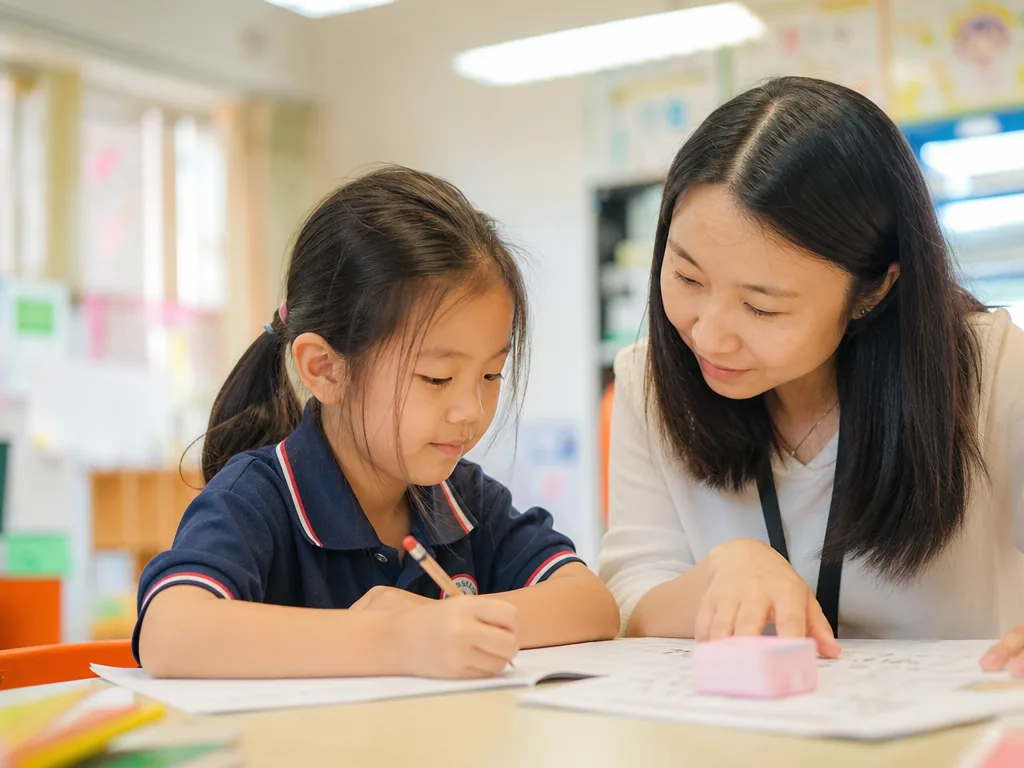
As more families choose to enroll their children in international schools in Hong Kong, Chinese language education has become a key area of concern—especially for students from diverse linguistic backgrounds. Balancing Chinese learning with other academic subjects can be challenging, but most international schools in Hong Kong design their primary Chinese curriculum to enhance language skills while nurturing cultural understanding. So, what exactly do students learn in these Chinese programs? Let’s take a closer look.
Chinese Reading: Building a Strong Language Foundation
Reading forms the cornerstone of Chinese learning in the early years. It helps students expand their vocabulary and strengthen their comprehension abilities. Primary students are exposed to a wide variety of texts—from simple storybooks and fairy tales to prose, short passages, and even poems.
- Story comprehension and analysis: Students are guided to identify the main theme, characters, and plot of a story, and analyze the structure and underlying messages.
- Vocabulary building: Each reading piece introduces new words and idioms, allowing students to gradually accumulate vocabulary and learn how to use it in real-life communication.
- Interpreting deeper meanings: As their proficiency improves, students are challenged with more complex texts that require them to interpret implied meanings and emotional undertones.
Chinese Writing: From Basics to Creative Expression
Writing is a vital aspect of Chinese learning, enabling students to express ideas and develop creative thinking. Writing classes help students build skills in organizing content clearly and using accurate language.
- Basic writing techniques: Students start with simple sentence structures, gradually moving toward paragraph and essay writing. They learn to express opinions and write diaries, short reports, and descriptive texts.
- Creative writing: Students are encouraged to write their own stories, which fosters imagination and helps them develop flexibility and creativity in language use. Teachers guide students through plot development, character creation, and emotional expression.
- Functional writing: As they progress, students also learn how to write letters, notices, and invitations, giving them the tools to use Chinese appropriately in different real-world situations.
Chinese Grammar and Sentence Patterns: Laying the Structural Groundwork
A solid grasp of grammar and sentence structures is essential for clear communication. Chinese classes in international schools provide instruction on foundational grammar rules and sentence forms.
- Simple and compound sentences: Students begin with simple sentences and then move on to more complex structures, improving their ability to construct clear and coherent expressions.
- Tone and rhetorical devices: Students learn to use interrogative, imperative, and exclamatory sentences to convey different emotions. Basic rhetorical tools such as metaphors, personification, and parallelism are introduced to make language richer and more engaging.
- Word collocations: Understanding common word pairings and phrases helps students sound more natural and expressive in Chinese.
Oral Communication: Speaking Chinese with Confidence
Oral expression is another essential part of the Chinese curriculum. Through interactive activities, students are given ample opportunities to practice speaking Chinese in real-life scenarios.
- Daily conversation: Students learn how to greet others, introduce themselves, make requests, and show appreciation—skills that help them navigate everyday interactions in Chinese.
- Group discussions and presentations: As students grow older, they participate in group discussions and give presentations, enhancing their fluency and public speaking skills.
- Storytelling and role play: Students engage in storytelling or role-playing activities that foster emotional expression and make language use more dynamic and fun.
Chinese Culture: Bridging Language and Heritage
Learning Chinese goes beyond just the language—it includes understanding and appreciating Chinese culture. Many international schools integrate cultural content into Chinese lessons.
- Chinese history and traditions: Students explore stories from Chinese history, ancient civilizations, and major traditional festivals like Chinese New Year and the Mid-Autumn Festival. They learn about the customs and meanings behind these events, helping them connect more deeply with the language.
- Classical literature and poetry: Students are introduced to famous literary works and classical poetry. Learning traditional quotes and phrases not only enhances language proficiency but also nurtures a love for Chinese culture.
Differentiated Learning: Supporting Diverse Language Needs
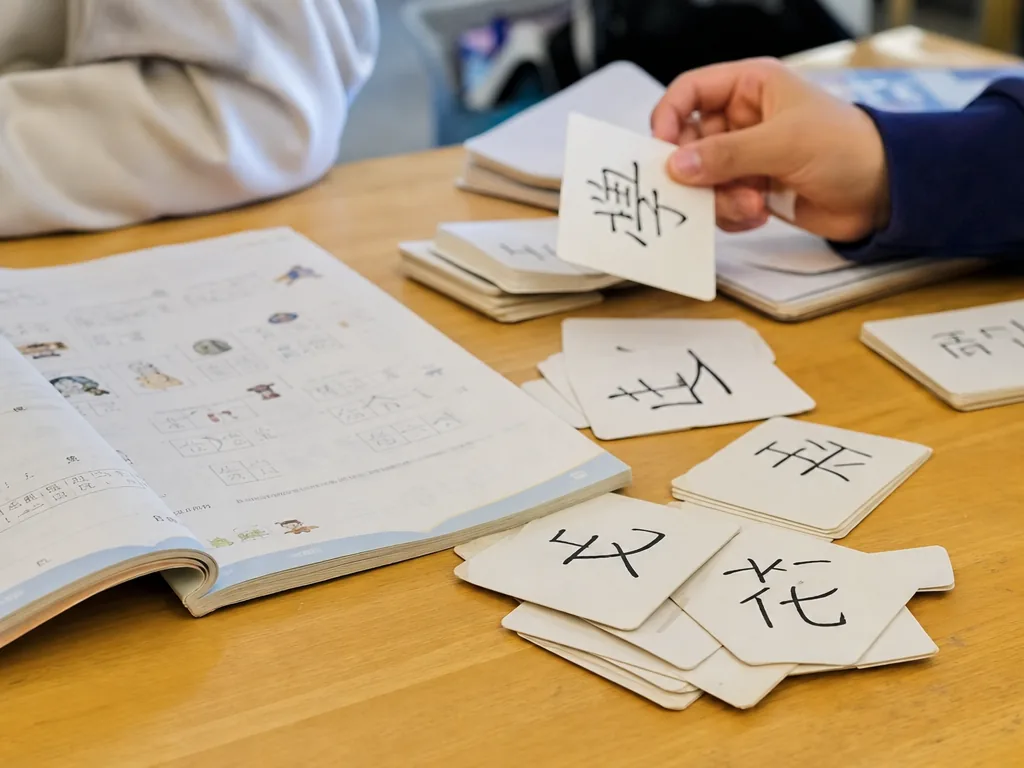
Given the diversity of students in international schools, Chinese programs are often tailored to different language backgrounds. Schools usually group students based on their proficiency and offer targeted support.
- Tiered instruction: Many schools offer different levels of Chinese classes—often categorized as “native Chinese” and “non-native Chinese.” This ensures that all students, regardless of their starting point, are challenged appropriately and able to progress effectively.
A Balanced Path Forward
Overall, Chinese classes in Hong Kong’s international primary schools are thoughtfully designed to enhance both language skills and cultural understanding. Students develop balanced abilities in listening, speaking, reading, and writing, while gaining a deeper appreciation of Chinese history and heritage. For students from multilingual backgrounds, this approach not only boosts their language proficiency but also helps them thrive in Hong Kong’s multicultural environment. If you’re looking for a Chinese curriculum that emphasizes both language and culture, international schools in Hong Kong offer a compelling option.
Frequently Asked Questions (FAQ)
Q: Are Chinese classes at Hong Kong international primary schools taught in Mandarin or Cantonese?
Most international schools teach Mandarin (Putonghua), though the spoken form and whether simplified or traditional characters are used vary by school. Check each school’s curriculum policy for its exact language stream.
Q: How are students with little or no prior Chinese supported?
Schools typically use tiered instruction, often grouping students into “native Chinese” and “non-native Chinese” streams so that beginners receive targeted listening, speaking, and reading support before progressing.
Q: Does the Chinese curriculum include culture as well as language?
Yes. Alongside reading, writing, grammar, and oral skills, lessons frequently integrate Chinese history, traditional festivals such as Chinese New Year and the Mid-Autumn Festival, and classical literature and poetry.
Q: Will my child reach the same level as a student in a local school?
International school programs are usually less intensive than local school Chinese, but they aim for practical fluency and cultural appreciation. Differentiated streams help each student progress at an appropriate, achievable pace.
Further Resources & Next Steps
- Official Resources—Consult the Education Bureau (EDB) of Hong Kong for curriculum guidance and school information on Chinese language programmes.
- Further Reading—Explore graded Chinese readers, bilingual storybooks, and classical poetry collections to reinforce classroom learning at home.
- Parent Tips—Read Chinese picture books together, celebrate festivals like Chinese New Year and the Mid-Autumn Festival, and encourage simple daily conversations in Chinese.
Note: The information above is for reference only. Please consult professional education institutions for details.
This article was initially drafted and organised with AI. Editor / Professor Chan Kwok-wai; Managing Editor / Kong Yee-leung
Act Now: Find a Tutor / Register as a Tutor
For parents & students: looking for a home or online tutor for this subject? Click the button below to post a free tuition case (subject, level and preferred time) — TutorZone will match you with suitable tutors:
For tutors: do you teach this subject? Click the button below to register for free and receive more suitable cases — you pay only when a match is made: