
 Chinese (Traditional)
 Chinese (Simplified)
 English



English Language & Literature in Hong Kong International School Junior Secondary: A Complete Overview
TUTORZONE SUBJECT GUIDE · INTERNATIONAL PRIMARY SCHOOL
As students enter junior secondary (Years 7–9) in Hong Kong’s international schools, English Language and Literature becomes a foundational subject that supports their transition to IGCSE and IB programs. The curriculum emphasizes both language proficiency and literary appreciation, developing students’ reading depth, writing skills, and critical thinking.
Direct Answer:What does English Language & Literature involve in Hong Kong international schools?
English Language and Literature in Years 7–9 supports the transition to IGCSE and IB programs, emphasizing language proficiency and literary analysis.
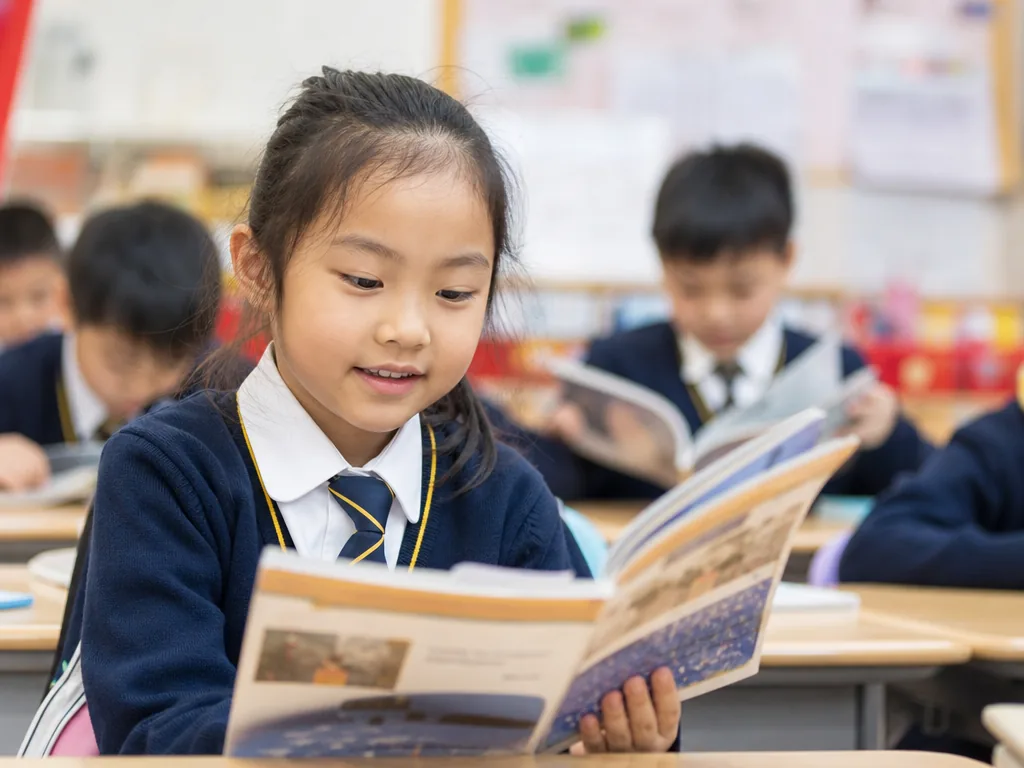
Curriculum Focus and Key Features
The junior secondary English curriculum in international schools blends language mechanics with literature, helping students grow into confident, analytical, and expressive English users.
Balanced Focus on Language and Literature
Grammar, writing, and reading from both classic and modern texts.
Diverse, Cross-Cultural Literary Selections
Works from British, American, Asian, and African writers.
Critical Thinking and Creativity
Encouraging independent perspectives and imaginative expression.
Inquiry-Based Learning
Thematic units combining reading and writing projects.
Confident English students are not born — they are built through consistent reading, structured writing, and honest discussion.
Curriculum Structure (Years 7–9)
| Year Level | Unit Theme | Key Learning Areas |
|---|---|---|
| Year 7 | Narrative & Descriptive Writing | Novel reading, character study, setting development, creative storytelling |
| Year 8 | Poetry & Drama | Poetic rhythm and figurative language, introduction to Shakespeare (e.g., A Midsummer Night’s Dream) |
| Year 9 | Argumentative & Non-Fiction Texts | Editorial analysis, speech writing, report writing, comparing tone and viewpoint |
Sample Teaching Texts
- Classic Novels——Of Mice and Men, Animal Farm, The Giver
- Modern Poetry——Maya Angelou, Carol Ann Duffy
- Drama——Shakespeare, Susan Hill
- Non-Fiction——Speeches (e.g., Malala), news editorials, TED Talk excerpts
Assessment Components
| Assessment Area | Weighting | Description |
|---|---|---|
| Reading & Literary Analysis | 30% | Analyzing characters, themes, language features (e.g., symbolism, metaphor) |
| Writing Tasks (Narrative/Argumentative) | 30% | Includes narratives, essays, commentaries, rewrites or creative extensions |
| Speaking & Listening | 20% | Speeches, role-play, group discussions, spontaneous response drills |
| Inquiry Projects & Class Engagement | 20% | Group presentations, debates, literary magazine design, character interview writing |
Effective Learning Strategies
Reading Analysis Tools
PEEL Paragraph Structure
- Point: Clear main idea
- Evidence: Quote from the text
- Explain: Analyze the effect
- Link: Connect back to theme or extend insight
Writing Development
- Narrative: Develop plot arcs, character motivation, vivid settings
- Argumentative: Clear thesis, strong examples, consistent tone, counterpoint inclusion
- Creative: Mimic author style, use figurative devices like metaphor and irony
Speaking & Listening Skills
- Three-Minute Speech Challenge: Express a view + respond to a counterpoint
- Audio Practice: Use podcasts or TED Talks to sharpen listening and mimic intonation
Common Challenges & Solutions
| Difficulty | Suggested Strategy |
|---|---|
| Superficial literary analysis | Create a “Language Techniques Notebook” with rhetorical device functions and sentence patterns |
| Weak persuasive writing | Practice the “Three-Point Persuasion” technique (claim + evidence + rebuttal) |
| Repetitive vocabulary | Learn 5 new precise verbs or descriptive adjectives weekly; organize by theme |
Extension Learning & Academic Pathways
Progression Courses
- IGCSE First Language English / Literature in English
- IB English A: Language & Literature (HL/SL)
- IB English B (for students learning English as a second language)
Recommended Activities & Platforms
- School Debate Team or Model United Nations (MUN)
- Online writing communities (e.g., Write the World)
- Drama performances and monologue reading competitions
Monthly Action Plan & Learning Tools
Monthly Tasks
- Read 1 English novel – record characters, themes, and language highlights
- Write 1 narrative + 1 argumentative short essay (~500 words each)
- Listen to 1 TED Talk – note key points and analyze speaker tone
Recommended Tools
| Category | Resource | Purpose |
|---|---|---|
| Vocabulary | Quizlet, Magoosh Vocabulary | Thematic vocabulary lists, phrase practice |
| Reading | CommonLit, Newsela | Leveled texts with critical thinking questions |
| Creative Writing | Write the World, Storybird | Writing community and story idea generators |
| Pronunciation | BBC Learning English, TED | British English practice, listening and speaking drills |
Frequently Asked Questions (FAQ)
Q: What is the difference between IGCSE and IB English for junior secondary students?
IGCSE First Language English and Literature in English are usually taken in Years 10–11 as two-year courses with externally set exams, while IB English A: Language & Literature is the two-year diploma course in Years 12–13 focused on literary and non-literary analysis. The Years 7–9 curriculum builds the reading, writing, and analytical foundations that lead into both pathways.
Q: How can my child improve literary analysis skills?
Encourage the PEEL paragraph structure — Point, Evidence, Explain, Link — and keep a “Language Techniques Notebook” that records rhetorical devices with example sentences. Discussing characters, themes, and language features after each chapter also helps.
Q: How much should a Year 7 student read each month?
A practical target is one English novel per month, recording characters, themes, and language highlights, alongside short articles or editorials. Pair this with one TED Talk per month to sharpen listening and tone analysis.
Q: What texts are commonly taught in Years 7–9?
Typical selections include classic novels such as Of Mice and Men, Animal Farm, and The Giver; modern poetry by Maya Angelou and Carol Ann Duffy; drama by Shakespeare and Susan Hill; plus non-fiction speeches and editorials.
Further Resources & Next Steps
- Official Resources——International Baccalaureate (ibo.org) and Cambridge Assessment International Education (cambridgeinternational.org) for English syllabuses.
- Further Reading——The Giver by Lois Lowry, Animal Farm by George Orwell, and Of Mice and Men by John Steinbeck.
- Parent Tips——Set aside 20–30 minutes of daily reading and discuss one theme or character each week to build analytical confidence.
Note: The information above is for reference only. Please consult professional education institutions for details.
This article was initially drafted and organised with AI. Editor / Professor Chan Kwok-wai; Managing Editor / Kong Yee-leung
Act Now: Find a Tutor / Register as a Tutor
For parents & students: looking for a home or online tutor for this subject? Click the button below to post a free tuition case (subject, level and preferred time) — TutorZone will match you with suitable tutors:
For tutors: do you teach this subject? Click the button below to register for free and receive more suitable cases — you pay only when a match is made:
