
 Chinese (Traditional)
 Chinese (Simplified)
 English



Overview of the Hong Kong Primary School Chinese Language Curriculum
@keyframes tzPulseO { 0%,100% { box-shadow: 0 0 0 0 rgba(255,140,0,.55); transform: scale(1); } 50% { box-shadow: 0 0 0 14px rgba(255,140,0,0); transform: scale(1.04); } }
@keyframes tzPulseN { 0%,100% { box-shadow: 0 0 0 0 rgba(2,30,64,.5); transform: scale(1); } 50% { box-shadow: 0 0 0 12px rgba(2,30,64,0); transform: scale(1.04); } }
.tz-blink-o { animation: tzPulseO 1.6s ease-in-out infinite; }
.tz-blink-n { animation: tzPulseN 1.6s ease-in-out infinite .35s; }
TUTORZONE SUBJECT GUIDE · chinese curriculum
Chinese Language is a core primary-school subject that develops listening, speaking, reading and writing — blending traditional and modern literacy with cultural understanding, critical thinking and communication skills to prepare students for secondary study and long-term mastery of written and spoken Chinese.
Direct Answer:What does the Hong Kong primary Chinese curriculum cover?
Chinese Language develops listening, speaking, reading, and writing, blending traditional and modern literacy with cultural understanding and criti。
chinese curriculum: Curriculum Objectives
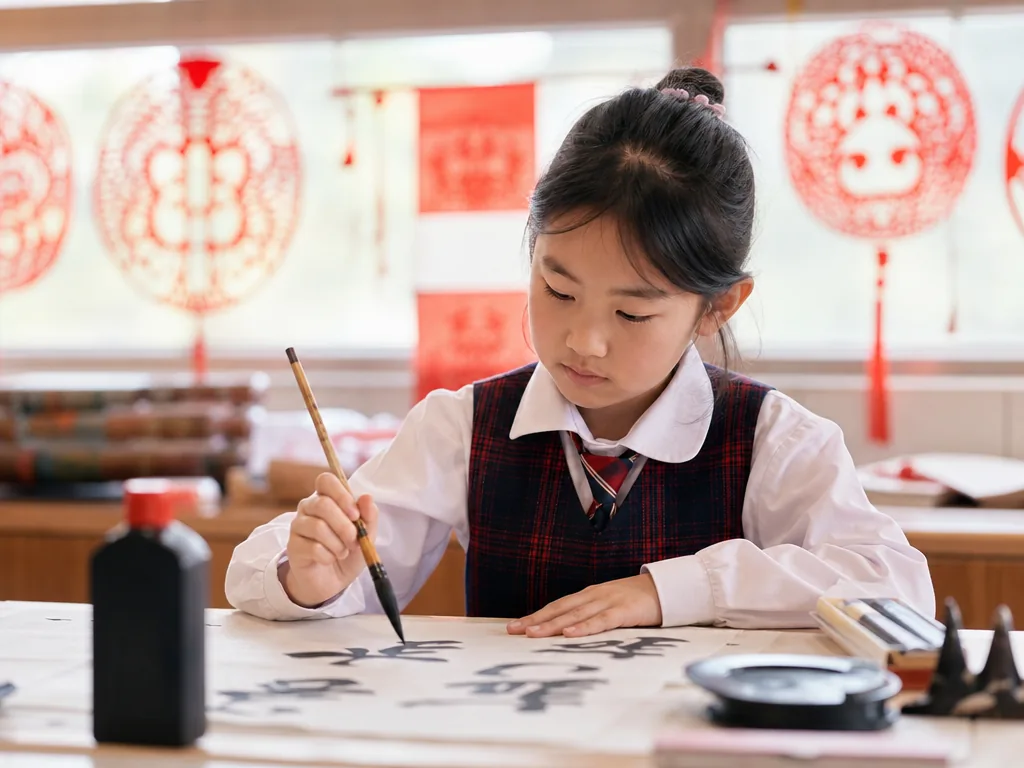
In Hong Kong primary schools, Chinese Language is a core subject aimed at developing students’ abilities in listening, speaking, reading, and writing Chinese. The curriculum blends traditional and modern literacy elements, with an emphasis on cultural understanding, critical thinking, and communication skills. It prepares students for secondary education and long-term proficiency in written and spoken Chinese.
The curriculum blends traditional and modern literacy elements — with an emphasis on cultural understanding, critical thinking and communication skills.
- Language Proficiency——Improve students’ ability to use standard written Chinese and communicate fluently in spoken Cantonese and Putonghua.
- Literacy Development——Encourage reading a wide range of Chinese texts, from classical stories to informational articles.
- Writing Skills——Train students to write various text types, such as narrative, descriptive, and practical writing.
- Cultural Awareness——Foster a strong sense of Chinese heritage, values, and traditions.
- Transition to Secondary School——Lay the foundation for success in the HKDSE Chinese Language exam in secondary school.
Curriculum Content: The Four Key Skills
Chinese Language education is structured around the Four Key Skills — Listening, Speaking, Reading, and Writing — integrated with grammar, vocabulary, and comprehension training.
Listening
Audio comprehension, stories, conversations and instructions.
Speaking
Oral practice, presentations, recitation and storytelling.
Reading
Classical stories, poems and informational texts.
Writing
Character writing through to full narrative essays.
Reading
- Text Types——Stories (fables, folk tales); poems and rhymes; informational texts (e.g., science, history).
- Reading Strategies——Skimming and scanning; identifying main ideas and supporting details; analysing the author’s purpose and tone.
Writing
- Lower Primary——Character writing; sentence construction; short paragraphs.
- Upper Primary——Picture-based compositions; diary entries and letters; basic narrative and descriptive essays.
Listening
- Audio-based comprehension exercises.
- Listening to stories, conversations, and instructions.
- Distinguishing tones and word meanings.
Speaking
- Oral Practice——Role plays and dialogues; group discussions and interviews.
- Presentation Training——Recitation and storytelling; short speeches on familiar topics.
Grammar & Vocabulary
- Common sentence structures.
- Use of punctuation and idioms.
- Weekly vocabulary lists and usage practice.
Medium of Instruction
- Most schools teach the Chinese Language subject in spoken Cantonese with written standard Chinese (Modern Standard Written Chinese).
- Some schools adopt Putonghua as the medium of instruction (PMIC) for Chinese lessons, especially in early grades.
- Teaching is conducted using a balanced approach combining explanation, reading aloud, group interaction, and multimedia aids.
Assessment Methods
School-Based Assessment
- Quizzes, Tests & Examinations——Reading comprehension; writing tasks (e.g., essays, letters); dictation and vocabulary; speaking assessments (e.g., oral reading, storytelling).
- Continuous Assessment——Project-based learning; class participation and homework performance.
Territory-Wide Assessment
- TSA (Territory-wide System Assessment) in Primary 3 and Primary 6 to evaluate Chinese language proficiency.
- Some schools may offer enrichment programs or additional assessments for advanced learners.
Learning Materials & Resources
Textbooks
Approved by the Education Bureau, including series such as:
- “Modern Chinese Language” (Xiandai Zhongguo Yuwen).
- “Newly Compiled Kaisi Chinese Language” (Xinbian Qisi Zhongguo Yuwen).
- “Lok Si Chinese” (Lesi Zhongwen).
Supplementary Resources
- Reading booklets (graded readers).
- Writing exercise books.
- Online tools (e.g., eClass, EVIU).
- Chinese dictionary apps and writing stroke tools.
Bridging to Secondary Education
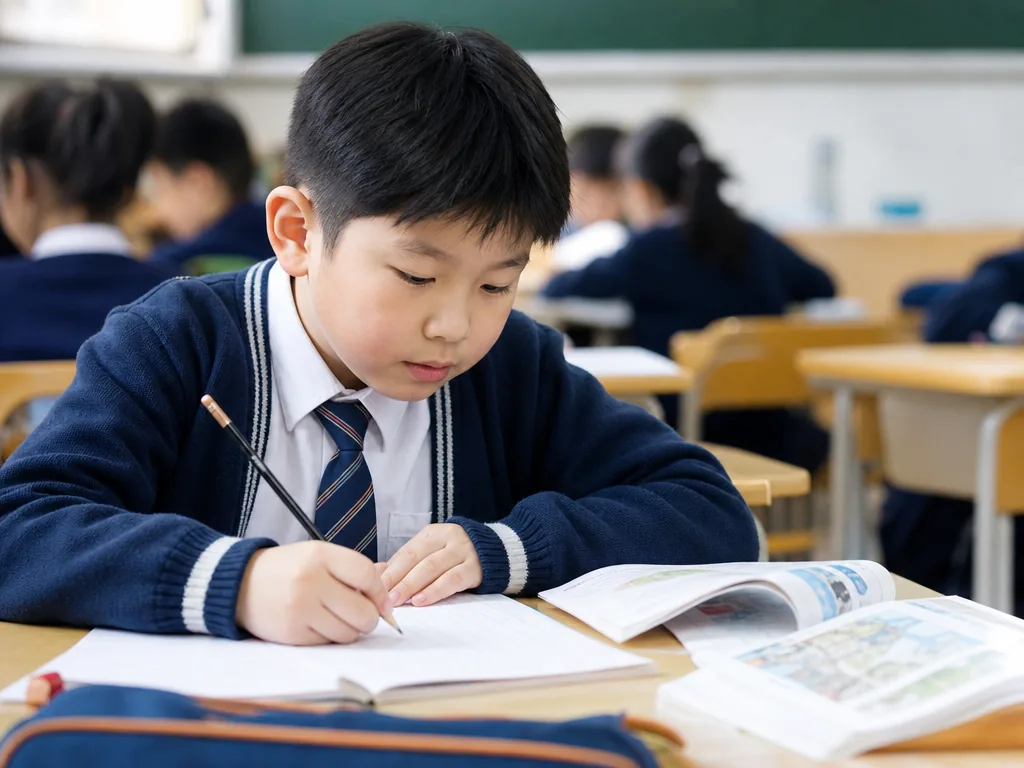
The primary Chinese Language curriculum prepares students for the demands of secondary school, which includes:
- Classical Chinese (wenyanwen) appreciation and analysis.
- Argumentative and analytical writing.
- Critical reading of essays, prose, and news articles.
Current Reforms and Challenges
Emphasis on Literacy and Thinking Skills
- Focus on cultivating reading comprehension and reasoning abilities.
- Introduction of creative writing workshops in some schools.
Language Medium Debate
- Ongoing discussions on the effectiveness of Putonghua vs. Cantonese as the teaching medium.
- Parental concerns over children’s fluency and identity.
Learning Gaps and Support
- Private Chinese tutoring is common, especially among students from non-Chinese-speaking families or homes with limited language input.
- Online learning platforms are increasingly used to support reading and writing practice at home.
Frequently Asked Questions (FAQ)
Q: Is Chinese Language taught in Cantonese or Putonghua?
Most schools teach the subject in spoken Cantonese with written Modern Standard Chinese, while some adopt Putonghua as the medium of instruction (PMIC), especially in the early grades.
Q: How are students assessed in primary Chinese?
Through regular school-based assessments — quizzes, tests and examinations covering reading, writing, dictation and speaking — together with continuous assessment and the Territory-wide System Assessment (TSA) in Primary 3 and Primary 6.
Q: How can parents support Chinese learning at home?
Graded reading booklets, Chinese dictionary apps and writing stroke tools all help; online platforms increasingly support reading and writing practice, and private tutoring is common for families with limited language input at home.
Q: How does primary Chinese prepare students for secondary school?
It builds towards classical Chinese appreciation, argumentative and analytical writing, and critical reading of essays, prose and news articles — the foundation for success in the HKDSE Chinese Language exam.
Further Resources & Next Steps
- Official Resources——The Education Bureau website (www.edb.gov.hk) for the latest curriculum details and approved textbook lists.
- Further Reading——Classical stories, graded readers and informational articles to broaden reading exposure.
- Parent Tips——Daily reading aloud, dictionary apps and consistent character-writing practice build fluency at home.
Note: The information above is for reference only. Please consult professional education institutions for details.
This article was initially drafted and organised with AI. Editor / Professor Chan Kwok-wai; Managing Editor / Kong Yee-leung
Act Now: Find a Tutor / Register as a Tutor
For parents & students: looking for a home or online tutor for this subject? Click the button below to post a free tuition case (subject, level and preferred time) — TutorZone will match you with suitable tutors:
For tutors: do you teach this subject? Click the button below to register for free and receive more suitable cases — you pay only when a match is made:
