
 Chinese (Traditional)
 Chinese (Simplified)
 English



Phonics in Hong Kong Primary Schools
TUTORZONE SUBJECT GUIDE · LOCAL PRIMARY SCHOOL
Phonics connects letters to their sounds, giving children the decoding tools they need to read, spell and pronounce English with confidence. This guide walks parents through what phonics is, why it matters in Hong Kong primary schools and how to practise it at home.
Direct Answer:What is phonics in Hong Kong primary schools?
Phonics connects letters to sounds, giving children decoding tools to read, spell, and pronounce English confidently.
What Is Phonics?
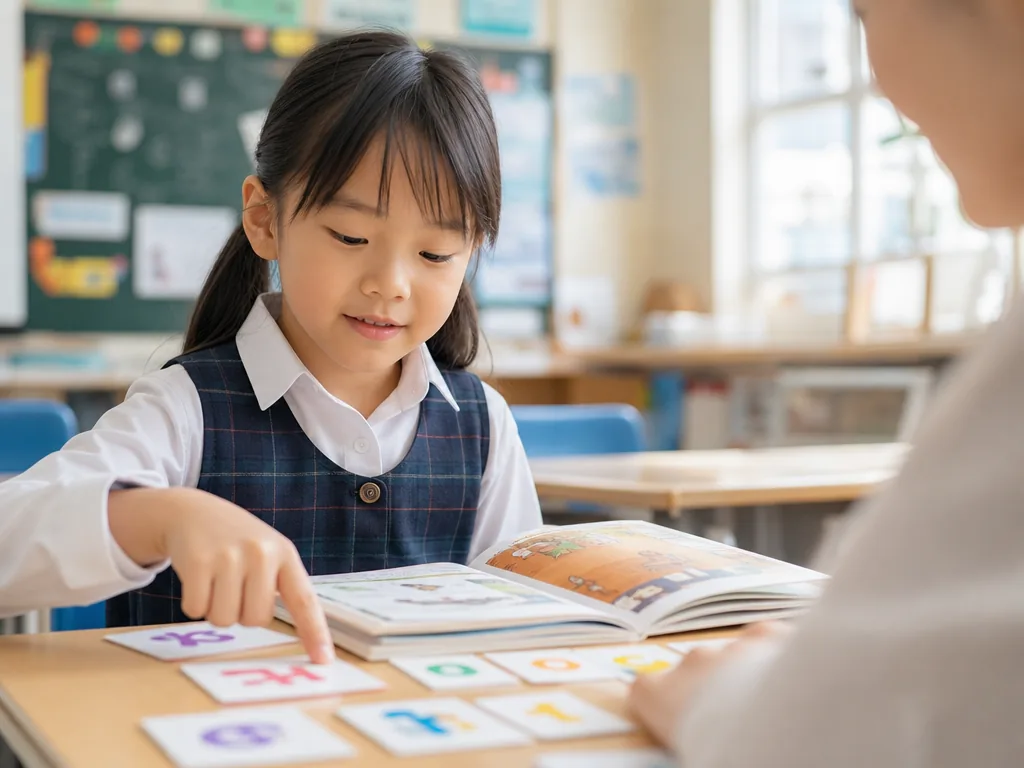
Phonics is a teaching method that helps children learn English by connecting letters to their corresponding sounds. It focuses on teaching the relationship between letters and sounds to enable students to decode new words and improve their reading and pronunciation skills.
Why Is Phonics Important in Hong Kong Primary Schools?
- Builds a strong foundation——for reading and spelling.
- Enhances listening and speaking skills——helping children hear and produce sounds accurately.
- Helps students tackle new vocabulary confidently——by sounding out unfamiliar words.
- Supports English language acquisition——especially for non-native speakers.
Core Elements of the Phonics Curriculum in Hong Kong
Letter-Sound Correspondence
Teaching each letter’s sound (both vowels and consonants), including short and long vowel sounds.
Blending and Segmenting
- Blending: combining individual sounds to form words (e.g., c-a-t → cat)
- Segmenting: breaking words down into individual sounds for spelling
Digraphs and Trigraphs
Learning combinations of letters that make one sound, such as digraphs (sh, ch, th, wh) and trigraphs (igh, ear, air).
Sight Words Recognition
Familiarising students with common English words that may not follow standard phonics rules (e.g., the, said, some).
Phonics Teaching Methods in Hong Kong Primary Schools
- Multi-sensory learning——using visual, auditory and kinesthetic activities.
- Games and songs——reinforcing phonics sounds and blending in a fun way.
- Story reading and practice——applying phonics knowledge to read simple texts.
- Worksheets and drills——practising sound-letter matching and word formation.
Benefits of Learning Phonics for Primary Students
Reading Fluency
Improves reading fluency and comprehension.
Spelling & Writing
Strengthens spelling and writing skills.
Confidence
Boosts confidence in English communication.
Independent Reading
Facilitates independent reading habits.
How Parents Can Support Phonics Learning at Home
- Practise daily——review letter sounds every day with flashcards.
- Read together——share phonics-based books to reinforce decoding.
- Sing along——use phonics songs and rhymes to make sounds stick.
- Go digital——try online phonics apps and interactive games such as “ABCmouse” and “Starfall”.
- Write it out——encourage writing simple words using phonics knowledge.

Recommended Phonics Resources in Hong Kong
- Hong Kong Education Bureau——phonics guidelines for local schools.
- Local bookstores——offering a wide range of phonics readers.
- English tutoring centres——specialising in phonics instruction.
- Online phonics programmes——tailored for Hong Kong learners.
Conclusion
Phonics is a key component of English language learning in Hong Kong primary schools. By mastering phonics, students gain the essential tools for successful reading and pronunciation, laying a strong groundwork for their future English studies.
Note: For detailed phonics curriculum and teaching materials, please visit the Hong Kong Education Bureau website: www.edb.gov.hk
Frequently Asked Questions (FAQ)
Q: At what age should my child start learning phonics?
Most Hong Kong children begin systematic phonics in K2–K3 or early primary school, once they can recognise letters and have some listening vocabulary. Short, playful daily sessions work better than long drills.
Q: How is phonics different from memorising whole words?
Phonics teaches children to decode words by sounding out letter combinations, so they can read unfamiliar words independently. Memorising whole words only covers the words a child has been taught.
Q: How much time should my child practise phonics each day?
About 10–15 minutes a day is plenty for young learners. Consistency matters more than length — a short daily routine with flashcards, songs or a phonics book is highly effective.
Q: What if my child struggles with blending sounds?
Slow down and go back to single letter sounds, then model blending aloud with simple CVC words such as c-a-t. Multi-sensory activities and praise for small wins help build confidence.
Further Resources & Next Steps
- Official Resources——Hong Kong Education Bureau (www.edb.gov.hk) for phonics curriculum guidelines and teaching materials.
- Further Reading——phonics-based readers and programmes such as “ABCmouse” and “Starfall”.
- Parent Tips——practise letter sounds daily with flashcards, read phonics books together and sing phonics songs.
Note: The information above is for reference only. Please consult professional education institutions for details.
This article was initially drafted and organised with AI. Editor / Professor Chan Kwok-wai; Managing Editor / Kong Yee-leung
Act Now: Find a Tutor / Register as a Tutor
For parents & students: looking for a home or online tutor for this subject? Click the button below to post a free tuition case (subject, level and preferred time) — TutorZone will match you with suitable tutors:
For tutors: do you teach this subject? Click the button below to register for free and receive more suitable cases — you pay only when a match is made: