
 Chinese (Traditional)
 Chinese (Simplified)
 English



What Is Covered in the A-level Design & Technology Curriculum?
TUTORZONE SUBJECT GUIDE · A-LEVELS
The A-level Design & Technology syllabus blends theoretical understanding with hands-on making. It covers concept development, engineering drawings, material science, prototyping, and product evaluation — with a strong focus on problem-solving, critical thinking, and creative innovation.
Direct Answer:What is covered in A-level Design and Technology?
It covers concept development, engineering drawings, material science, prototyping, and product evaluation, emphasizing problem-solving, critical t。
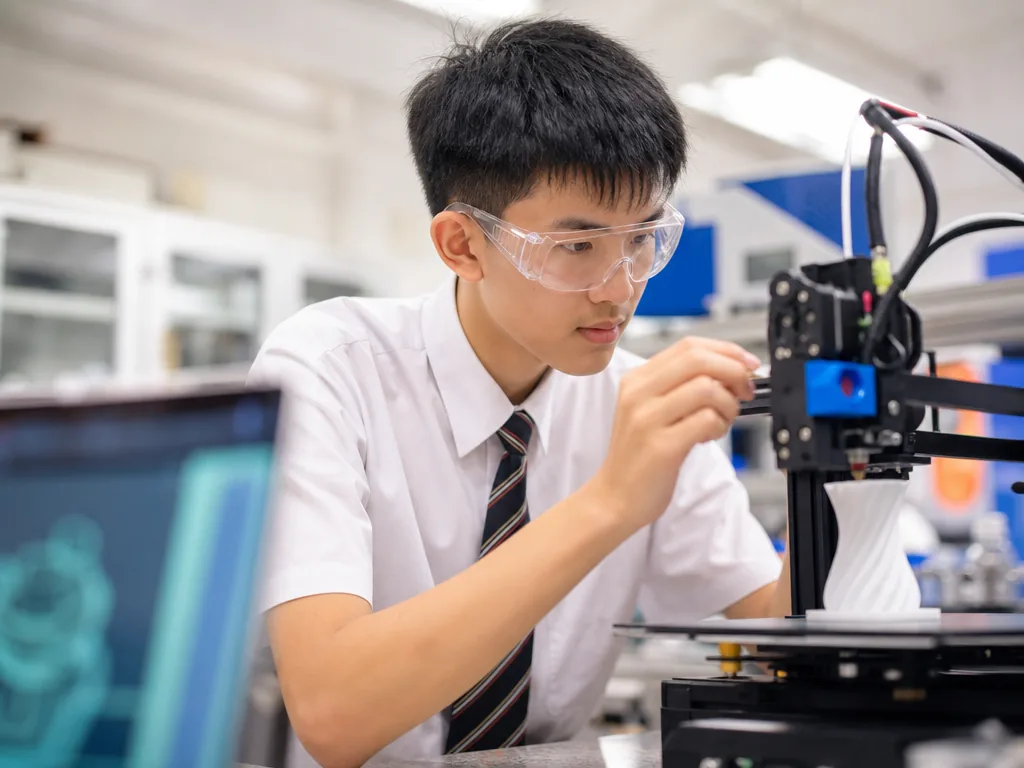
Design and Making Process
At the heart of the course is the design and making process, which guides students through every stage of product development:
- Problem Identification & Needs Analysis——Students learn how to define a design brief by analyzing user needs, market demand, and design challenges.
- Concept Generation & Brainstorming——Through sketching, brainstorming, and rapid prototyping, students develop and evaluate creative ideas.
- Product Development & Refinement——Students refine their concepts by selecting suitable materials and manufacturing methods, iterating until the optimal solution is reached.
- Prototyping & Testing——Final prototypes are built and tested for functionality and user feedback, forming the basis for further improvements.
Materials and Manufacturing Technologies
Understanding materials and production techniques is essential in D&T:
- Material Science——Students study the properties and applications of common materials such as wood, metals, plastics, glass, and ceramics — including strength, elasticity, durability, and suitability in various contexts.
- Manufacturing Methods——Techniques like machining, CNC processing, welding, 3D printing, and assembly are taught, with a focus on efficiency, precision, and cost-effectiveness.
- Sustainable Design——The course encourages eco-conscious thinking, teaching students to select sustainable materials and processes to minimize waste and support environmental responsibility.
Digital Technologies and Innovation
Digital tools are transforming how products are designed and made:
- Computer-Aided Design (CAD)——Students use software such as AutoCAD or SolidWorks to create detailed design models and simulations.
- Computer-Aided Manufacturing (CAM)——Students learn how CAM works in tandem with CAD to control digital fabrication processes.
- Rapid Prototyping and 3D Printing——These technologies enable quick creation and iteration of physical models, accelerating the design feedback loop.
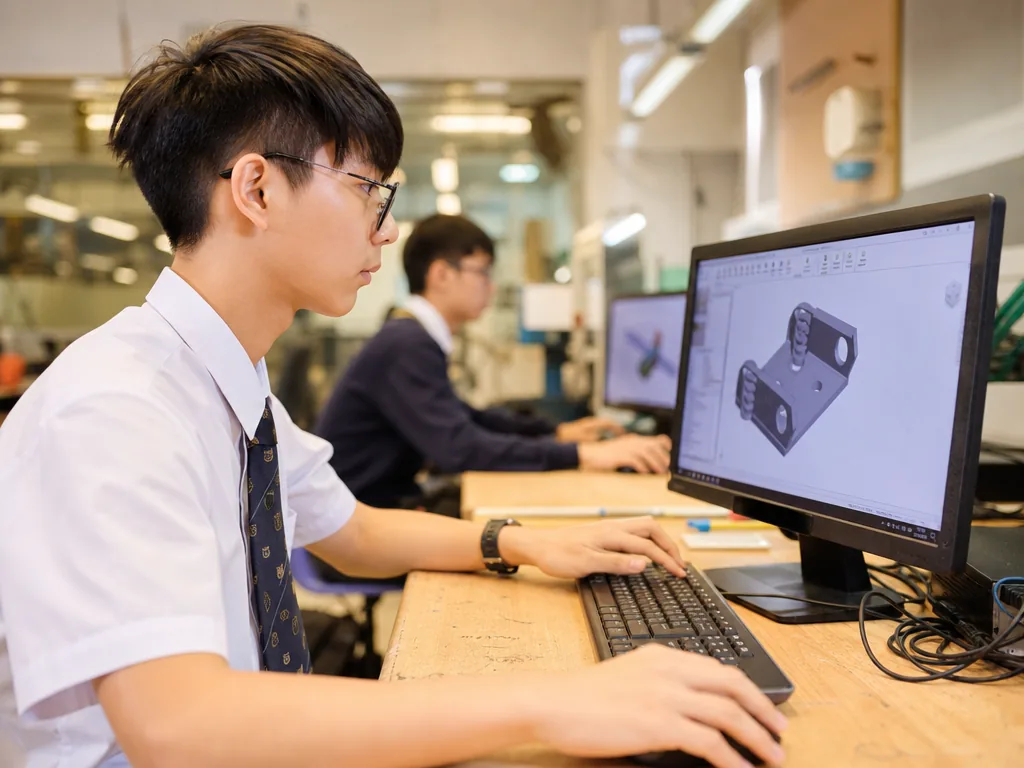
Design Theory and Analysis
To support practical work, the course includes theoretical frameworks and design principles:
- Core Design Principles——These include functionality, aesthetics, usability, ethics, and sustainability — helping students create well-rounded, user-centered designs.
- Ergonomics and User Experience——Students explore how products can be optimized for human interaction and comfort.
- Design Evaluation——Critical analysis of prototypes and testing outcomes helps students improve product functionality and user satisfaction.
Design & Technology in the Modern World
This section places design in a real-world and future-facing context:
- Emerging Technologies——The course explores trends such as smart products, IoT, AI, and wearable tech, emphasizing how these technologies are reshaping industries.
- Innovation & Entrepreneurship——Students are encouraged to explore how innovative design ideas can be commercialized, preparing them for business or startup ventures.
Key Learning Objectives of A-level Design & Technology
Students who complete the A-level D&T course will:
Design & Prototype
Gain hands-on experience in design and prototyping, from concept to final product.
Master Materials
Develop in-depth knowledge of materials and production techniques.
Use Digital Tools
Use digital tools like CAD/CAM and 3D printing to assist in product development.
Analyse & Improve
Build skills in critical analysis and iterative improvement of their designs.
Think Creatively
Foster creative and innovative thinking to develop practical, marketable solutions.
How Is A-level Design & Technology Assessed?
The assessment is a combination of practical work and theoretical exams:
- Design Project (NEA — Non-Exam Assessment)——Students complete a full design project, including research, concept sketches, prototyping, testing, and evaluation. This counts for a major portion of the final grade.
- Theory Exam——Covers key topics like materials, design theory, production methods, digital technologies, and innovations.
- Design Documentation——A detailed design portfolio is required, showing the design journey, rationale, testing, and final evaluation.
Career Pathways and Further Study
A-level Design & Technology offers broad career opportunities and university pathways:
- Product Designer——Designing consumer products, electronics, and furniture.
- Industrial Designer——Working in manufacturing and mass production.
- Engineer——Including mechanical, electrical, or systems engineering.
- Architect——Applying design and materials knowledge in built environments.
- Creative Technologist or Entrepreneur——Launching innovative products or startups.
This subject provides a valuable blend of creativity, technical skill, and real-world application, making it ideal for students aiming to become future innovators, designers, and engineers.
Frequently Asked Questions (FAQ)
Q: Do I need to be good at drawing to take A-level Design & Technology?
Not necessarily. The course develops sketching and CAD skills from scratch, and concept generation is as much about ideas and problem-solving as it is about artistic ability.
Q: How much of the final grade comes from the design project (NEA)?
The Non-Exam Assessment (NEA) design project counts for a major portion of the final grade, alongside a theory exam covering materials, design theory, production methods, digital technologies, and innovations.
Q: What digital tools will I use?
Students work with CAD software such as AutoCAD or SolidWorks, CAM systems, and rapid prototyping tools including 3D printing.
Q: What careers does this subject lead to?
Pathways include product designer, industrial designer, engineer, architect, and creative technologist or entrepreneur.
Further Resources & Next Steps
- Official Resources——Review your exam board’s A-level Design & Technology specification (e.g. AQA, Pearson Edexcel, or Cambridge International) for the full syllabus and assessment criteria.
- Further Reading——Books such as Don Norman’s “The Design of Everyday Things” offer a broader perspective on usability and human-centered design.
- Parent Tips——Encourage hands-on projects at home — simple model-building, tinkering with CAD software, or a makerspace visit can strengthen design thinking and technical confidence.
Note: The information above is for reference only. Please consult professional education institutions for details.
This article was initially drafted and organised with AI. Editor / Professor Chan Kwok-wai; Managing Editor / Kong Yee-leung
Act Now: Find a Tutor / Register as a Tutor
For parents & students: looking for a home or online tutor for this subject? Click the button below to post a free tuition case (subject, level and preferred time) — TutorZone will match you with suitable tutors:
For tutors: do you teach this subject? Click the button below to register for free and receive more suitable cases — you pay only when a match is made: