
 Chinese (Traditional)
 Chinese (Simplified)
 English



What Is A-level History? A Complete Guide for Students
TUTORZONE SUBJECT GUIDE · A-LEVELS
A-level History explores the events, ideas and people that shaped the modern world — while training students to analyse evidence, weigh competing interpretations, and build clear, well-supported arguments that universities and employers value.
Direct Answer:What is A-level History?
A-level History explores events, ideas, and people that shaped the modern world while training students to analyse evidence and build well-supporte。
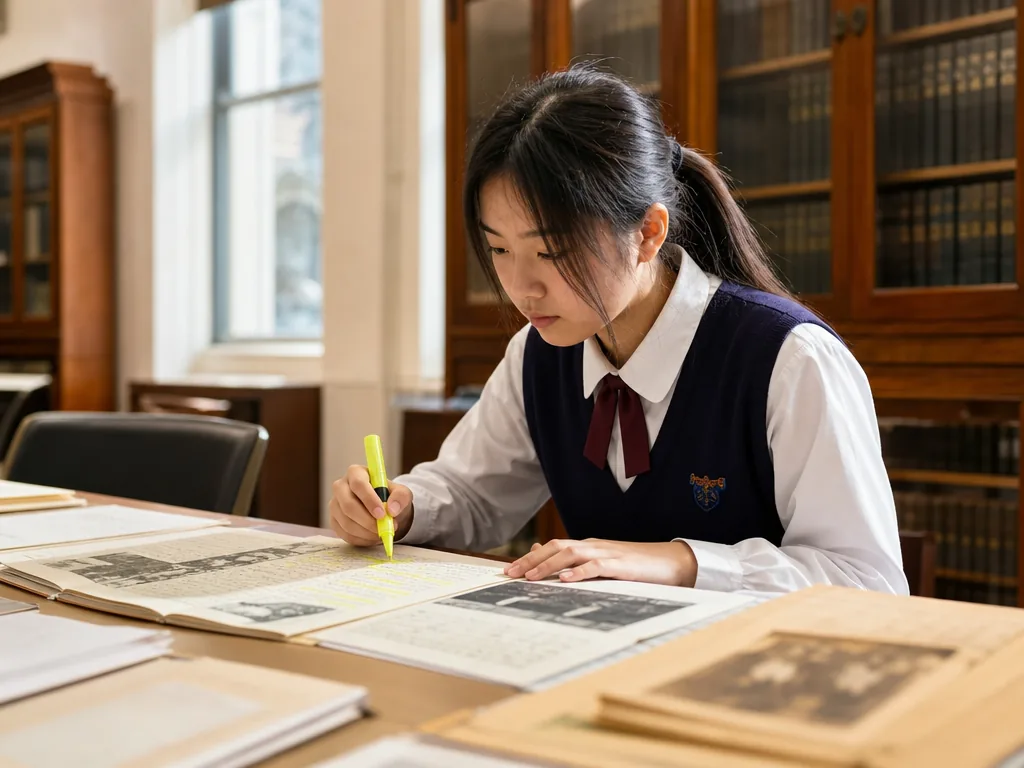
What Do You Study in A-level History?
The A-level History curriculum varies depending on the exam board (such as AQA, Edexcel, or OCR) and the school’s focus, but most programmes share common themes and structures.
Political and Diplomatic History
This section focuses on the development of political systems, international relations, and diplomatic strategies. Students explore how governments, ideologies, and political leaders shaped historical events.
Topics may include:
- British political history (e.g., the English Civil War, the Industrial Revolution, post-WWII Britain)
- Major global conflicts like World War I and II, and the Cold War
- The rise and fall of empires, and the impact of colonialism
Social and Economic History
Here, students examine how societal structures and economic changes influenced people’s lives and historical progress.
Common themes:
- The Industrial Revolution and its impact on urbanisation and the working class
- The Agricultural Revolution and the globalisation of trade
- Social inequality, class dynamics, and gender roles throughout history
Intellectual and Cultural History
This strand explores the power of ideas, philosophy, religion, literature, and art in shaping societies.
Key study areas:
- The Enlightenment and its influence on science, human rights, and modern democracy
- The Protestant Reformation and the Renaissance
- How literature, music, and the arts reflected and influenced cultural change
Historical Methods and Source Analysis
A-level History strongly emphasizes research skills and analytical thinking.
You will learn how to:
- Assess the reliability and bias of historical sources
- Understand how historians interpret the same event differently
- Construct well-reasoned historical arguments and write structured essays
Focused Study on Specific Periods and Themes
Students dive deeper into selected historical topics or periods. These can vary but often include:
- British History: such as medieval England, the Tudor Reformation, or the Victorian era
- European and global revolutions: like the French or Russian Revolutions
- War and conflict: causes, progress, and consequences of World Wars
- Contemporary topics: such as the Cold War, decolonisation, or the rise of modern China
Independent Research Project (NEA)
Many exam boards include a Non-Exam Assessment (NEA) or coursework component. This gives students the chance to choose a historical question or topic and conduct independent research, using primary and secondary sources.
This part of the course strengthens academic independence and builds valuable research skills, particularly for university preparation.
Key Learning Outcomes of A-level History
Studying A-level History equips students with a wide range of transferable skills:
Historical Understanding
Understanding historical development across different periods and regions.
Critical Thinking
Critical thinking and evaluation of diverse interpretations and sources.
Academic Writing
Academic writing proficiency, including essay structure, thesis development, and evidence-based argumentation.
Research & Source Analysis
Research and source analysis, including the use of letters, newspapers, government documents, and visuals.
How Is A-level History Assessed?
Assessment usually includes:
- Written Exams: Students answer source-based and essay questions covering key historical topics and interpretations.
- Independent Coursework (NEA): Students submit a research project, which is assessed on analysis, interpretation, structure, and use of evidence.
Career Prospects and University Pathways
A-level History provides an excellent foundation for higher education and diverse career paths. It is highly valued by top universities and employers for the critical thinking, analytical reasoning, and writing skills it develops.
Popular degree options include:
- History
- Law
- Politics
- International Relations
- Archaeology
- Journalism
Career paths may include:
- Teaching and academic research
- Law and public policy
- Journalism and media
- Museum and heritage work
- Diplomacy and international affairs

Conclusion: Why Choose A-level History?
A-level History is a rewarding and challenging subject that encourages intellectual curiosity and analytical thinking. Whether you’re passionate about the past or planning a career in law, politics, journalism, or education, this subject offers invaluable skills and insights.
By understanding historical change, evaluating complex evidence, and developing coherent arguments, students gain not only academic excellence but also a deeper appreciation for the world around them.
Looking for more A-level subject guides? Check out our blog for in-depth articles on A-level Psychology, A-level Politics, and other popular subjects.
Frequently Asked Questions (FAQ)
Q: Do I need to memorise lots of dates for A-level History?
Some factual knowledge is expected, but A-level History rewards analysis and evaluation of evidence far more than rote memorisation. Examiners look for well-reasoned arguments and the ability to weigh different interpretations.
Q: Which exam boards offer A-level History?
The main boards are AQA, Edexcel and OCR, each with slightly different topics and assessment structures, so check your school’s specification before you start.
Q: Is the NEA (coursework) compulsory?
Most boards include a Non-Exam Assessment (NEA) as part of the qualification, though its exact weighting varies between boards, so confirm the details with your chosen board.
Q: What subjects pair well with A-level History?
History combines well with English Literature, Politics, Economics, Languages and Law, and it supports applications to humanities, law and social science degrees.
Further Resources & Next Steps
- Official Resources——Consult the current specifications published by AQA, Edexcel and OCR for the full topic and assessment details.
- Further Reading——Start with E.H. Carr’s classic “What Is History?” for a clear introduction to historiography and interpretation.
- Parent Tips——Encourage wider reading and discuss current events at home to build the analytical habits that History rewards.
Note: The information above is for reference only. Please consult professional education institutions for details.
This article was initially drafted and organised with AI. Editor / Professor Chan Kwok-wai; Managing Editor / Kong Yee-leung
Act Now: Find a Tutor / Register as a Tutor
For parents & students: looking for a home or online tutor for this subject? Click the button below to post a free tuition case (subject, level and preferred time) — TutorZone will match you with suitable tutors:
For tutors: do you teach this subject? Click the button below to register for free and receive more suitable cases — you pay only when a match is made: