
 Chinese (Traditional)
 Chinese (Simplified)
 English



What Is GCE Art History? A Complete Guide for Students
TUTORZONE SUBJECT GUIDE · GCE
GCE Art History takes students through the development and critical analysis of visual art — painting, sculpture, architecture and design. Here is a complete guide to the curriculum, assessment, career pathways and what makes the subject worth studying.
Direct Answer:What is GCE Art History?
GCE Art History covers the development and critical analysis of visual art, including painting, sculpture, architecture, and design.
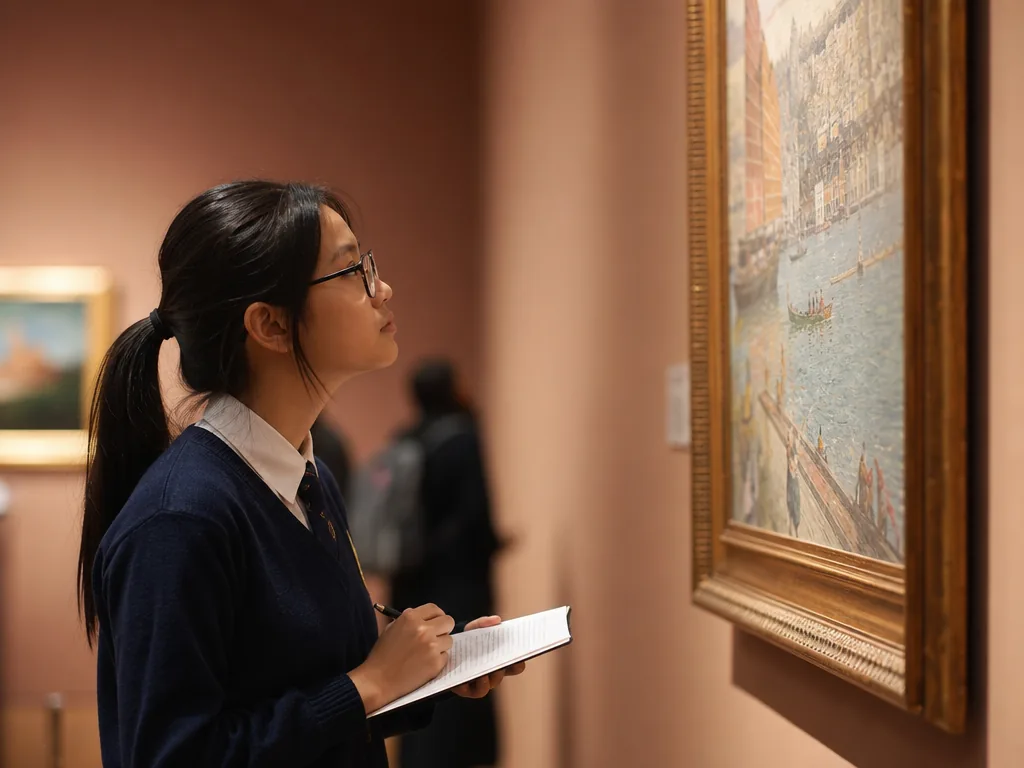
What Is GCE Art History?
GCE Art History is a subject offered under the General Certificate of Education (GCE) curriculum in the UK and many international schools. It focuses on the historical development and critical analysis of visual art forms, including painting, sculpture, architecture, and design. Ideal for students passionate about art and culture, this course builds a strong foundation in three key areas.
Visual Literacy
Learn to interpret artworks through formal, contextual and thematic analysis.
Cultural Understanding
Trace how art reflects social values, historical events and cultural ideologies.
Academic Analysis
Build the critical thinking and analytical writing skills that exams and coursework reward.
The GCE Art History Curriculum
GCE Art History provides students with a deep understanding of major art movements, artists, and their works across various historical periods and cultures.
1. Introduction to Art History
- Learn the fundamental concepts of art history, including art styles, techniques, and genres.
- Study major historical art movements such as the Renaissance, Baroque, and Modernism.
- Develop skills in interpreting artworks through formal, contextual, and thematic analysis.
2. Major Art Movements and Styles
- Ancient Art: Explore Greek and Roman art and architecture and their influence on Western art traditions.
- Renaissance Art: Study the works of Leonardo da Vinci, Michelangelo, and Raphael, and their cultural context.
- Baroque and Rococo Art: Analyze emotional expression and ornate styles of the 17th and 18th centuries.
- Modern and Contemporary Art: Trace developments from Impressionism to Cubism, Abstract Art, and current trends.
3. Artist and Artwork Analysis
- Examine the lives, methods, and contributions of key artists across eras.
- Conduct detailed analyses of iconic artworks, focusing on their creation, symbolism, and cultural relevance.
- Learn the academic vocabulary used in art criticism and interpretation.
4. Architecture and Spatial Arts
- Study the history and evolution of architecture, including styles like Gothic, Renaissance, Baroque, and Modernist.
- Learn to evaluate buildings based on their structure, design, and historical context.
5. Cross-Cultural Artistic Exchange
- Explore the interactions between different artistic traditions.
- Analyze the influence of Chinese, Indian, and Islamic art on Western art, and vice versa.
- Gain insights into global artistic dialogues and cultural hybridization.
Assessment Structure
Students are assessed through a combination of coursework and written exams, with a strong emphasis on analytical and critical thinking skills.
Coursework and Reports
- Students conduct independent research, write analytical reports, and critique artworks across different time periods.
Written Examinations
- Exams include multiple-choice, short-answer, and essay questions, assessing understanding of art movements, artists, and visual analysis techniques.
- Students must demonstrate deep knowledge and the ability to construct well-argued responses.
Why Study GCE Art History?
Develop Cultural Awareness
Explore how art reflects social values, historical events, and cultural ideologies, enhancing global cultural literacy.
Enhance Critical Thinking
Learn to interpret art from multiple perspectives and critique artistic intent, value, and societal impact.
Stimulate Creativity
Gain insight into the creative process and artistic expression, which supports careers in design, media, and the arts.
Interdisciplinary Knowledge
Art history connects with fields like history, philosophy, sociology, and cultural studies, improving overall academic versatility.

Career Pathways with GCE Art History
A qualification in GCE Art History is a strong foundation for careers in:
- Museums and galleries — curation, education, conservation.
- Art criticism and journalism — writing and commentary on the visual arts.
- Art market and auction houses — valuation, dealing and sales.
- Cultural heritage management — protecting and interpreting the built and artistic heritage.
- Art and design education — teaching the next generation of artists and historians.
- Creative industries and media — visual thinking for design, publishing and broadcasting.
It also prepares students for further studies in fine arts, visual culture, art history, or cultural studies at university.
Is GCE Art History Right for You?
Whether you’re aiming for an arts-related career or simply want to understand the world through the lens of its artistic achievements, this course offers both depth and perspective.
GCE Art History is an intellectually rewarding subject for students with a strong interest in visual arts, architecture, and cultural history. It equips learners with critical thinking, analytical writing, and interdisciplinary research skills.
Frequently Asked Questions (FAQ)
Q: How is GCE Art History different from a practical studio art course?
Art History is analytical and academic rather than practical. Instead of producing artworks, students study the development, context and meaning of art across periods and cultures, and are assessed through written analysis, essays and exams.
Q: Do I need strong drawing or studio skills to take this subject?
No. The subject is reading- and analysis-based, so strong writing and critical-thinking skills matter far more than practical art ability. An interest in culture, history and visual media is the main requirement.
Q: What skills does GCE Art History build for university?
It develops visual literacy, analytical writing, independent research and interdisciplinary thinking — skills valued in humanities, fine arts, architecture, design, media and cultural-studies degrees.
Q: Is the qualification recognised by universities?
Yes. As a GCE (A-Level) humanities subject, it is widely recognised by universities in the UK and internationally and provides a strong foundation for degrees in art history, fine arts, visual culture and related fields.
Further Resources & Next Steps
- Official Resources — Check the latest GCE A-Level Art History specification from your exam board (such as Cambridge International or Pearson Edexcel) for the full syllabus, assessment objectives and specimen papers.
- Further Reading — E. H. Gombrich’s The Story of Art and Janson’s History of Art are classic, accessible starting points for students.
- Parent Tips — Encourage regular gallery and museum visits and open discussion of the art and architecture around you to build visual literacy early.
Note: The information above is for reference only. Please consult professional education institutions for details.
This article was initially drafted and organised with AI. Editor / Professor Chan Kwok-wai; Managing Editor / Kong Yee-leung
Act Now: Find a Tutor / Register as a Tutor
For parents & students: looking for a home or online tutor for this subject? Click the button below to post a free tuition case (subject, level and preferred time) — TutorZone will match you with suitable tutors:
For tutors: do you teach this subject? Click the button below to register for free and receive more suitable cases — you pay only when a match is made: