
 Chinese (Traditional)
 Chinese (Simplified)
 English



Hypertext Preprocessor
TUTORZONE SUBJECT GUIDE · COMPUTER
PHP (Hypertext Preprocessor) is a widely used open-source server-side scripting language designed specifically for web development, and since Rasmus Lerdorf created it in 1994 it has become one of the most important technologies in the field. It powers dynamic websites and web applications, underpins content management systems such as WordPress, Drupal and Joomla and e-commerce platforms such as Magento, and is prized for its ease of learning, high performance and excellent database integration.
Direct Answer:What is PHP?
PHP is an open-source server-side scripting language for web development, created by Rasmus Lerdorf in 1994.
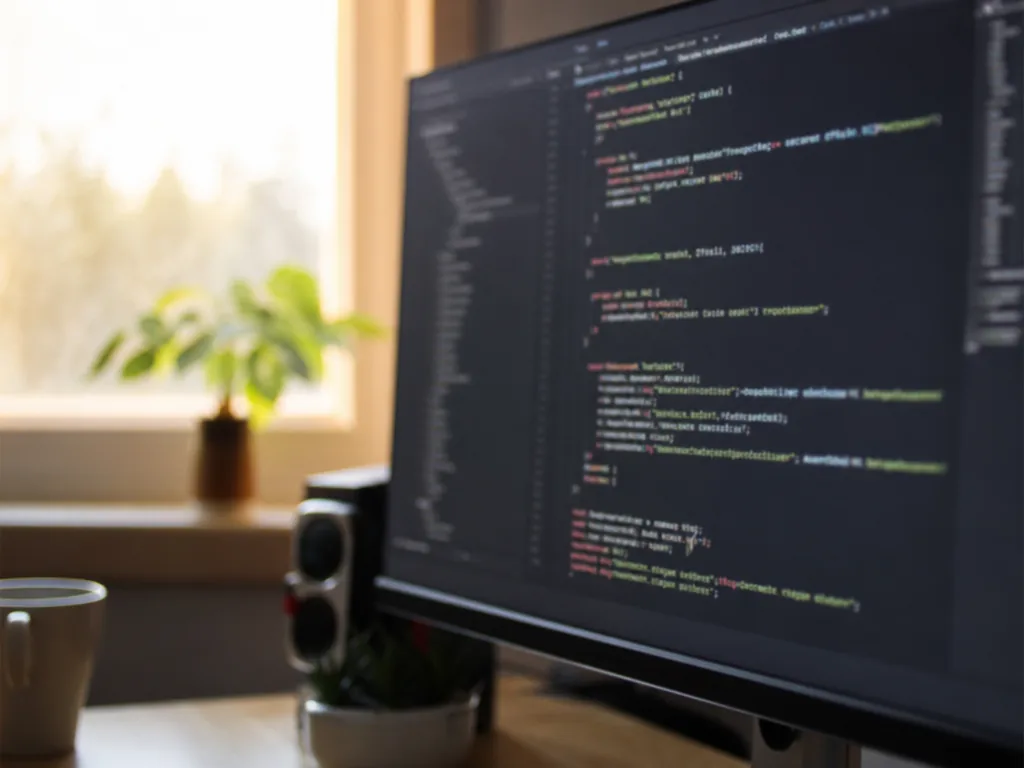
PHP’s Background and Development
In this detailed explanation, we’ll delve into PHP’s history, features, uses, and place in modern web development.
The Origin of PHP
PHP was first created by Rasmus Lerdorf in 1994 as a simple tool for tracking visitor traffic, initially called “Personal Home Page Tools.” However, as its functionality expanded, PHP became increasingly powerful, and its first official version was released in 1995. In 1997, PHP 3.0 was released, a complete rewrite of PHP, making it a more powerful scripting language suitable for web development.
The Development of PHP
Since then, PHP has undergone several major updates and improvements, gradually evolving into the current PHP 7.x and PHP 8.x series, which have significantly improved performance and syntax. PHP 4.0 and PHP 5.0 are two key versions in PHP’s development. PHP 5 introduced many new features, such as support for object-oriented programming (OOP), SOAP, and the MySQLi extension, making PHP a more comprehensive programming language. With the release of PHP 7, PHP’s performance has been significantly improved, and its memory usage is more efficient, making it an indispensable technology for modern web applications.
“PHP remains one of the most commonly used programming languages in web development today.”
Key Features of PHP
Server-side scripting language
PHP is a server-side scripting language, which means that its code is executed on the server and its output (usually in HTML or JSON format) is sent to the user’s browser. During this process, the user does not directly see the PHP code, only the processed output.
Open source and free
PHP is completely open source, meaning its source code can be freely accessed, modified, and distributed. This allows developers to customize PHP to their needs without paying additional licensing fees. Furthermore, PHP has a strong community of developers who continuously support, extend, and improve its functionality.
High efficiency
PHP is known for its high performance, especially when processing web requests. With the release of PHP 7, PHP’s performance has been significantly improved, allowing websites to respond to user requests more quickly and handle a large number of concurrent requests, which is especially important for high-traffic websites.
Cross-platform support
PHP is cross-platform, meaning it runs on a variety of operating systems, including mainstream systems like Windows, macOS, and Linux. Whether you’re working in a development environment or a production environment, you can easily run PHP code.
Good integration with databases
PHP supports a variety of databases, especially integrating smoothly with open-source database systems like MySQL and MariaDB. PHP offers a variety of database extensions and APIs, such as PDO (PHP Data Objects) and MySQLi, making database operations like querying, inserting, updating, and deleting data easy.
Object-oriented programming (OOP) support
PHP has fully supported object-oriented programming since version 5. It supports basic object-oriented concepts such as classes, inheritance, polymorphism, and encapsulation, enabling developers to write more scalable and maintainable code.
Rich extension libraries and frameworks
PHP has a large number of third-party libraries and frameworks that can speed up the development process and improve code quality. Common PHP frameworks include:
- Laravel——A very popular and powerful PHP framework for developing modern web applications.
- Symfony——A flexible and extensible framework designed for large applications.
- CodeIgniter——A lightweight and efficient PHP framework that is very suitable for small application development.
- Zend Framework——An enterprise-level framework for building highly scalable web applications.
Strong community and support
PHP has a large global developer community. Developers can find extensive technical support and learning materials on forums, GitHub, Stack Overflow, and other resources. PHP also has extensive documentation, and there are many open source projects to help developers get started quickly.
Common Uses of PHP
Dynamic website development
PHP is one of the preferred languages for developing dynamic websites and web applications. Whether building a simple personal blog or a complex business website, PHP efficiently handles back-end logic. PHP can generate dynamic HTML pages and automatically update page content based on user input and demand.
Content Management System (CMS)
Many popular content management systems (CMS) are developed based on PHP, such as WordPress, Drupal, and Joomla. These platforms allow users to create and manage websites in a simple way and can be extended with many different functions.
E-commerce platforms
PHP is also widely used in e-commerce website development. Well-known PHP-powered e-commerce platforms include Magento, OpenCart, and PrestaShop. These platforms offer many built-in features, such as product management, payment system integration, and order processing.
Web API development
PHP can be used to develop RESTful APIs and other web services, and can interact with various front-end technologies such as JavaScript and AJAX. This makes PHP an ideal choice for developing single-page applications (SPAs) and mobile application backends.
Social networks and forums
PHP is also widely used to develop social networking platforms, forums, and chat rooms. Many social media platforms and instant messaging applications use PHP as the backend technology.

Advantages of PHP
Easy to learn
PHP has a simple syntax design, similar to C, and is easy to learn. For those who are just starting to learn web development, PHP is a very suitable language because it has a wealth of learning resources and a large number of example codes.
Rapid development
PHP allows for quick coding, and its good integration with various libraries allows developers to quickly build feature-rich, dynamic websites.
Wide range of application scenarios
PHP is widely used in various web development fields, including content management systems, e-commerce, social networks, blogging platforms, online games, etc.
Strong ecosystem
PHP has a huge community and a large number of frameworks, libraries, plug-ins and tools that can help developers improve development efficiency and reduce repetitive work.
Conclusion
PHP is an efficient, flexible, and powerful server-side scripting language, holding an irreplaceable position in web development. It’s easy to learn, fast to develop, and boasts powerful database integration capabilities and extensive support for third-party tools. Whether building a small website or a large, complex web application, PHP provides robust backend support. With its vast developer community and abundant resources, learning and using PHP can help developers quickly address various web development challenges.
Frequently Asked Questions (FAQ)
Q: Is PHP still relevant in modern web development?
Yes — PHP remains one of the most widely used server-side languages. It powers major platforms including WordPress and continues to receive active updates through the PHP 8.x series, which improve performance and syntax.
Q: Is PHP difficult for a beginner to learn?
No. PHP’s syntax is simple and similar to C, and it offers a wealth of learning resources and example code, making it one of the most approachable entry points into web development.
Q: What can I build with PHP?
You can build dynamic websites, content management systems, e-commerce stores, RESTful APIs, social platforms, forums and more — from a simple personal blog to a large, complex web application.
Q: Which database does PHP work best with?
PHP integrates smoothly with MySQL and MariaDB, and offers database extensions and APIs such as PDO and MySQLi, making operations like querying, inserting, updating and deleting data straightforward.
Further Resources & Next Steps
- Official Resources——The official PHP website and manual at php.net, the authoritative reference for syntax, functions and updates.
- Further Reading——“PHP & MySQL: Server-side Web Development” by Jon Duckett, a beginner-friendly guide to building dynamic sites.
- Parent Tips——Set up a local environment such as XAMPP or MAMP so young learners can experiment with PHP safely on their own computer before publishing anything live.
Note: The information above is for reference only. Please consult professional education institutions for details.
This article was initially drafted and organised with AI. Editor / Professor Chan Kwok-wai; Managing Editor / Kong Yee-leung
Act Now: Find a Tutor / Register as a Tutor
For parents & students: looking for a home or online tutor for this subject? Click the button below to post a free tuition case (subject, level and preferred time) — TutorZone will match you with suitable tutors:
For tutors: do you teach this subject? Click the button below to register for free and receive more suitable cases — you pay only when a match is made: