 Chinese (Traditional)
 Chinese (Simplified)
 English


IB Biology SL – Course Overview, Assessment, and Who It’s For
TUTORZONE SUBJECT GUIDE · IB
IB Biology SL (Standard Level) is a two-year course in the International Baccalaureate Diploma Programme that builds a strong foundation in the life sciences — from cell biology to human physiology — without the heavier demands of Higher Level study.
Direct Answer:What is IB Biology SL?
A two-year IB Diploma Standard Level course that builds a strong foundation in life sciences, from cell biology to human physiology, with hands-on 。
What Is IB Biology SL?
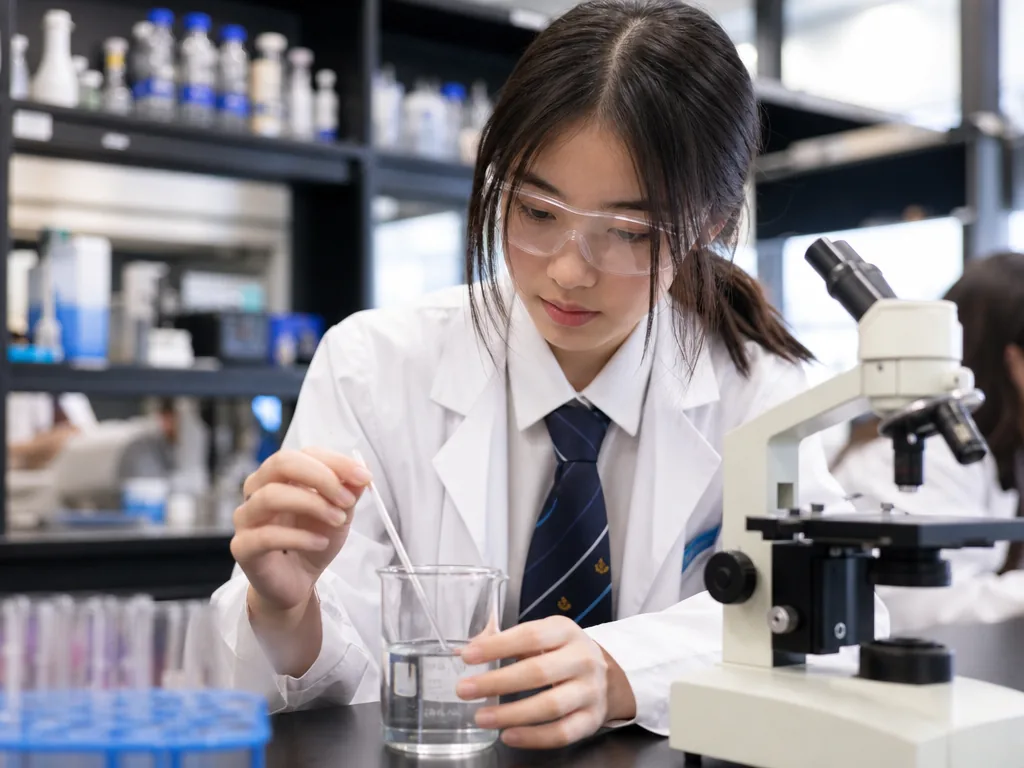
IB Biology SL (Standard Level) is part of the International Baccalaureate (IB) Diploma Programme. Spanning two years, this course is ideal for students interested in life sciences but who may not wish to specialise in biology at a higher level. It provides a strong foundation in key biological concepts, scientific investigation, and global environmental awareness.
IB Biology SL introduces students to essential topics in biological science through a mix of theoretical study and hands-on experimentation. It emphasises scientific inquiry, data analysis, and understanding of biological systems and processes. The course also encourages international-mindedness by addressing global issues like climate change and public health.
IB Biology SL Course Structure
The core curriculum includes six major topics:
1. Cell Biology
- Cell structure and function——the organisation of cells and their components.
- Membrane transport——how substances move across cell membranes.
- Cell division——mitosis, the cell cycle and reproduction.
2. Molecular Biology
- Metabolism and enzymes——the chemical reactions that sustain life.
- DNA structure and replication——how genetic information is stored and copied.
- Transcription and translation——how DNA directs protein synthesis.
3. Genetics
- Mendelian inheritance——patterns of inheritance and heredity.
- Gene linkage and mutations——how genes are inherited together and how changes arise.
- Genetic engineering and biotechnology——manipulating DNA for practical applications.
4. Ecology
- Species, communities, and ecosystems——how living things interact.
- Energy flow in food chains——how energy moves through an ecosystem.
- Carbon cycling and sustainability——the global carbon cycle and environmental stewardship.
5. Evolution and Biodiversity
- Natural selection and speciation——how species change and new species form.
- Phylogenetic classification——organising life by evolutionary relationships.
- Conservation of biodiversity——protecting the variety of life on Earth.
6. Human Physiology
- Digestive and circulatory systems——how the body processes and transports nutrients.
- Immune response——how the body defends itself against disease.
- Respiratory system——how the body takes in oxygen and removes carbon dioxide.
Assessment Structure
IB Biology SL students are evaluated through internal and external assessments:
Internal Assessment (IA) — 20% of Final Grade
Students design and conduct an independent experiment and submit a written report (6–12 pages). This assesses their ability to apply the scientific method, analyse data, and communicate findings effectively.
External Assessments — 80% of Final Grade
- Paper 1 (20%)——30 multiple-choice questions (45 minutes).
- Paper 2 (32%)——data-based questions, short-answer, and extended-response (1 hour 15 minutes).
- Paper 3 (28%)——experimental skills and one optional topic (1 hour).
Key Features of the Course
- Inquiry-Based Learning——focus on designing experiments and understanding the scientific method.
- Real-World Relevance——exploration of global biological issues such as climate change and disease.
- Interdisciplinary Links——integration with chemistry, physics, and mathematics.
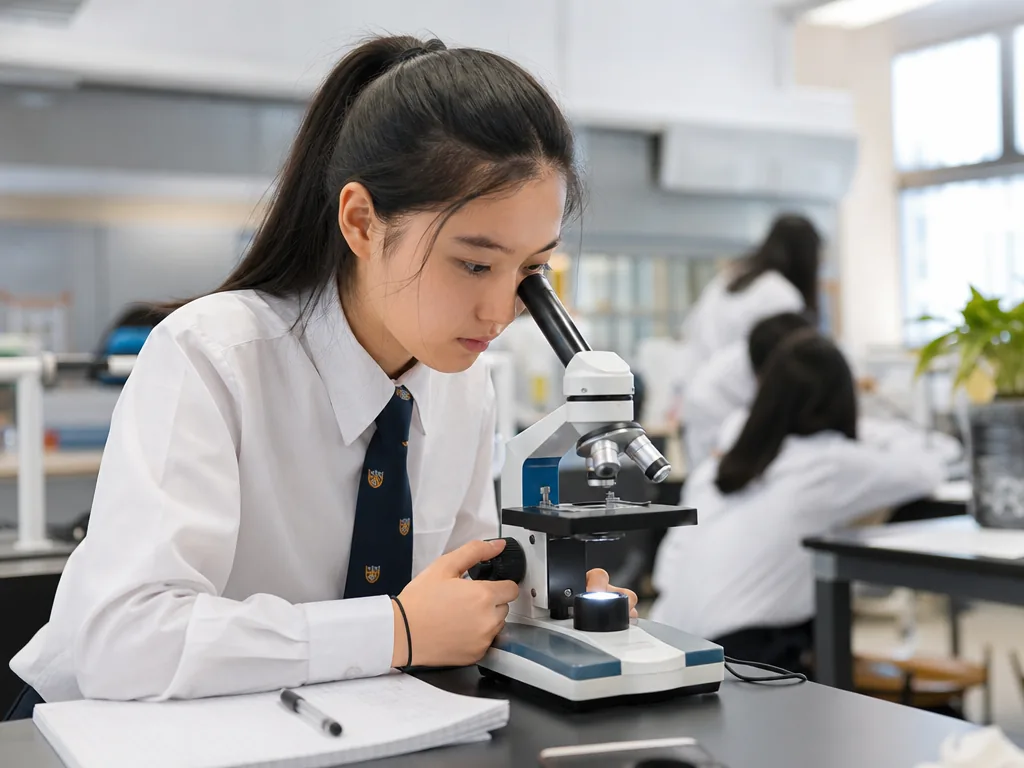
- Technology Integration——use of scientific tools such as microscopes and data loggers.
Who Should Take IB Biology SL?
This course is ideal for students who:
- Want a solid foundation in biology without specialising.
- Plan to keep their university and career options open.
- Have a general interest in life sciences but prefer a less intensive study than HL.
IB Biology SL vs HL: What’s the Difference?
| Feature | SL | HL |
|---|---|---|
| Teaching Hours | 150 hours | 240 hours |
| Depth of Content | Standard | In-depth |
| Optional Topics | 1 topic | 2 topics |
| Exam Difficulty | Lower | Higher |
Final Thoughts
IB Biology SL is a well-rounded and accessible course that helps students develop scientific literacy, critical thinking, and an appreciation for the biological world. Whether you’re preparing for university studies in health, environmental science, or simply want to explore life sciences, this course offers valuable knowledge and transferable skills.
A well-rounded and accessible course that develops scientific literacy, critical thinking, and an appreciation for the biological world.
Frequently Asked Questions (FAQ)
Q: Is IB Biology SL suitable for students who don’t plan to study biology at university?
Yes — it provides a solid, well-rounded foundation in the life sciences without the intensive depth of HL, making it ideal for keeping university and career options open.
Q: How much of the final grade comes from coursework?
The Internal Assessment (IA) contributes 20%, while external exams make up the remaining 80% across three papers.
Q: What is the main difference between IB Biology SL and HL?
SL requires 150 teaching hours and one optional topic, whereas HL requires 240 teaching hours and two optional topics, with more in-depth content and a higher exam difficulty.
Q: What skills will my child develop in IB Biology SL?
Scientific literacy, critical thinking, experimental design, data analysis, and an appreciation of global biological issues such as climate change and public health.
Further Resources & Next Steps
- Official Resources——the official International Baccalaureate (IB) website for the most up-to-date syllabus, as course details may vary.
- Further Reading——the IB Biology subject guide, plus past-paper resources for Paper 1, 2 and 3 practice.
- Parent Tips——encourage regular review of lab reports and past-paper practice, and discuss real-world biology in the news to build lasting interest.
Note: The information above is for reference only. Please consult professional education institutions for details.
This article was initially drafted and organised with AI. Editor / Professor Chan Kwok-wai; Managing Editor / Kong Yee-leung
Act Now: Find a Tutor / Register as a Tutor
For parents & students: looking for a home or online tutor for this subject? Click the button below to post a free tuition case (subject, level and preferred time) — TutorZone will match you with suitable tutors:
For tutors: do you teach this subject? Click the button below to register for free and receive more suitable cases — you pay only when a match is made: