
 Chinese (Traditional)
 Chinese (Simplified)
 English



In-Depth Guide to IGCSE Biology | Course Content, Exam Structure & Study Tips
TUTORZONE SUBJECT GUIDE · IGCSE
IGCSE Biology is a core Cambridge science subject for students aged 14–16, spanning cells, genetics, ecosystems and human physiology. This guide walks through the syllabus, exam structure and proven study strategies — including how to decide between Core and Extended.
Direct Answer:What does IGCSE Biology cover?
A core Cambridge science subject for 14–16, covering cells, genetics, ecosystems and human physiology, with Core and Extended paths.
What Is IGCSE Biology?
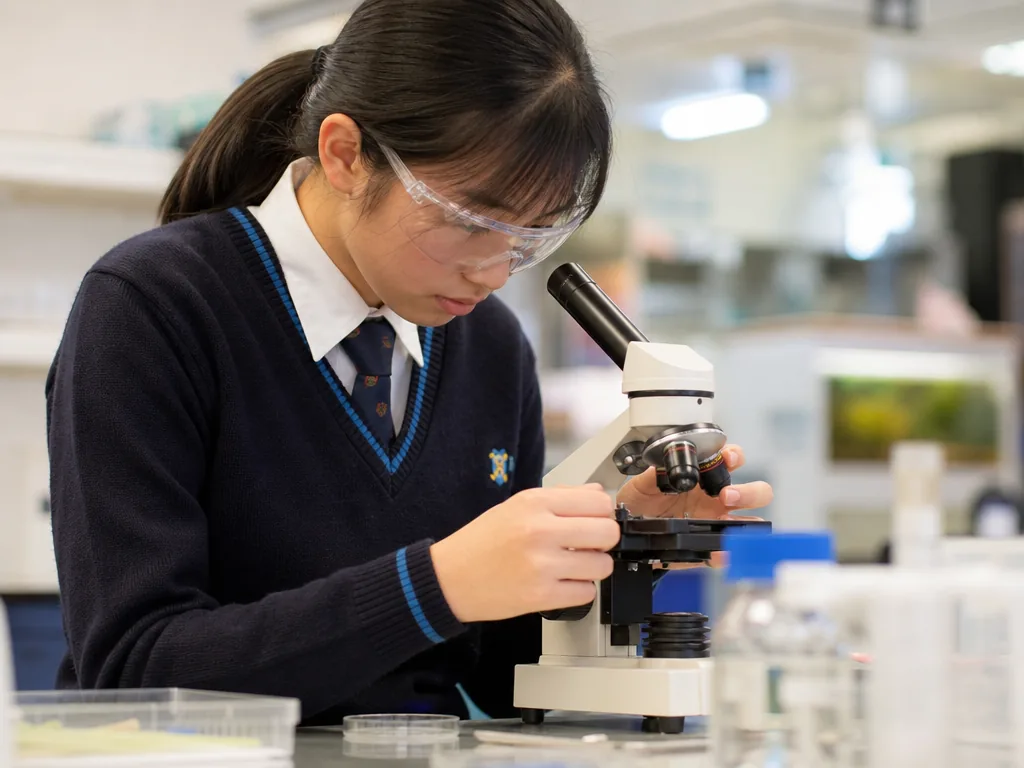
IGCSE Biology is a core subject offered by Cambridge Assessment International Education (CAIE), designed for students aged 14 to 16 worldwide. This course focuses on understanding life processes, covering essential biology topics such as cells, ecosystems, genetics, and physiological mechanisms. It provides a solid foundation for further study in A-Level or IB Biology.
IGCSE Biology teaches students about the living world, including human anatomy and function, plant growth, microorganisms, and environmental interactions. Through practical experiments and analysis, students develop scientific skills like observation, hypothesis formulation, analysis, and evaluation.
The Living World
Human anatomy and function, plant growth, microorganisms and environmental interactions.
Scientific Skills
Observation, hypothesis formulation, analysis and evaluation, developed through practical experiments.
Two Levels
A choice of Core or Extended level, so you can match your ability and academic goals.
Core vs Extended Levels
The course offers Core and Extended levels, allowing students to select based on their ability and academic goals.
| Aspect | Core Level | Extended Level |
|---|---|---|
| Difficulty | Suitable for intermediate students | Includes all Core topics + advanced concepts |
| Grading Range | C to G | A* to E |
| Academic Purpose | For general vocational or diploma courses | Recommended for A-Level or IB Biology |
| Content Coverage | Basic concepts and skills | Deeper understanding and complex questions |
Course Content Overview (Cambridge IGCSE 0610 Example)
IGCSE Biology covers twelve main topics:
- Characteristics of Living Organisms
- Cells and Microscopy
- Biological Molecules (enzymes, water, carbohydrates, lipids, proteins)
- Movement In and Out of Cells (diffusion, osmosis, active transport)
- Plant Nutrition (photosynthesis, mineral uptake)
- Human Nutrition (digestive system, diet, nutrients)
- Transport Systems (plant vascular system, human circulatory system)
- Respiration and Gas Exchange (aerobic & anaerobic respiration)
- Coordination and Response (nervous and endocrine systems, senses)
- Reproduction (plant & human reproductive systems, inheritance)
- Ecology and Environment (food chains, ecosystems, environmental issues)
- Biotechnology and Genetic Engineering (Extended only: GM technology, applied biology)

Exam Structure and Grading
| Paper Type | Core Papers | Extended Papers |
|---|---|---|
| Paper 1 | Multiple Choice (45 mins, 40 marks) | Paper 2: Multiple Choice (45 mins, 40 marks) |
| Paper 3 | Structured and short answer (1 hr 15 mins, 80 marks) | Paper 4: Advanced structured questions (1 hr 15 mins, 80 marks) |
| Paper 5 or 6 | Paper 5: Practical exam (1 hr 15 mins) or Paper 6: Alternative to practical (1 hr) | Same as Core |
- Three papers——Students sit three papers in total.
- Practical or alternative——Paper 5 or 6 depends on whether practical lessons are offered.
- Combined grade——The final grade is based on combined scores from all papers.
Progression and Career Relevance
IGCSE Biology is internationally recognized and suitable for students aiming for:
- Medicine, Dentistry, Pharmacy, Nursing
- Environmental Science and Ecology
- Biotechnology and Bioengineering
- Psychology and Neuroscience
Recommended for those pursuing A-Level or IB Biology.
Accepted by universities in UK, US, Australia, Canada, and more.
Study Tips and Preparation Advice
Effective Learning Strategies
- Review topics weekly by theme (e.g., Cell Biology, Genetics)
- Use visual aids such as diagrams of cell structures and circulatory pathways
- Practice experimental design and data analysis, especially for practical exams
- Utilize additional resources like BBC Bitesize and biology video tutorials
Recommended Resources
- Cambridge IGCSE Biology Coursebook (Official Textbook)
- Past Exam Papers
- Online revision sites: S-cool, Save My Exams, IGCSE Centre
- YouTube channels: FuseSchool, CrashCourse Biology
Who Should Choose Biology?
| Student Profile | Recommendation |
|---|---|
| Interested in biology, human body, or environment | Highly recommended |
| Planning to study medicine or science at university | Essential |
| Enjoys hands-on experiments and observations | Suitable |
| Struggles with memorizing terminology and mechanisms | Consider other subjects |
Expert Exam Tips
- Topic checklist——Build a comprehensive topic checklist and focused notes.
- Integrated practice——Practice integrated questions combining multiple biology themes.
- Experimental methods——Strengthen understanding of experimental methods and variable controls.
- Aim for A/A*——To aim for top grades (A/A*), take the Extended course and master advanced question types.
Frequently Asked Questions (FAQ)
Q: Is IGCSE Biology difficult?
It is challenging but very manageable with consistent study. The Core level is accessible for most students, while Extended adds deeper concepts. Focus on understanding terminology and mechanisms, then practice applying them to past-paper questions.
Q: Should I take Core or Extended level?
Choose Extended if you are aiming for A-Level or IB Biology and top grades (A* to E); choose Core if you are targeting C to G grades or a more general vocational or diploma route. Your school or tutor can help you decide.
Q: How many exam papers do students sit?
Three papers in total: a multiple-choice paper, a structured/short-answer paper, and either a practical exam (Paper 5) or an alternative-to-practical paper (Paper 6), depending on whether practical lessons are offered.
Q: What resources should I use to prepare?
Use the Cambridge IGCSE Biology Coursebook, past exam papers, and online sites such as Save My Exams, BBC Bitesize and S-cool. Video channels like FuseSchool and CrashCourse Biology are excellent for visual reinforcement.
Further Resources & Next Steps
- Official Resources——Cambridge Assessment International Education (CAIE) syllabus, specifications and past papers.
- Further Reading——Cambridge IGCSE Biology Coursebook, the official textbook for the course.
- Parent Tips——Encourage weekly themed revision and hands-on observation at home, and support regular practice with past papers.
Note: The information above is for reference only. Please consult professional education institutions for details.
This article was initially drafted and organised with AI. Editor / Professor Chan Kwok-wai; Managing Editor / Kong Yee-leung
Act Now: Find a Tutor / Register as a Tutor
For parents & students: looking for a home or online tutor for this subject? Click the button below to post a free tuition case (subject, level and preferred time) — TutorZone will match you with suitable tutors:
For tutors: do you teach this subject? Click the button below to register for free and receive more suitable cases — you pay only when a match is made: