
 Chinese (Traditional)
 Chinese (Simplified)
 English



What are HTML5 and CSS?
TUTORZONE SUBJECT GUIDE · COMPUTER
HTML5 and CSS are the two essential building blocks of every modern website — one gives a page its structure and meaning, the other its style and polish. This guide explains what each language does, how they work together, and why every aspiring web designer and front-end developer should master them.
Direct Answer:What are HTML5 and CSS?
HTML5 gives structure and meaning to web pages; CSS gives style and polish; both are essential for modern websites.
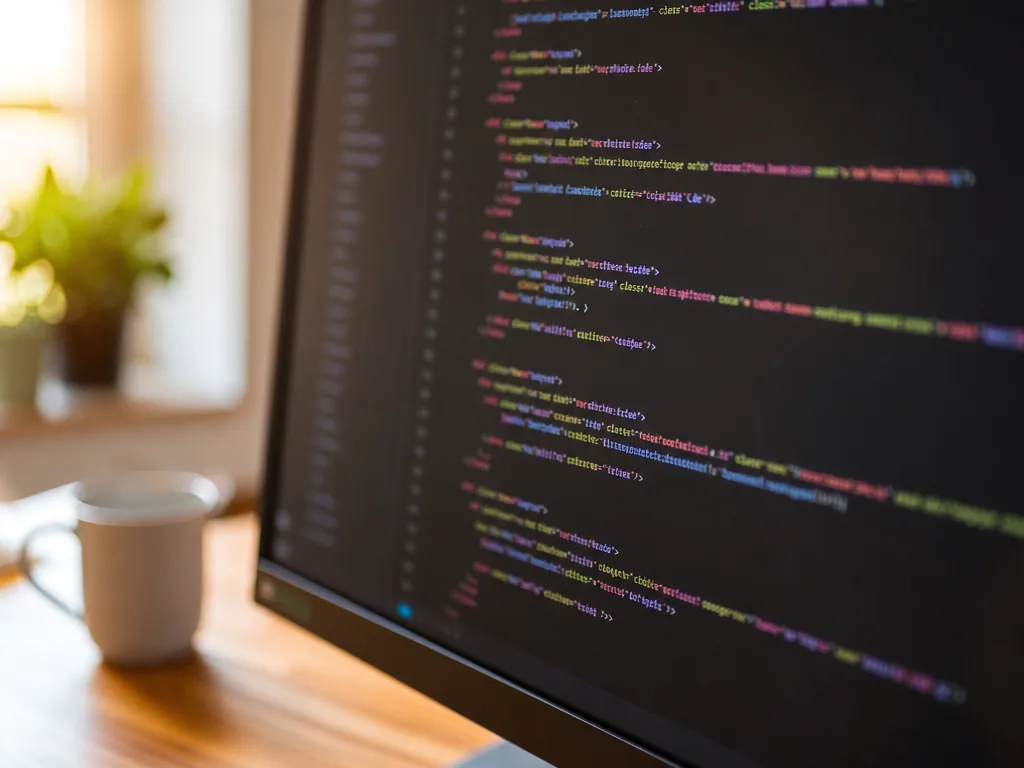
What Is HTML5?
HTML5 — the full name of which is HyperText Markup Language 5 — is the fifth-generation standard of HTML (Hypertext Markup Language). It is jointly promoted and developed by the World Wide Web Consortium (W3C) and WHATWG (the Web Hypertext Application Technology Working Group).
The main function of HTML5 is to structure web page content — that is, to define the various elements of a website, such as titles, paragraphs, pictures, videos, tables, links and more.
Key Features of HTML5
HTML5 introduced a number of powerful capabilities that make modern web pages richer and more accessible. Here are its most important features:
New semantic tags
Tags like <header>, <footer>, <article>, <section> and <nav> make the page structure more meaningful, which helps SEO optimisation and readability.
Multimedia support
Native <audio> and <video> tags let you embed music and videos directly, with no plug-ins required.
Enhanced forms
New form control types such as <date>, <email> and <url> provide more powerful built-in validation for web forms.
Canvas and SVG drawing
By combining the <canvas> element with JavaScript, you can dynamically draw 2D graphics, games or data visualisations.
Local storage (Web Storage)
localStorage and sessionStorage let websites store data on the user side, replacing the previous cookie approach.
Cross-platform & device support
HTML5 is especially optimised for mobile devices such as phones and tablets, giving responsive design stronger support.
What Is CSS?
CSS, whose full name is Cascading Style Sheets, is a language used to control the appearance of HTML files.
HTML is responsible for “content” and “structure”, while CSS is responsible for “design” and “beautification”.
Using CSS, you can easily set the visual details of a web page, such as fonts, colours, layout, margins, animation effects and more.
The Main Functions of CSS
- Style and layout control——Set the font, background, border, margin and padding of elements.
- Layout——Use technologies such as Flexbox and Grid to achieve adaptive, responsive web design.
- Media queries——Dynamically change the site’s layout and style based on a device’s screen size or resolution to enhance the user experience.
- Animation and transition——Use CSS Animation or Transition to create smooth dynamic effects and enhance interactivity.
- Variables and modularisation——CSS supports custom variables (Custom Properties), which improve the maintainability and consistency of large-scale website development.
How HTML5 and CSS Work Together
HTML5 is responsible for defining “what content is on a website”, while CSS is responsible for defining how that content should be presented. The two work together to ensure that a website is not only complete in content, but also has a beautiful layout and a smooth user experience.
For example, the title of an article on a website is marked with an HTML <h1> tag, while its font size, colour and spacing are all set by CSS.

Why Learn HTML5 and CSS?
These two languages are far more than a first step into coding — they are the foundation every serious web builder relies on. Here is why they matter:
The foundation of website building
Whether it is a simple personal website or a large e-commerce platform, HTML5 and CSS are indispensable.
SEO optimisation
Using correct HTML semantic tags makes it easier for search engines to understand your content and improve rankings.
Better user experience
Good CSS design helps a website load quickly, stay clearly laid out and feel smooth to use, improving retention and conversion rates.
The cornerstone of front-end technology
To learn advanced front-end technologies such as JavaScript, React and Vue, a solid grounding in HTML5 and CSS is essential.
Summary
HTML5 and CSS are the soul of modern website development — neither of which can be achieved without them. Mastering them not only lets you create visually appealing and clearly structured websites, but also lays a solid foundation for learning more complex front-end frameworks. Whether you plan to build your own website, become a front-end developer, or improve your SEO, a deep understanding of HTML5 and CSS is a skill worth investing in.
Frequently Asked Questions (FAQ)
Q: Do I need to learn HTML5 before CSS?
Not strictly, but it helps to learn them together. HTML5 gives a page its structure and CSS styles that structure, so understanding how the two connect makes both easier to learn.
Q: Are HTML5 and CSS programming languages?
No — they are markup and style sheet languages. HTML5 describes content and CSS describes presentation; neither performs logic the way a language such as JavaScript does. They are usually the first step before learning a full programming language.
Q: How long does it take to learn HTML5 and CSS?
Most beginners can build a simple static web page within a few weeks of consistent practice. Reaching a professional front-end level takes longer, especially once you add JavaScript, responsive design and real projects.
Q: Do I need special software to write HTML5 and CSS?
No. You only need a plain text editor (such as VS Code) and a web browser. You can write and preview your pages locally without buying any tools.
Further Resources & Next Steps
- Official resources——The World Wide Web Consortium (W3C) and MDN Web Docs (developer.mozilla.org) are the best places for the latest HTML5 and CSS specifications and tutorials.
- Further reading——“HTML & CSS: Design and Build Websites” by Jon Duckett is a widely recommended beginner book that pairs well with hands-on practice.
- Parent tips——Encourage your child to build a simple personal page first; small, visible wins keep motivation high before moving on to JavaScript.
Note: The information above is for reference only. Please consult professional education institutions for details.
This article was initially drafted and organised with AI. Editor / Professor Chan Kwok-wai; Managing Editor / Kong Yee-leung
Act Now: Find a Tutor / Register as a Tutor
For parents & students: looking for a home or online tutor for this subject? Click the button below to post a free tuition case (subject, level and preferred time) — TutorZone will match you with suitable tutors:
For tutors: do you teach this subject? Click the button below to register for free and receive more suitable cases — you pay only when a match is made: